

LEARN MORE ABOUT THE LOCAL MARKET.

Pet-Friendly Home Features Snohomish County Buyers Love
Discover pet-friendly home features buyers love in Snohomish County, from fenced yards and durable floors to dog wash stations and smart seller prep.
Buddy deserves great curb appeal too.
Pet-friendly homes are no longer just about having a patch of grass or a leash hook by the door. For many Snohomish County buyers, the best pet-friendly home features are practical ones: secure yards, durable flooring, smart storage, and easy-clean spaces that make everyday life with pets simpler.
That matters in today’s market. National Association of REALTORS® research shows that many households factor pets into housing decisions, from neighborhood choice to home layout. Locally, in a competitive Snohomish County real estate market, thoughtful pet-friendly upgrades can help a home feel more functional, cared for, and memorable.
Why Pet-Friendly Features Matter
Buyers with pets are often looking for more than square footage. They want a home that fits their daily routine.
A fenced yard, durable floors, and space for food, crates, litter, leashes, and muddy paws can make a home feel easier to live in from the first showing. These features are especially appealing in Snohomish County, where rainy weather makes mud control and easy-clean entry areas even more valuable.
Pet rules also matter. HOA communities, condos, and cities may have different guidelines for pet limits, fees, licensing, and outdoor enclosures. Buyers should always review local rules before making an offer.
Outdoor Pet-Friendly Features Buyers Notice
A secure fenced yard is still one of the biggest selling points for pet owners. It gives buyers peace of mind and helps them picture their pets safely enjoying the space.

Before listing, focus on outdoor features that feel clean, safe, and low-maintenance:
Secure fencing with a working gate
A tidy side yard or pet run
Easy-rinse walkways or pavers
A mud-control area near the entry
Storage for leashes, towels, and waste bags
Pet-safe landscaping
A catio or outdoor enclosure can also be a nice bonus, especially for cat owners, but the basics matter most. A clean, contained yard will appeal to the widest group of buyers.
Indoor Features Pet Owners Appreciate
Inside the home, durable flooring is one of the most valuable pet-friendly upgrades. Hard-surface floors are easier to clean than carpet and tend to hold up better against fur, claws, spills, and everyday wear.
Buyers also notice signs of pet damage quickly. Scratched doors, stained carpet, chewed trim, damaged screens, and scuffed baseboards can make a home feel less maintained than it really is.
Other indoor features buyers appreciate include:
Washable flooring in entryways and mudrooms
Built-in feeding stations
Hidden food storage
A designated litter box area
Space for crates or pet beds
A laundry room or mudroom with cleanup supplies nearby
A dog wash station can be a standout feature, especially in a laundry room, mudroom, or garage-entry area. But it does not need to be a major remodel. Simple, practical organization often has just as much impact.
Best Pet-Friendly Upgrades Before Selling
If you are preparing to sell your Snohomish County home, start with upgrades that remove buyer objections.
First, repair visible wear. Replace damaged screens, touch up trim, clean or replace stained carpet, and fix scratched doors or baseboards.
Next, clean for odor, not just appearance. Pet smells can be hard for homeowners to notice but very obvious to buyers. Professional cleaning, carpet cleaning, and odor removal can make a big difference before photos and showings.
Then, create a simple pet-friendly drop zone. A laundry room, garage entry, or mudroom with hooks, baskets, towels, and washable flooring helps buyers see how the home handles real life.
Finally, make the yard feel easy to maintain. Trim landscaping, clean up waste areas, repair fencing, and show off any secure outdoor space in listing photos.
Should Sellers Remove Pets During Showings?
Yes. Even buyers who love animals may be distracted by pets during a showing. Removing pets, food bowls, litter boxes, crates, and visible pet clutter helps buyers focus on the home instead of the household routine.
It also makes the home feel cleaner, calmer, and more neutral.
Pet-Friendly Features That Help Listings Stand Out
The most marketable pet-friendly home features are the ones that solve common problems without feeling too customized.
Strong selling points include:
Fenced backyard
Durable flooring
Mudroom or laundry room access
Dog wash station
Built-in feeding nook
Hidden storage for pet supplies
Easy-clean entryway
Pet-safe outdoor space
In Snohomish County, these features can help buyers picture a smoother move-in experience, especially if they already share their home with dogs, cats, or both.
FAQ: Pet-Friendly Homes in Snohomish County
What pet-friendly feature matters most to buyers?
A fenced yard is often the top priority. It gives pet owners safety, convenience, and usable outdoor space.
Are dog wash stations worth adding before selling?
They can be, especially if the setup already makes sense in a laundry room, mudroom, or garage. However, sellers should handle repairs, cleaning, flooring, and yard condition first.
Should I replace carpet before listing a pet-friendly home?
If the carpet is stained, damaged, or holding odor, replacing it or professionally cleaning it is usually worth considering. Buyers notice flooring quickly.
What should buyers ask about pets before making an offer?
Ask about HOA rules, pet limits, breed or size restrictions, monthly or annual pet fees, fencing rules, and local licensing requirements.
Thinking About Buying or Selling a Pet-Friendly Home?
Whether you are searching for a home with the perfect fenced yard or preparing to list a home that already works beautifully for pets, The Serviss Group can help you understand what Snohomish County buyers are looking for and how to market your home’s most valuable features.

What Is a Comparative Market Analysis?
Learn what a comparative market analysis is, how it works, and why it matters for buyers and sellers in Snohomish County, WA.
If you are trying to figure out what your home is worth, or what a home is really worth before making an offer, a comparative market analysis can be one of the most helpful tools available.
A comparative market analysis, or CMA, puts pricing into real market context. Instead of relying on guesswork, it looks at comparable homes, recent sales, current competition, and buyer activity. In Snohomish County, that matters. With limited inventory and strong prices, strategy still matters just as much as demand.
What a Comparative Market Analysis Means
A CMA is an estimate of a home’s market value based on similar properties in the same area that have recently sold, gone pending, or are currently listed.
For sellers, a CMA helps answer an important question: what price gives your home the best chance to attract serious buyers without leaving money on the table?
For buyers, it helps answer a different one: is the asking price in line with what the market is actually supporting?
It can also help homeowners who are still deciding whether to move by showing what today’s local market may mean for timing and next steps.
A CMA Is Not the Same as an Appraisal
This distinction matters.
A CMA is a pricing tool used to guide a listing price or an offer strategy. An appraisal is a separate, independent opinion of value, usually required by a lender during a purchase or refinance.
They both deal with value, but they serve different purposes.
How a CMA Works

A strong CMA compares your home to similar properties and adjusts for the details that influence price most, including:
Square footage and layout
Bedroom and bathroom count
Overall condition
Location and neighborhood appeal
Lot size, views, and special features
Upgrades, renovations, or needed repairs
Current market conditions and competition
That is why two homes with similar square footage can still have very different values. A remodeled kitchen, better lot, stronger curb appeal, or more favorable location can all shift the pricing strategy.
What a Strong CMA Should Include
A good CMA should do more than hand you a number. It should explain the reasoning behind the price range.
That usually includes:
A review of the subject property
Neighborhood and market context
Comparable sold, pending, and active listings
Local pricing trends
Adjustments for upgrades, condition, or location differences
A strong CMA should also reflect your goals. If you want to sell quickly, pricing may need to be more competitive. If you have more flexibility, your strategy may look different. That is why a CMA is not just a valuation tool. It is also a pricing strategy tool.
Why a CMA Matters in Snohomish County
Snohomish County real estate is not one-size-fits-all. Countywide trends matter, but buyers respond to the details of a specific home and neighborhood.
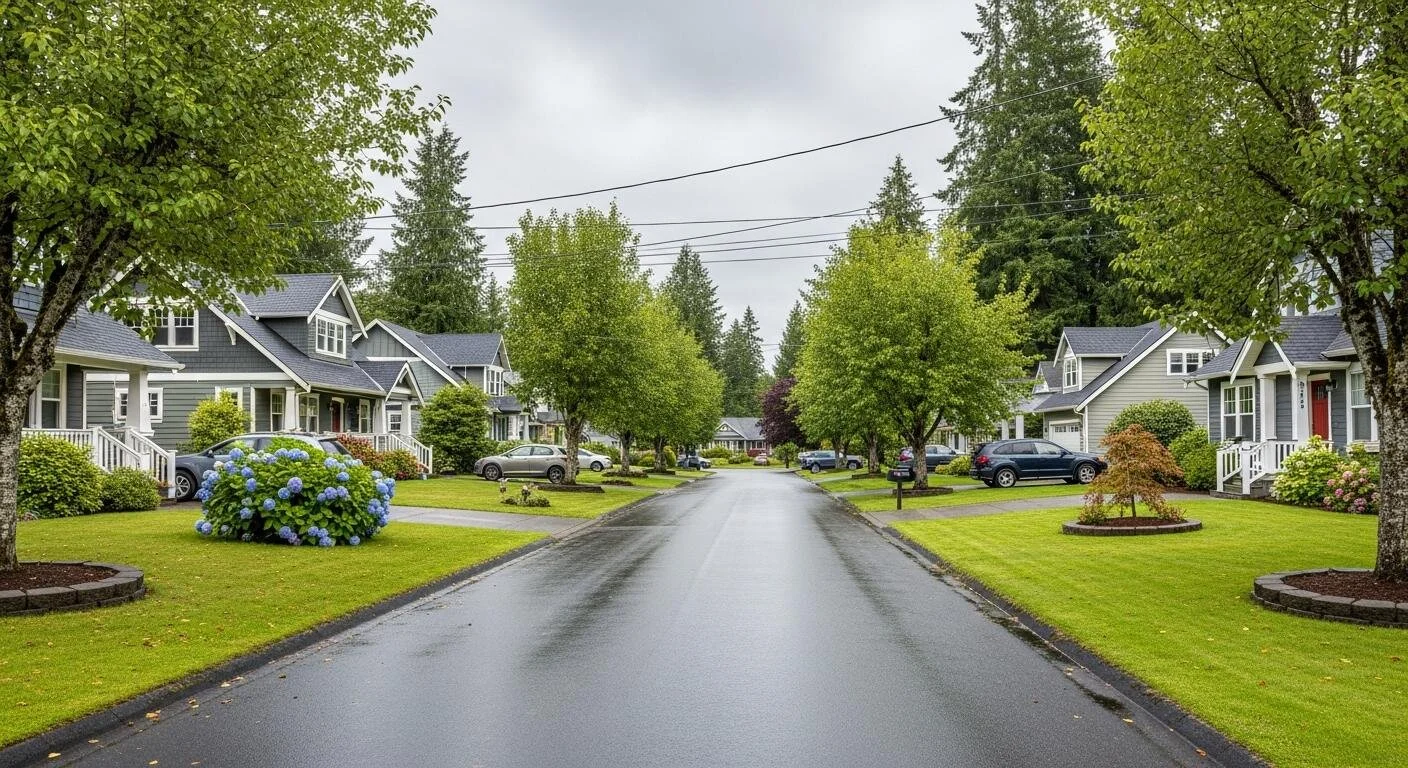
Condition, commute patterns, lot quality, nearby competition, and overall presentation can all influence how buyers react to the same price point. A CMA helps translate bigger market trends into a strategy for your specific property.
That is especially important in a market where buyers may have more options than they did a year ago, but inventory can still feel tight in the right price range or neighborhood. Pricing too high can cause buyers to hesitate. Pricing too low can leave leverage behind.
CMA vs. Appraisal vs. Assessed Value
Homeowners often hear three different numbers discussed:
Comparative Market Analysis
A CMA is typically prepared by a real estate professional to help determine a pricing strategy for a home sale or purchase.
Appraisal
An appraisal is an independent valuation, usually ordered by a lender to support financing.
Assessed Value
Your assessed value is used for property tax purposes. It may not reflect what buyers are willing to pay in today’s market.
That is why assessed value is not the same as market value, and why a CMA can be much more useful when you are making a real estate decision now.
Frequently Asked Questions
Is a comparative market analysis the same as an appraisal?
No. A CMA helps guide pricing strategy, while an appraisal is an independent valuation often required by a lender.
Does a CMA only use sold homes?
No. A strong CMA may include sold, pending, and active listings to show where the market has been and where it may be moving.
Can I use my assessed value instead of a CMA?
Not if your goal is to price your home for today’s market. Assessed value is for taxation and may not reflect current buyer behavior.
What happens if an appraisal comes in low?
A low appraisal can affect financing. Depending on the situation, buyers and sellers may renegotiate, the buyer may bring in more cash, or the transaction may not move forward.
Final Thought
A comparative market analysis helps you make smarter real estate decisions with real market data, not assumptions. Whether you are thinking about selling, buying, or simply planning your next move, the right CMA can give you a clearer picture of value and a better strategy for what comes next.