

LEARN MORE ABOUT THE LOCAL MARKET.

2026 Snohomish County Housing Outlook: What Buyers & Sellers Need to Know Now
Discover what’s driving the 2026 Snohomish housing market. See expert insights on interest rates, local trends, and how to buy or sell with confidence.
You’ve probably heard the buzz about the Snohomish County housing market as we head into 2026. Homeowners are curious if their equity will keep growing, buyers wonder if relief is in sight, and sellers want to know if demand is still on their side. In a nutshell, Snohomish County’s market is steady and resilient, even while other areas saw whiplash swings in recent years. This means your local real estate scene isn’t chasing headlines, it’s setting a sustainable pace that benefits both buyers and sellers. Let’s dive into what’s driving this market in 2026 so you know what it all means for your home journey in Snohomish County.
Snohomish County Housing Market Overview for 2026
As 2026 begins, Snohomish County’s housing market remains robust yet stabilizing. The median home price in the county hovers around the mid-$700,000s (approximately $735,000 as of late 2025), reflecting a slight cooling from recent highs. Homes are taking longer to sell, roughly four weeks on average. Translation? Buyers aren’t disappearing; they’re just taking a breath before making offers, and sellers are still clinching strong prices, just without the instant bidding wars.
Crucially, interest rates remain elevated compared to the ultra-low pandemic era. Rates spent much of 2025 in the 6–7% range, tempering price growth. The good news? Experts predict rates will gradually ease in 2026. Redfin forecasts only a 1% rise in home prices nationally, while incomes are expected to grow faster, a hopeful sign for improving affordability.
Key Drivers of the Snohomish Housing Market in 2026
Several forces are shaping today’s real estate landscape. Here’s what’s behind the current momentum:
High Demand Meets Limited Inventory: Snohomish County continues to experience strong buyer interest and a tight housing supply. Well-priced homes still attract multiple offers, especially in popular price ranges between $550K and $850K.
Job Growth and Economic Stability: Boeing, local health systems, and remote-work flexibility contribute to a healthy employment market that supports homebuying.
Migration from Seattle: With Snohomish home prices significantly lower than King County, families are moving north in search of greater value and space.
Light Rail Expansion: New Link light rail access to Lynnwood and other cities is driving transit-oriented growth, especially in south county.
Rate-Lock Effect: Many homeowners are staying put due to their low-interest mortgages, keeping resale inventory limited.
Local Spotlight: Snohomish’s Most Active Submarkets
Everett:
Everett continues to benefit from proximity to Boeing and downtown redevelopment. Median home prices are more attainable (low $600Ks), and homes sell quickly, often in under two weeks.
Lynnwood & Mukilteo:
Lynnwood is heating up thanks to the light rail connection and city center projects. Mukilteo remains a premium market due to its schools and waterfront appeal.
Mill Creek:
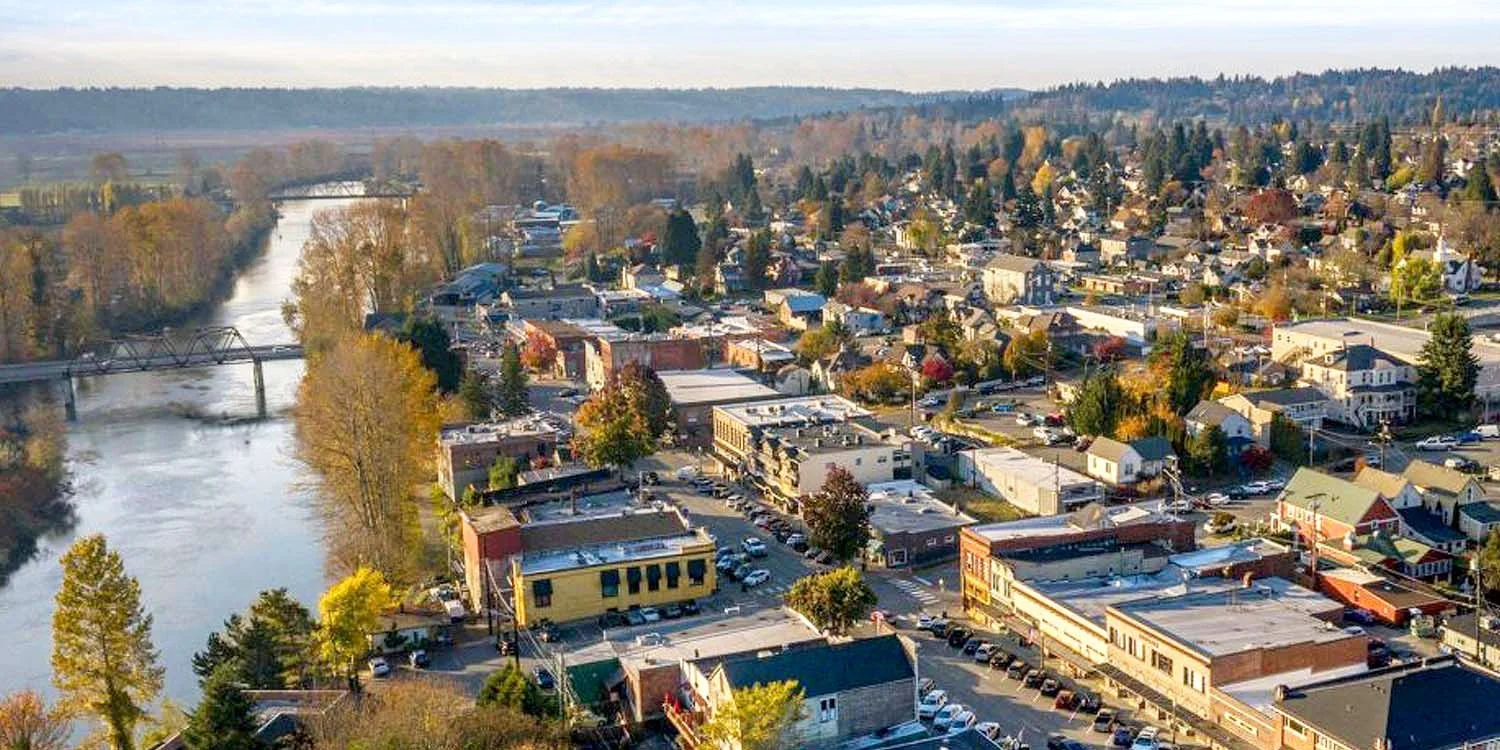
This suburb stands out for its planned neighborhoods, green spaces, and high-rated schools. Buyers seek turnkey homes; sellers can expect strong demand.
Monroe & Snohomish:
Located in East County, these cities offer affordability and a semi-rural lifestyle, making them attractive to Seattle-area transplants. Inventory is growing, but so is demand.
Market Trends for Snohomish Buyers in 2026
If you’re planning to buy a home in Snohomish County this year:
Good news: You’ll find more breathing room compared to past years, but the market is still competitive.
Challenges remain: Interest rates and price sensitivity mean you'll need to be strategic.
Buyer Tips for 2026:
Get Pre-Approved Early – It shows sellers you're serious.
Track New Listings Closely – Homes still move fast, especially in desirable school zones.
Negotiate on Stale Listings – Properties sitting for 3+ weeks may offer negotiation room.
Time Your Purchase – Winter and early spring might bring less competition.
Market Trends for Snohomish Sellers in 2026
If you're a homeowner considering selling, now’s a great time, as long as you plan wisely.
Seller Tips for 2026:
Price It Right from Day One: Buyers are savvy and won't chase overpriced homes.
Enhance Curb Appeal: First impressions matter. Even small updates can yield big returns.
Be Flexible in Negotiations: Expect buyers to ask for closing cost credits or repairs.
Market Strategically: Leverage online tools, professional photography, and local insights.

Want to know what your home could sell for? Get your Home Valuation today
FAQ: Snohomish Housing Market 2026
Q: Is it a buyer’s or seller’s market in Snohomish right now?
A: It's still a seller’s market, but with signs of slow rebalancing. Inventory remains tight, but buyers are gaining more leverage.
Q: Are home prices in Snohomish going up in 2026?
A: Experts predict only a slight increase in prices (around 1%), making it a potentially good year to buy or sell.
Q: What areas are most in demand?
A: Lynnwood, Everett, Mill Creek, and Mukilteo are seeing strong demand due to location and infrastructure improvements.
Q: How are interest rates influencing homebuyers?
A: Higher rates are limiting affordability, but creative financing and projected rate drops later this year may offer relief.
Q: When is the best time to list a home in Snohomish County?
A: Historically, March through June sees the highest buyer activity.
Ready to Move Forward in 2026?
Whether you're buying, selling, or planning for your next move, The Serviss Group is here to be your trusted real estate advisor in Snohomish County. We bring local insight, expert strategy, and warm guidance to every step of the process.
Explore our Listing Strategy or Request a Home Valuation to get started.
External Source: Snohomish County Planning and Development – for local growth, housing, and infrastructure updates.