
LEARN MORE ABOUT THE LOCAL MARKET.

Why Your Home's Assessed Value Differs from Market Value in WA

Why a home's assessed value can differ from its market value in Washington comes down to one structural reality: county assessors lock their valuations to January 1 using prior-year sales data and statistical mass-appraisal models, while the real estate market moves every single day. The assessed value is a backward-looking tax tool; market value is what a motivated buyer would pay you today. These two numbers serve completely different purposes, and confusing them is one of the most expensive mistakes homeowners and buyers make when thinking about pricing in Snohomish County.
At The Serviss Group, we hear this question regularly from homeowners who've just received a Change of Value Notice in the mail and are trying to reconcile the county's number with what homes down the street actually sold for. This article explains how the assessor process works, why the gap between assessed value and market value in Washington is often structural rather than an error, and what you should do if something in your property record genuinely looks wrong.
Key takeaways
January 1 valuation date: Washington law requires assessed values to reflect market conditions as of January 1, using prior-year sales data, so the number is already dated by the time you receive your notice.
Mass appraisal vs. individual analysis: County assessors value thousands of parcels using statistical models, not line-by-line comparable sales analysis, which means unique property features are often missed.
Three distinct terms: Market value, appraised value, and assessed value are related but not interchangeable; each serves a different legal and practical purpose.
Don't price from tax records: Using assessed value as a pricing anchor, whether you're buying or selling, can lead to real money left on the table or lost offers.
Appeal deadlines are strict: Washington's Board of Equalization and State Board of Tax Appeals operate on firm timelines; missing either deadline eliminates your right to challenge that year's value.
How Washington assessors actually calculate your home's assessed value
Washington law, specifically RCW 84.40.030, requires every property to be assessed at 100% of its "true and fair value in money," set as of January 1 of the assessment year. The assessor uses sales and market data available at that point, typically transactions from the prior year, to support the value assigned to your property. By the time you receive your notice in June or July, the market has often already moved in either direction.
The January 1 valuation date and what it really means
The date itself is the source of the most common divergence between your county record and what your home would fetch in today's market. Because the value is frozen at January 1 and calibrated to prior-year comparable sales, any price movement that happened after that snapshot is simply invisible to the assessor's model. In a fast-moving year, that gap can be substantial, sometimes representing a significant dollar difference above or below the assessed figure, depending on how quickly local prices have shifted.
New construction follows a slightly different schedule. Homes built during the year are assessed as of July 31 of the assessment year, and owners often receive a separate, later notice in the fall after the county adds the new construction to its roll. For everyone else, the January 1 anchor is the governing date.
Mass appraisal vs. an individual home appraisal
Counties must value thousands of parcels simultaneously, so they use statistical mass-appraisal models calibrated to groups of similar properties rather than conducting a separate, individualized analysis for each home. These models factor in location, square footage, lot size, age, condition, and build quality, but they apply averages across property clusters. A private fee appraisal, by contrast, selects a small set of directly comparable sales and adjusts each one for specific differences relative to your property.
Physical inspections of individual properties are required at least once every six years under Washington state standards. Between inspections, values are updated statistically using current sales and market trend data. This means your county record may reflect a physical inspection that happened several years ago, with annual updates applied through a model rather than someone walking through your front door.
What's the actual difference between assessed value, appraised value, and market value in Washington?
The three terms get used interchangeably in casual conversation, but they have distinct meanings in Washington real estate and property tax law. Mixing them up leads to real confusion about what your county notice actually tells you.
How Washington law defines each term
Market value, also called "fair market value" or "true and fair value" in Washington statutes, is the price a willing, non-obligated buyer would pay a willing, non-obligated seller under normal conditions. This is the legal valuation standard that governs the entire assessment system.
Appraised value is the estimate produced by applying recognized valuation methods (sales comparison, cost approach, or income approach) to arrive at that market value figure.
Assessed value is the number the assessor enters on the tax roll. Under RCW 84.40.030, it should equal market value, but legal exceptions exist, and they matter.
When assessed value is legally lower than market value
Washington offers several statutory programs that deliberately create a gap between assessed taxable value and actual market value. Senior citizen and disabled-person exemptions under RCW 84.36.381 can reduce taxable value significantly, with the lowest-income tier exempting the greater of $80,000 or 80% of the residence's assessed value. Current-use programs for farmland, forest land, and qualifying open space allow valuation based on the land's present use rather than its full development or market potential. These are intentional, legally authorized divergences, not errors in the assessor's records.
Why assessed value differs from market value in Washington, even without exemptions
Even without any exemptions or special programs, the gap between assessed value and actual sale price is built into the system. Understanding why helps you use the county number correctly without being misled by it.
The built-in market lag that's impossible to avoid
Because the value is frozen at January 1 and relies on prior-year comparable sales, a fast-moving market creates an immediate gap. In years when Snohomish County prices climbed quickly, assessed values consistently trailed actual sale prices by months or even a full year. The reverse holds equally true: if the market softens, your assessed value may sit above what a buyer would realistically offer, making the county number feel inflated relative to current conditions.
What mass appraisal models miss about your specific property
Statistical models work well for typical homes in neighborhoods with frequent sales activity, but they struggle with properties that fall outside the standard template. Waterfront access, view premiums, unusual lot configurations, historic construction, acreage, or significant deferred maintenance may all affect market price in ways the model doesn't fully capture. A property with an unpermitted addition, a failing septic system, or a material easement may be valued as if those factors simply don't exist.
Incorrect data on file compounds the problem. If the county has the wrong square footage, an unrecorded remodel, or a missing outbuilding in its records, the model is working from a flawed foundation. These are among the easiest errors to identify and correct, and finding them is the first step in any assessment review.
Other factors that widen the gap
Improvements or damage that occurred after January 1 won't affect that assessment year's value, even if they significantly change what a buyer would pay today. Rural and low-turnover areas face an additional challenge: limited comparable sales force the model to rely on less representative data, sometimes drawing from neighborhoods or property types that don't truly reflect the subject property. These are structural limitations of valuing every parcel in the county on the same annual cycle, not failures of the system itself.
Should you price your home, or make an offer, based on assessed value?
No. The assessed value reflects a January 1 snapshot built from last year's sales through a statistical model. It is not a current appraisal; it is not a market analysis; and it is not the number a lender will use to approve a buyer's mortgage.
Why tax records are the wrong starting point for pricing decisions
Sellers who price from their county assessment in a rising market leave money on the table. In a declining market, they risk overpricing and sitting while better-positioned listings sell around them. Buyers who anchor an offer to assessed value in a competitive environment often lose the house entirely, or they overpay when the market has corrected and the assessment hasn't caught up yet.
What actually determines market value right now
True market value comes from live, arm's-length comparable sales: properties similar in size, condition, location, and features that closed recently enough to reflect current market conditions. The Serviss Group pulls current MLS data daily across Snohomish and surrounding communities, comparing active listings, pending contracts, and recent closings to give clients a pricing picture that tax records cannot provide. For Snohomish specifically, the neighborhood micro-markets of Downtown, Three Lakes, Dutch Hill, and Fobes Hill often behave differently from one another, and a county-wide mass-appraisal model cannot capture those pricing dynamics the way someone working those streets every day can.
What should you do if your assessed value looks wrong?
Start with the source data before filing anything formal. Pull your property detail record directly from the Snohomish County Assessor's website, which publishes all parcel data online at no cost. Verify square footage, bedroom and bathroom count, lot size, recorded improvements, and the comparable sales the assessor used to support your value. Errors in the property record itself are the fastest fix and can often be corrected by contacting the assessor's office directly, bypassing the formal appeal process entirely.
Washington's appeal process and the deadlines you can't miss
If the data on file looks accurate but the value still seems wrong, the next step is a formal appeal to the county Board of Equalization (BOE). Washington's statewide rule requires you to file your Taxpayer Petition for Review by the later of July 1 of the assessment year or 30 days after the assessor mailed your Change of Value Notice. Snohomish County's procedure extends that to the later of July 1 or 60 calendar days after the notice's mailing date. For the October 2026 notices specifically, the county's published deadline is December 8, 2026, at 4:00 p.m. Pacific Time, with petitions accepted in person, by mail postmarked by that date, or by email to BOE@snoco.org timestamped before the cutoff.
Strong evidence for a BOE hearing includes:
Recent arm's-length comparable sales near the January 1 valuation date
An independent appraisal
Photographs documenting condition issues
Repair estimates for known defects
If the BOE denies relief, you have exactly 30 days from the date the BOE mailed its decision to file a Notice of Appeal with the Washington State Board of Tax Appeals at bta@bta.wa.gov. The BTA is explicit: that deadline cannot be extended, and late filings are not accepted.
The bottom line: why assessed value and market value diverge in Washington
The gap between your county assessed value and your home's actual market value in Washington is structural, not a mistake. The assessor's process is built around a January 1 snapshot and a mass-appraisal model that cannot keep pace with daily market movement, and that's by design. The assessed value exists to distribute the tax burden equitably across thousands of parcels; it was never meant to serve as a real-time pricing tool.
Using tax records as a pricing shortcut is a reliable way to get the number wrong, especially in Snohomish's micro-market neighborhoods where the difference between Downtown and Three Lakes isn't just geography. Each area carries its own buyer psychology, seasonal patterns, and price-per-square-foot dynamics that only show up in current MLS data.
If you're buying or selling in Snohomish County and want to understand what your home is actually worth right now, reach out to The Serviss Group. Our team provides comparable sales analysis grounded in live market data, not last year's county model, so you make your pricing or offer decision with the full picture in front of you.
Frequently Asked Questions
Will a lender use my assessed value to approve a buyer's mortgage?
No, a lender will not use the county assessed value to approve a mortgage. I state this directly because the assessed value is a January 1 snapshot and not a current appraisal or market analysis that lenders rely on.
How often does the county physically inspect properties for assessment purposes?
The county requires physical inspections at least once every six years. I point this out because between inspections the assessor updates values statistically rather than by walking through each home.
If I finish a renovation after January 1, will that change my assessed value for that year?
No, improvements or damage that occur after January 1 will not affect that assessment year's value. I explain this because the assessment is frozen at the January 1 valuation date and later changes become visible only in the following assessment cycle.
How can I check the property data the assessor used for my home's value?
You can pull your property detail record directly from the Snohomish County Assessor's website, which publishes parcel data online at no cost. I recommend verifying square footage, bedroom/bath counts, lot size, recorded improvements, and the comparable sales the assessor used before filing anything formal.

Where to Find Rural Homes in Snohomish County in 2026
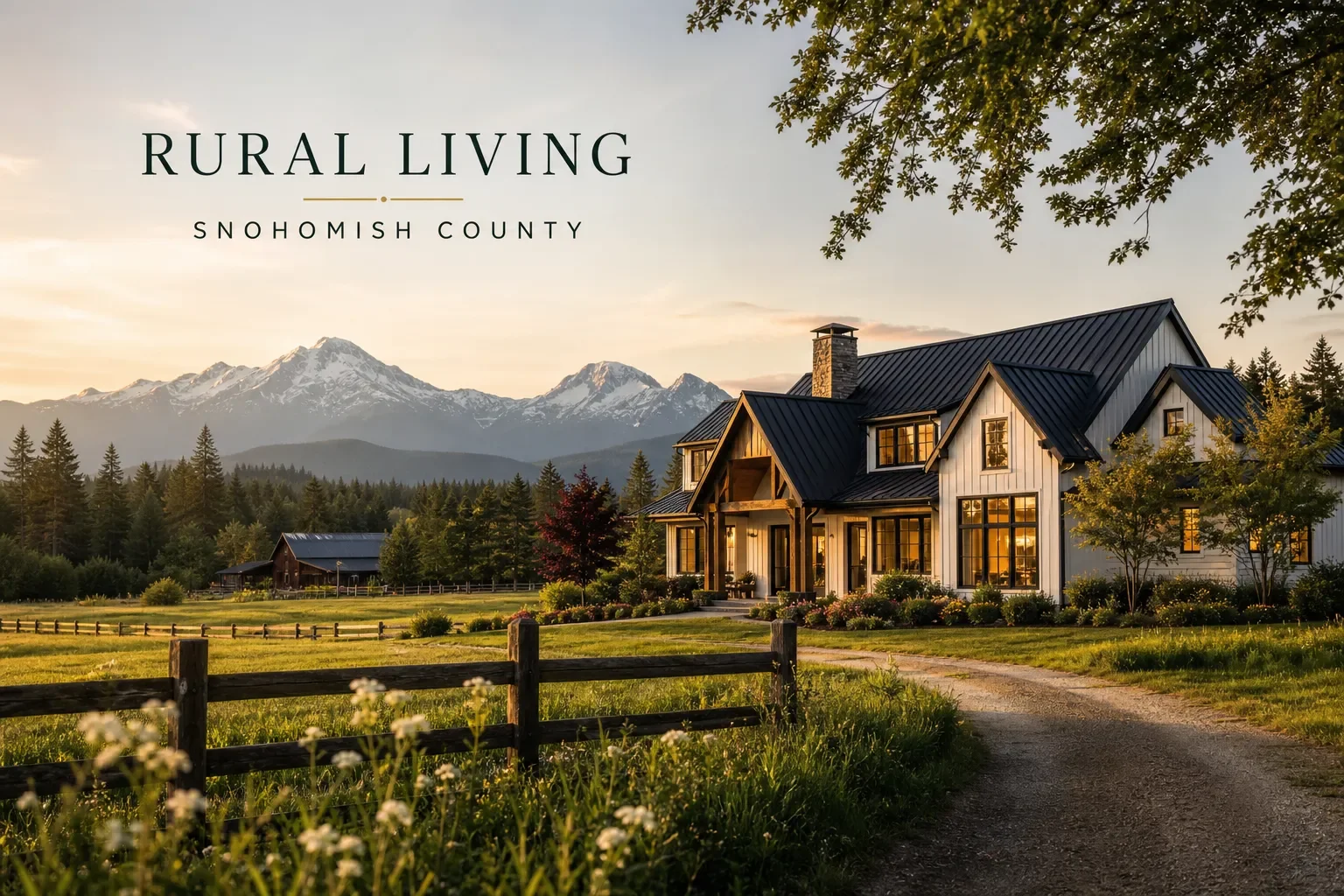
Rural acreage within reasonable commuting distance of Seattle has grown genuinely hard to find. Much of the available land has been absorbed by subdivisions over the past decade, and buyers who search too broadly end up disappointed by what's actually on the market. The good news: there are still Snohomish County communities where buyers can find rural properties with real land under them, whether that's a hobby farm, a forested parcel, or a house on five acres with room for a shop. The trick is knowing exactly where to look and what each community actually delivers.
This guide breaks down the specific communities across Snohomish County where acreage and rural properties are actively listed in 2026, what you can expect to pay, what lot sizes look like, and the non-negotiable due diligence items that separate a smooth rural purchase from an expensive lesson. What you'll find below is ground-level and community-specific rather than generic county-wide advice.
Rural Communities Right Outside Snohomish City
The highest-demand rural communities in the county cluster close to the Snohomish city core. That proximity gives buyers the privacy of acreage living without sacrificing access to schools, grocery stores, and the Highway 2 corridor. Three Lakes, Lord Hill, Dutch Hill, and Fobes Hill consistently show the tightest inventory and the strongest resale history in this cluster, which matters when buyers are comparing long-term land value.
Three Lakes: A Rural Pocket With Genuine Community Character
Three Lakes remains one of the few areas in the county where you can still find horse-friendly lots, small hobby farms, and two-to-ten-acre parcels within an established residential setting. Median home prices in the area run between $1.05 million and $1.22 million based on recent sales data, with typical homes around 2,600 square feet on larger lots. The lifestyle draw is real: quiet roads, meaningful setbacks from neighbors, room for outbuildings, and a community of people who specifically chose land over density.
Lord Hill: Forested Privacy Adjacent to a Regional Wilderness Park
Lord Hill sits next to Lord Hill Regional Wilderness Park, and that permanent green buffer is something buyers genuinely value. Parcels here tend toward larger footprints and heavier tree coverage, appealing to buyers who want more separation from neighbors rather than simply more square footage. That same isolation deserves the most careful evaluation: road access quality, well condition, and proximity to emergency services all require extra scrutiny here. Buyers who do that homework upfront tend to love what they end up with.
Fobes Hill: Mixed Residential-Rural With a Quiet Reputation
Fobes Hill functions as a transitional community where rural lot sizes and more conventional neighborhood layouts exist side by side. It attracts buyers who want some land without the full management commitment of a larger farm parcel, and its proximity to solid school corridors comes up frequently as a deciding factor for families. Pricing here tends to sit in a more accessible range than Three Lakes, making it a practical entry point for buyers who want to be close to Snohomish city without stretching into the upper end of the market.
Outer Snohomish County Communities Where Buyers Can Still Find Rural Properties
Once you expand your search beyond the Snohomish city cluster, the county opens up considerably. These communities offer more active inventory, larger lot sizes for less money, and different tradeoffs around commute time and infrastructure access. Active MLS data in 2026 shows listings in Monroe, Arlington, Granite Falls, Sultan, and Maltby, each with a distinct appeal and buyer profile.
Maltby and the Snohomish-Woodinville Corridor
Maltby sits near the King County line and draws buyers who want rural character while staying within reach of the Eastside job market. Lot sizes here tend to run smaller than Lord Hill but larger than standard suburban lots, and pricing reflects that in-between positioning. Because this corridor competes with parts of King County for buyer attention, values here have shown relative resilience in some market windows even when broader conditions soften.
Monroe, Arlington, and the Highway 2 Corridor
Monroe offers active acreage listings in the $750,000 to $1.75 million range for homes on land, illustrative examples from current MLS activity, making it a practical alternative with real inventory for buyers who can't find what they need closer to Snohomish. Arlington, further north, shows active listings at smaller price points for four-to-five-acre parcels, which makes it a realistic starting point for buyers working with tighter budgets. The honest tradeoff is a longer commute and fewer walkable amenities, so this corridor tends to suit buyers who have already made peace with a rural lifestyle rather than buyers still testing the idea.
Granite Falls and Sultan: The Best Land-Per-Dollar Ratio in the County
These two communities are the county's most affordable rural entry points, with active land listings in the $289,000 to $349,950 range based on current MLS activity. Commute times are longer and services are thinner, but for buyers whose priority is land size or a future build, Granite Falls and Sultan offer the most acreage for the dollar anywhere in Snohomish County. Buyers who go in with clear-eyed expectations tend to find them extremely satisfying; those who underestimate the lifestyle adjustment often struggle with the transition.
What to Evaluate Before Buying Rural Property
Rural purchases carry a different due diligence checklist than a standard residential transaction. Buyers who miss key items during inspection often face expensive surprises after closing. In rural Snohomish County, septic systems, well water, and zoning account for the large majority of post-closing complications, and each one deserves a dedicated look before you commit.
Septic Systems: The Most Common Rural Surprise
Most rural Snohomish County properties use onsite septic rather than public sewer, and the county requires Health Department approval for any system serving a home with plumbing. The distinction between a conventional gravity system and a more complex engineered system matters because engineered systems cost significantly more to repair and replace. Buyers should always request the original septic permit and as-built diagram during due diligence. Note that Snohomish County's property transfer inspection program is set to take effect November 1, 2026, with a statewide rule following February 1, 2027, under this framework, a certified septic inspection within 12 months before closing will be required, with pumping if the inspector determines it's necessary. If you're closing near or after that effective date, confirm current requirements with your agent and escrow team.
Well Water and What the Reports Actually Tell You
Rural parcels typically rely on a permitted well rather than public water, and documentation of that well should be part of every rural transaction. Buyers should budget for a full water quality test beyond what lenders typically require, since lender-ordered well tests often check only a narrow list of contaminants. Well yield measured in gallons per minute is equally important, especially on lots with irrigation needs or multiple structures. The driller's report showing well depth, casing, and construction details is the key document to request from the seller upfront.
Zoning, Land Use, and What You Can Actually Do With the Property
Unincorporated Snohomish County uses zoning designations including R-5, A-10, and F&R (Forestry and Recreation), and what you're allowed to do on a parcel depends heavily on which zone applies. The county's use matrix in Title 30 governs animal keeping, accessory structures, ADUs, and subdivision potential by zone. In R-5, A-10, and F&R zones, accessory storage structures up to 2,400 square feet are permitted, and ADUs are allowed under the rural/resource use matrix. For animals, the rules vary by specific animal type and intended use, so buyers need to read the applicable code section rather than assuming agricultural use is blanket-permitted. It's worth verifying the zone and reading the use matrix directly before assuming what the land supports.
Financing an Acreage Purchase in Snohomish County
Rural property financing has more nuance than a standard suburban home loan. Buyers who approach it without preparation often lose deals or pay unnecessary costs. Knowing the main loan types before you start shopping saves real time and real money.
USDA Loans and Where They Apply in the County
USDA's Section 502 Guaranteed Loan Program offers 100% financing with no down payment for eligible rural properties, and many Snohomish County communities outside the urbanized southwest corridor qualify. Three Lakes, Sultan, Granite Falls, Arlington, Monroe rural areas, and several other communities covered in this guide appear on the USDA eligibility map. The property must be a primary residence (not a working farm with farm income), household income must fall within county limits, and eligibility is ultimately property-specific rather than ZIP code-based. There is no set acreage cap for the guaranteed program, which makes it more flexible than many buyers expect.
Conventional and FHA When USDA Doesn't Fit
When buyers exceed USDA income limits, fall just outside the eligibility map, or own acreage with farm income that disqualifies the property, conventional or FHA financing becomes the path forward. For both loan types, lender underwriting on rural properties focuses on residential marketability, comparable sales, and whether the property's primary use is residential rather than agricultural. Large outbuildings, farm leases, or income-producing land use can complicate the appraisal even when the house itself is completely straightforward. Surface those details with your lender before submitting an offer rather than discovering the complication during underwriting.
Navigating Acreage Purchases With Local Expertise
Rural transactions are not the place to work with a generalist agent who is learning the process alongside you. The due diligence checklist is longer, the comparables are harder to pull, and the communities themselves require genuine familiarity to advise buyers accurately on value and risk.
Why Hyperlocal Knowledge Changes Outcomes
Communities like Three Lakes, Lord Hill, and Fobes Hill each have distinct pricing dynamics, buyer psychology, and inspection realities that don't appear in a county-level search. An agent with deep experience across these exact neighborhoods understands which parcels have historically had well challenges, which zones complicate outbuilding permits, and which comparable sales to pull when acreage lots are scarce. That depth of knowledge is the difference between a confident offer and a regrettable one, and in communities where inventory is thin and mispriced comparables are common, it has a direct dollar value.
Working With The Serviss Group on Your Rural Search
The Serviss Group, led by Nicole Serviss, works specifically in Snohomish and the surrounding communities covered in this guide. Nicole brings direct experience with acreage transactions across Three Lakes, Lord Hill, Fobes Hill, and the outer county communities, including hands-on familiarity with septic evaluation, rural zoning considerations, and how to build comparable analyses when acreage lots are limited. If you're early in the process and want to understand the full purchase sequence before picking up the phone, the free Homebuyer Roadmap is a practical starting point. If you're ready to talk through a specific community or budget, reaching out to The Serviss Group directly puts you in a real conversation with someone who knows these neighborhoods at street level.
Frequently Asked Questions
Which Snohomish County communities have the most rural properties for sale in 2026?
Active rural inventory in 2026 is concentrated in Three Lakes, Lord Hill, Fobes Hill, Monroe, Arlington, Maltby, Granite Falls, and Sultan. The Snohomish-adjacent cluster tends to move fastest; the outer county communities offer more available listings at lower price points.
What is the most affordable way to buy rural acreage in Snohomish County?
Granite Falls and Sultan currently offer the lowest entry prices for buildable land in Snohomish County, with active land listings in the $289,000 to $349,950 range. USDA Section 502 financing, which requires no down payment, is available for eligible buyers in most of these rural Snohomish areas, making the combination of location and loan type a practical path for budget-conscious buyers.
Are there still communities in Snohomish County where buyers can find rural properties close to Seattle?
Yes. Three Lakes, Lord Hill, and Fobes Hill are all located near the Snohomish city core, offering acreage lots and rural properties in Snohomish WA with reasonable access to the broader Seattle metro. These communities represent the tightest part of the rural inventory market, so acting quickly and working with a hyperlocal agent matters more here than in the outer county.
What should I check before buying rural property in Snohomish County?
Prioritize three areas: septic system condition and county compliance, well documentation and water quality testing, and a clear read of the applicable zoning designation in Title 30. These three items account for the large majority of issues buyers encounter after closing on acreage lots in Snohomish County.
Where to Go From Here
The Snohomish County communities where buyers can still find rural properties are real, specific, and actively listed, this isn't a shrinking category so much as a navigable one. The Snohomish-adjacent cluster of Three Lakes, Lord Hill, and Fobes Hill offers the tightest inventory with the strongest resale history. The outer county communities of Maltby, Monroe, Arlington, Granite Falls, and Sultan offer more land for less money with different lifestyle tradeoffs.
Wherever you land on that spectrum, three items belong at the top of your due diligence list: septic condition and county compliance, well documentation and water quality, and a clear read of the zoning matrix before you assume the land supports your intended use. Get those right and you're making a decision with real information. Skip them and you're guessing.
When you're ready to search with someone who can tell you what a parcel is actually worth in Three Lakes versus what the list price says, get in touch with The Serviss Group. That's the conversation that moves buyers from browsing to buying.

Best ROI Home Improvements Before Selling Your House

The best ROI home improvements before selling a house are rarely the most dramatic ones. Most sellers make the same mistake before listing: they spend thousands on the wrong projects and then wonder why the return doesn't match the invoice. A full kitchen renovation looks impressive, but it rarely earns back what it cost. Meanwhile, a $4,600 garage door replacement can more than pay for itself in added perceived value and buyer interest. The gap between what feels like an improvement and what actually moves the needle on your sale price is bigger than most homeowners realize.
In a market like Snohomish and the surrounding Snohomish County communities, that gap matters even more because buyer expectations shift depending on the neighborhood. What resonates with a buyer touring a Craftsman in downtown Snohomish is not the same thing that matters to someone evaluating a Three Lakes acreage property. Matching your pre-list spending to your specific buyer pool is the single most important variable sellers routinely ignore. Nicole Serviss of The Serviss Group works in these neighborhoods daily and helps sellers build a targeted improvement plan before they spend a dollar. The rest of this article gives you the framework to think it through first.
Why the most expensive upgrades rarely deliver the best return on investment for home upgrades
Return on investment for home upgrades is simple to define but easy to misapply. ROI measures how much value a project adds relative to what it costs, not how much you personally love the result. The 2026 Cost vs. Value data makes this concrete: exterior replacement projects consistently outperform interior renovations on percentage return. That means a seller in Snohomish is almost always better served by targeted, high-visibility upgrades than by expensive interior gut jobs that feel significant but underperform on resale.
How price tier shapes which renovations actually pay back
Entry-level and mid-market homes benefit most from practical, clean, move-in-ready improvements. Buyers in that range want a home that doesn't need immediate work, and they respond to freshness and function over luxury finish. Luxury properties operate by different rules, where buyers expect design cohesion and premium materials throughout. Overspending on a $650K home to match a $1.2M finish level rarely earns the money back, because the neighborhood's comparable sales simply don't support that price ceiling.
Why scope matters more than category for interior projects
The category "kitchen update" covers an enormous range. A $2,000 cosmetic refresh can return 60-80% of its cost in perceived value. A $60,000 gut renovation in the same home may return far less proportionally because the neighborhood's price ceiling doesn't absorb that investment. The same principle applies to bathrooms. This is the logic that runs through everything that follows: smaller, targeted, cosmetic upgrades almost always outperform expensive full remodels on percentage return for sellers. These are the renovations that increase home value most efficiently before a listing goes live.
Best ROI home improvements before selling a house: curb appeal first
The 2026 Cost vs. Value report is clear on this: two curb appeal projects stand above everything else. Buyers form their opinion of a home before they walk through the front door, and listings with strong exterior presentation receive more offers and shorter market times. This is the consistent pattern across listing data and agent reports, not a soft claim, and it holds especially true in the Pacific region, where exterior replacement projects dominate the ROI rankings.
Garage door and front door: the two non-negotiable starting points
Garage door replacement averages $4,672 nationally and delivers a reported 268% ROI in the 2026 Cost vs. Value data, making it the most defensible pre-list investment available to sellers. A steel front door replacement adds roughly $2,100 in value at approximately 88% ROI. Both projects punch well above their weight in listing photos, which is where most buyers now form their first impression. They're also fast: door replacements typically complete in one to two days, which matters when you're working against a listing deadline.
Exterior paint, landscaping, and power washing
Exterior paint averages roughly $9,908 nationally, with meaningful regional variation. In western Washington, the workable exterior painting season runs approximately late April through early October, so timing matters. Fresh landscaping and curb cleanup consistently return 80-100% of their cost, and power washing driveways, walkways, and the home exterior costs very little while dramatically improving how a property reads in listing photos. These are also low-timeline-risk projects: no permit is typically required for exterior painting or routine landscaping maintenance in Snohomish County, meaning you can start immediately without administrative lead time.
Kitchen refreshes that deliver the best ROI before selling a house
The kitchen is where sellers most consistently overspend. A full remodel in a larger metro can run $20,000 to $80,000 or more, and the percentage return drops sharply at that scale. A cosmetic kitchen refresh in the $500 to $5,000 range returns roughly 60-80% of its cost, making it a far better use of pre-list budget for most sellers. In the PNW, the minor kitchen remodel category shows ROI around 113%, which is unusually strong for an interior project and reinforces why staying cosmetic is the right call.
Mid-market Snohomish buyers in the $500K to $900K range want a kitchen that reads clean, updated, and functional. They're not looking for a bespoke renovation, they want to move in without feeling like the kitchen is a project. That psychology should guide your spending decisions. One additional sentence worth internalizing: a buyer who perceives the kitchen as "done" is far more likely to write a competitive offer than one who's already calculating how much the update will cost them.
What a cosmetic kitchen refresh actually includes
A cosmetic refresh is a defined, budget-contained scope of work:
Cabinet hardware replacement (pulls and handles)
Fresh neutral paint on cabinets or walls
Updated lighting fixture over the kitchen island or table
Clean or resurfaced countertops, or a direct countertop swap to quartz or a stone-look surface
New sink faucet
These changes keep costs manageable, photograph well, and can be completed in under a week. Cabinet refacing or repainting is often the single biggest visual upgrade available at this scope because it changes how the entire room reads without touching the layout.
Where sellers waste money in the kitchen before selling
The traps are predictable: full cabinet replacement, new appliance sets in mid-market homes, and high-end countertop upgrades that push the finished kitchen above what comparable sales in the neighborhood will support. A new $12,000 appliance package in a home where the comps don't justify it adds little to buyer offers and delays your listing timeline. The goal is to bring the kitchen in line with neighborhood expectations, not to leapfrog them.
Bathroom updates that move the needle for buyers
Minor bathroom updates consistently outperform full gut renovations on ROI percentage, and the numbers make the case directly. A minor bathroom remodel averages roughly $6,500 nationally and returns about 70-80%. A full gut renovation typically runs $15,000 to $25,000 or more and returns closer to 45-55%. For sellers, that math is straightforward. Buyers want bathrooms that look clean and modern, not necessarily custom-built.
The cosmetic bath updates worth prioritizing
A targeted cosmetic scope in the $500 to $2,000 range can make a dated bathroom look significantly fresher in listing photos. The core work covers re-caulking tub and shower surrounds, replacing fixtures and hardware, updating the mirror or vanity light, applying fresh paint, and scrubbing grout lines clean. Buyers notice cleanliness and lighting first in a bathroom, and both are addressable at low cost. Unlike a full renovation, this scope introduces almost no timeline risk.
When a bigger bathroom investment is actually justified
A more substantial bathroom update earns its cost in one specific scenario: when the primary bath is functionally broken or severely dated in a home where comparable sales feature updated bathrooms. The test is whether this update brings the home in line with the neighborhood's comp set or pushes it above what comps support. If the answer is "in line," the investment is defensible. If the answer is "above," you're spending for your own satisfaction rather than the buyer's.
Quick pre-list fixes that shorten days-on-market
Fresh interior paint is one of the few interior updates that actually outperforms its cost, consistently returning an estimated 100-120% according to NAR seller-focused research, which makes it a reliable starting point inside a 30-day pre-list window when there isn't time for structural projects. The good news is that this list is manageable, inexpensive, and fast to execute.
Fresh paint, lighting, and hardware: the interior priorities
Neutral fresh paint is the single most cost-effective interior update available, because it affects the entire visual impression of every room and photographs exceptionally well. Updated lighting and brighter LED bulbs make rooms feel larger and newer in listing photos, which matters enormously because most buyers encounter a home online before they schedule a showing. New cabinet pulls, door handles, and outlet covers create a "cared-for" impression without a renovation price tag, buyers notice the absence of worn hardware even if they can't articulate exactly why. Together, these three upgrades address the cosmetic condition buyers evaluate before they ever discuss price.
Staging and decluttering: the low-cost ROI multiplier
Staged homes sell measurably faster than unstaged ones. According to NAR's Profile of Home Staging, staged listings spend significantly fewer days on market, with reductions commonly cited in the 50-73% range. Decluttering and depersonalization is the single most impactful low-cost step because it makes rooms feel larger and lets buyers picture themselves in the space. Deep clean everything, clear kitchen counters, remove excess furniture, and focus staged presentation on the living room, kitchen, primary bedroom, and entry. These steps cost nothing beyond time and directly influence how buyers perceive value when they walk through and when they review listing photos.
How to prioritize improvements for your specific Snohomish neighborhood
The right renovation priority list isn't universal. It depends on your neighborhood's comp set, buyer expectations, and current market activity. A home in downtown Snohomish's Historic District has a completely different buyer profile than a property on a Three Lakes acreage lot. The curb appeal priorities are different, the interior expectations are different, and the price ceiling each neighborhood supports is different. A general guide to sell house upgrade recommendations gives you the framework. Your specific neighborhood gives you the target.
Matching improvements to your neighborhood's comp set
Your goal as a seller is to meet or slightly exceed comparable sales in your area, not to over-improve beyond the price ceiling the neighborhood supports. A local specialist who monitors each micro-market daily can run this analysis before you spend anything. The Serviss Group tracks what buyers in each Snohomish neighborhood are actually responding to right now, and Nicole Serviss uses that data to help sellers build a targeted pre-list improvement strategy tied to real comp analysis, not guesswork.
Building a realistic pre-list timeline
Door replacement completes in one to two days. A cosmetic kitchen refresh can be done in a week. Exterior paint and routine landscaping typically take one to two weeks with no permit issues in Snohomish County. Projects that require permits, such as siding with structural modifications or deck work, can add one to three weeks of administrative lead time and should be planned earliest if included in your scope. The practical approach: start with the fastest-ROI cosmetic fixes first, confirm your comp set with a local agent, then layer in exterior projects if budget and timeline allow.
The bottom line before you book a contractor
To capture the best ROI home improvements before selling a house, prioritize curb appeal, cosmetic kitchen and bath refreshes, fresh neutral paint, and deliberate staging. These consistently deliver better percentage returns than full room renovations across the Pacific Northwest market. The sellers who walk away with the most money are the ones who spend strategically before the listing goes live, not the ones who spend the most.
Before you call a contractor, have a conversation with a local listing specialist who knows what buyers in your specific Snohomish neighborhood are actually paying for right now. That conversation costs nothing and can save you thousands in wasted pre-list spending. The Serviss Group offers exactly that kind of neighborhood-specific seller strategy, backed by daily market monitoring and over $100 million in closed sales across the Snohomish area. Reach out to get a targeted pre-list plan built around your home, your neighborhood, and your timeline.

Should You Buy Before Mortgage Rates Drop? A Snohomish County Guide

Mortgage rates are sitting in the mid-6% range, Freddie Mac's late August 2026 survey clocked in at 6.66%, with Bankrate reporting 6.73% on August 28, 2026. Forecasts from the Mortgage Bankers Association and Fannie Mae project a modest drop to around 6.4% to 6.5% by year-end. Meanwhile, Snohomish County home prices have continued to climb, with the median now sitting between $729,000 and $735,000 as of mid-2026 (per Redfin and Realtor.com, respectively). If you are a buyer right now, you are caught in a real tension: lock in today's price or wait for a better rate? Neither option is obviously wrong. Both carry real financial consequences.
The good news is that this decision is not a coin flip. It is a math problem with local inputs. This guide walks through the Snohomish County housing market as it stands today, the actual payment numbers, the refinance equation, and the assistance programs most buyers never hear about. By the end, you will have a clear framework for whether you should buy before mortgage rates drop, or wait.
Should You Buy Before Mortgage Rates Drop? The Snohomish County Market Right Now
Before you run any numbers, you need an accurate picture of the market you are actually buying into. Snohomish County is not in a frenzy, but it is not soft either. The median home price sits around $729,000 to $735,000 as of mid-2026, with Redfin reporting $729,193 and Realtor.com at $735,000. Active inventory has climbed year over year, reaching roughly 2,343 to 3,347 listings with about 3.1 months of supply, according to NWMLS market data. That sounds like progress, but a balanced market requires 4 to 6 months of supply. Buyers are not in control here.
Days on market tell a similar story. Redfin reports homes selling in about 14 days; other sources land closer to 28 days for the county overall. Either way, move-in-ready homes in neighborhoods like Dutch Hill and Downtown Snohomish are still drawing multiple offers. The inventory improvement is real, but it has not fundamentally shifted the power dynamic between buyers and sellers.
Here is the part that matters most for the timing question: when mortgage rates fall, more buyers come off the sideline. That surge in demand hits the same limited pool of homes, which pushes prices up. Any savings from a lower rate can get partially or fully absorbed by a higher purchase price. Prior episodes of rate relief over the past two years have been followed by increased buyer activity and upward pressure on prices in this market, and there is no reason to expect the next round of rate movement to play out differently.
The Real Math on Waiting for Rates to Fall in Snohomish County
The 30-year fixed rate currently sits around 6.66% to 6.75% depending on the source, with Freddie Mac's August 27, 2026 Primary Mortgage Market Survey at 6.66%. The Mortgage Bankers Association and Fannie Mae both project year-end 2026 rates around 6.4% to 6.5%. That is a meaningful forecast, but it is still a forecast, not a guarantee.
Here is what a rate drop is actually worth on a median Snohomish County home. Assume a purchase price of $735,000 with 20% down, giving you a loan of approximately $588,000 on a 30-year fixed at 6.66%. A half-point rate reduction saves roughly $245 per month in principal and interest. A full point saves roughly $490 per month. Those are real numbers. But look at what happens when you factor in price appreciation.
Snohomish County home values have appreciated at roughly 6% to 9% annually over the past decade, closer to 9.3% per year based on Neighborhood Scout's 10-year measure, and about 6.7% per year on the 4-year All-Transactions index. If prices rise even 3% while you wait six months, that adds about $22,000 to the purchase price. A higher loan balance at the lower rate partially cancels out your monthly savings. The break-even math depends on how fast rates actually drop and how much prices move in the interim. In most scenarios where rates fall modestly and prices continue to climb, waiting does not produce the savings buyers expect.
The "Buy Now, Refinance Later" Strategy Explained Honestly
You have probably heard this advice already: buy now to lock in the price, then refinance when rates drop. It is reasonable advice, but it is not automatically the right move for every buyer. Here is what it actually costs.
Refinancing in Washington State typically runs 2% to 5% of the loan amount in closing costs, depending on the lender, title, and appraisal fees involved. On a $588,000 loan, that means $11,760 to $29,400 out of pocket at closing. To make refinancing worth it, your monthly savings need to recoup that cost within a reasonable window, often 3 to 5 years, though the timeline shortens if upfront costs are lower or the rate drop is large. If rates fall to 6.0% or below and you plan to stay in the home for at least five years, the math works. If rates drop to only 6.3% and you are not sure about your timeline, it is a closer call.
What this strategy does do well is lock in the purchase price. Buyers who waited through 2023 and 2024 in Snohomish County paid significantly more for the same homes than buyers who purchased at higher rates and later refinanced, median sale prices climbed materially over that period. The ones who waited did not just miss a lower rate. They missed lower prices entirely. Buying now and refinancing later is not the right move for every buyer, but it is a legitimate strategy for those with stable finances and a long enough time horizon to absorb the higher payment in the interim.
Programs That Change the Affordability Picture for Snohomish Buyers
The buy-now-versus-wait calculation often comes down to cash, not just the monthly payment. Many buyers assume they cannot afford to buy now because the upfront numbers feel overwhelming. That assumption is wrong for most buyers, because there are programs in Snohomish County that never come up until buyers are already in escrow.
Here are the main options worth knowing:
WSHFC Home Advantage DPA: Down payment assistance of up to 4% to 5% of the first mortgage (depending on the loan type), structured as a deferred second mortgage. The statewide income limit is $215,000 household income, which makes it accessible to a broad range of buyers. A homebuyer education seminar of at least five hours, available online through eHomeAmerica, is required before funds are reserved.
HomeSight Snohomish County:Up to $50,000 as a 3% deferred 30-year loan for buyers purchasing within the county. Income and purchase price caps apply, and homebuyer counseling is required.
WSHFC House Key Opportunity DPA: Up to $15,000 at 1% interest, deferred, for lower-income buyers. Income limits in King and Snohomish counties are around $88,800 for one- to two-person households, based on 2024 WSHFC guidance, confirm current limits directly with WSHFC, as these are updated periodically.
WSHFC Veterans DPA: Up to $10,000 for eligible veterans and active service members.
To understand why this matters for the timing question: on a $735,000 home with 20% down ($147,000), buyer closing costs of 2% to 5% add roughly $14,700 to $36,750, bringing your realistic total upfront cash need to approximately $162,000 to $184,000. DPA programs can meaningfully reduce that gap. If waiting another six months allows you to build a stronger down payment position while also qualifying for assistance, that may outweigh the price appreciation risk. But if you are already cash-ready and qualify for these programs today, waiting trades real money for a modest projected rate improvement.
A Simple Framework: Should You Buy Before Mortgage Rates Drop?
There is no universal right answer. There is a right answer for your income, your job stability, your target neighborhood, and your timeline. These four questions will get you to it, and they are the same ones a good buyer's agent should be walking you through before you make any decision.
How stable is your income? The refinance-later strategy requires you to carry a higher payment for potentially two to three years without financial stress. If your income is steady and you have adequate reserves, ideally three to six months of housing expenses, this is manageable. If your situation involves variable income or tight margins, a higher payment adds real risk that no rate forecast eliminates.
How long do you plan to stay? If you are buying a home you intend to own for seven to ten years or more, short-term rate movement is almost irrelevant. You will almost certainly have an opportunity to refinance, and price appreciation compounds in your favor over that window. If you are looking at a three-to-five year hold, the calculus gets tighter and the break-even on refinancing costs matters more.
What does your cash position look like? If you are six months away from a meaningfully stronger down payment and a DPA program closes that gap further, waiting may make sense. If you are already in a strong position and qualify for assistance today, buying now captures today's price before additional buyers enter the market when rates ease.
Which neighborhoods are you targeting? This is where hyperlocal knowledge matters. Downtown Snohomish and Dutch Hill are micro-markets where inventory constraints are sharper and buyer competition runs hotter. In those areas, a rate-driven wave of new buyers can significantly tighten an already competitive pool of available homes. In other parts of the county with more available supply, the urgency calculus is different.
Generic online calculators do not account for any of this. They give you a monthly payment number, not a decision. What actually helps is running your specific scenario, your target neighborhood, your cash position, and the programs you qualify for, against the real market conditions in Snohomish County right now. That is exactly what the free Homebuyer Roadmap from The Serviss Group is built to do. It walks buyers through their specific situation, from budget and timeline to neighborhood selection and program eligibility. That way, the buy-now-or-wait question gets a real answer, not just a general one.
The Bottom Line on Timing Your Purchase in Snohomish County
Rates will probably ease modestly by year-end 2026. Snohomish County prices have shown consistent appreciation over the past decade and are likely to remain supported while inventory stays below 4 to 6 months of supply, though market conditions can shift, and no forecast is guaranteed. For buyers with stable finances, a longer time horizon, and access to down payment assistance, buying now and refinancing later is a real and defensible strategy. For buyers who are not financially ready to carry today's payment, waiting is the right call.
What does not work is making this decision based on headlines. Rate forecasts change. Inventory shifts. Local neighborhood dynamics move independently of county-wide averages. The right call depends on numbers that are specific to you, not the general market mood.
If you want to work through the actual math for your situation, reach out to The Serviss Group and ask about the free Homebuyer Roadmap. Nicole Serviss works with Snohomish County buyers at the neighborhood level every day. That resource is designed to turn the buy-now-or-wait question into a clear, personalized next step. You have enough information to make a good decision. You just need it organized the right way.

How to Winterize Your Snohomish County Home This Fall

Most of Snohomish County's annual rainfall arrives between October and March. First frost in Monroe can show up as early as late October, while inland foothill properties near Darrington can freeze weeks before that. The window between the last warm weekend and the first waterlogged November storm, typically late September through early November, is narrower than most homeowners expect, and that's exactly when deferred maintenance turns into expensive damage.
If you've been asking what are the essential fall home maintenance tasks for homeowners in Snohomish County, this guide answers that question directly. The tasks below are prioritized by what causes the most damage and organized by what to do first. They're also calibrated to the specific property types across this county, from historic Craftsman homes in Downtown Snohomish to acreage estates in Three Lakes and Fobes Hill. A generic checklist built for a flat-roofed condo in Bellevue won't cover a 1910 Victorian with older plumbing on a lakefront lot. This one will.
What Are the Essential Fall Home Maintenance Tasks for Snohomish County Homeowners?
Before getting into each category in depth, here's a quick reference checklist of the core fall tasks for Snohomish County homes:
Clean gutters and inspect roof by mid-October (foothill/inland areas) or early November (lowland zones)
Schedule a professional heating system tune-up by early October
Inspect crawlspace vapor barrier, vents, and insulation while ground is still dry
Seal attic air leaks, weatherstrip doors and windows, check duct sealing
Assess septic drain field and confirm pump-out schedule if on acreage
Inspect exposed pipes and exterior faucets; disconnect and drain garden hoses
Check lakefront outbuildings and boathouses for pipe-freeze risk
Each of these tasks is straightforward in dry conditions. Most become harder, more expensive, or less effective once the heavy rains arrive.
Why Snohomish County Fall Is Harder on Homes Than People Expect
The damage pattern here isn't from cold alone. Persistent moisture saturates wood, insulation, and foundations before temperatures drop. In lowland areas, that saturation combined with subsequent freezing contributes significantly to structural problems, though saturated soils and poor drainage cause considerable damage well before any freeze occurs. Foothill and inland properties can see freezing temperatures weeks ahead of lowland zones like Snohomish and Monroe, compressing the maintenance window even further.
When fall maintenance gets skipped, the damage tends to follow a predictable cascade. Clogged gutters overflow and push water against the fascia and foundation. That moisture saturates crawlspace insulation and floor joists. Mold follows within weeks. Meanwhile, a heating system that wasn't serviced in September struggles to keep up when November temperatures drop. A large share of the repair calls that come in December trace back to a water-management failure that began in October.
The four most common damage categories, in order of frequency: roof leaks and water intrusion from clogged gutters or compromised flashing, foundation drainage failures from poor grading and blocked downspouts, mold growth in attics and crawlspaces, and heating system failures from deferred maintenance. Address one and you reduce the risk of the next. The good news is that each one is preventable.
Fall Home Maintenance Checklist for Snohomish County: Gutters and Roofs
Roof and gutter issues are the most frequently cited cause of fall and early-winter home damage in Snohomish County, and they're also the most preventable. Timing matters. Foothill and inland areas should have gutters cleaned by mid-October. Lowland zones like the city of Snohomish and Monroe have a bit more runway, but no later than early November, before the heaviest rainfall arrives.
Gutter Cleaning: Timing and Costs
For most standard single-family homes in Snohomish County, a professional gutter cleaning runs $150 to $350 per visit, with the job taking one to three hours. Homes with significant tree cover (Douglas fir and big-leaf maple are common across Three Lakes and Dutch Hill) may need a second cleaning after leaf drop. Gutter guards are worth considering as a long-term option, though local contractors consistently note they reduce but don't eliminate the need for seasonal cleaning, particularly in areas with heavy needle and leaf fall common to this part of Washington.
Roof Inspection: What to Look For
A proper fall roof inspection goes beyond a visual scan from the ground. It covers shingle condition, flashing integrity around chimneys and skylights, downspout connections, and moss and lichen growth. Moss holds moisture against roofing material and accelerates deterioration significantly on Snohomish County's shadier, north-facing pitches, it's not a cosmetic issue. A standard residential roof inspection in the greater Seattle market runs roughly $300 to $400, with minor repairs adding $500 to $1,000 depending on scope. Many contractors waive the inspection fee if you hire them for the repair work.
Historic Home Considerations
Historic homes deserve extra attention here. Original wood shingles or aged asphalt on a Downtown Snohomish Victorian require a different inspection lens than newer construction. Older materials are less forgiving of even small flashing failures, and what looks like a minor issue on a newer roof can mean active water intrusion on a home built in 1912.
Getting Your Heating System Ready Before the Cold Locks In
The goal with fall heating prep is straightforward: confirm the system works before you actually need it, not after the first cold snap of November when HVAC appointment windows stretch weeks out. Schedule a professional tune-up by early October if you can. That single deadline makes a meaningful difference.
For heat pumps, the homeowner checklist starts with clearing at least two feet of open space around the outdoor unit and removing accumulated leaves and debris from the cabinet. Check that gutters and downspouts aren't draining water directly near the unit, a common issue in Snohomish's densely treed yards. Test the system in heating mode before sustained cold arrives. If it seems to be underperforming, that's a call for a licensed technician, not a DIY fix. Any refrigerant-related work requires an EPA Section 608-certified technician under federal law.
For furnaces, the fall checklist is straightforward: replace the filter, run the system for 15 to 20 minutes to confirm it heats properly, and check that all registers are open and unblocked. If the home uses gas heat, test carbon monoxide and smoke detectors. A functioning CO detector is the difference between a manageable heating issue and a life-safety emergency. This isn't optional.
Sealing Out Moisture: Crawlspace, Attic, and Draft Control
Snohomish County's wet winters push ground moisture upward into unprotected crawlspaces. The result is mold on floor joists, degraded insulation, and over time, structural damage. Fall is the right time to inspect the crawlspace before the ground saturates and access becomes more difficult.
Check the condition of the existing vapor barrier and look for signs of standing water or mineral deposits (efflorescence) on concrete walls. Make sure vents are clear of debris and that insulation hasn't been displaced by animals or moisture. Basic moisture mitigation, cleanup plus a vapor barrier, runs roughly $500 to $2,000 depending on scope. Full encapsulation for a standard Snohomish County home typically falls in the $4,000 to $10,000 range, with larger or more compromised crawlspaces sometimes reaching $12,000.
For draft sealing and insulation upgrades, the impact-to-cost ratio is hard to beat. Attic air sealing, door and window weatherstripping, and duct sealing all deliver meaningful efficiency gains at a relatively low upfront cost. Snohomish County PUD (SnoPUD) offers rebates for electrically heated homes that can offset a significant portion of these costs:
Up to $1 per square foot for insulation upgrades
$5 per linear foot (up to $450) for duct sealing
Window rebates for single-pane replacements
A no-cost weatherization program for households at or below 60 percent of state median income, available to both renters and owners
If you're a Puget Sound Energy customer rather than a SnoPUD customer, PSE also operates a home weatherization assistance program for income-qualified households in Snohomish County. Check with your utility before starting any insulation or duct work.
Property-Specific Prep: Septic Systems, Historic Homes, and Lakefront Considerations
This is where Snohomish County's fall maintenance checklist diverges most sharply from a generic Pacific Northwest guide. The county's mix of acreage properties, century-old homes, and lakefront lots creates maintenance priorities that don't appear on any one-size-fits-all list.
Acreage properties across Three Lakes, Lord Hill, and Fobes Hill rely on septic systems that need fall attention before wet-season ground saturation makes service harder and less effective. Inspect the drain field area for standing water or soggy patches, confirm the tank's last pump-out date (every three to five years is the standard interval), avoid new planting near the drain field this fall, and keep heavy equipment off the field during the rainy season. Fall is the last practical window for septic work before saturated soils complicate access.
Downtown Snohomish's historic Craftsman and Victorian-era homes present a different set of fall priorities. Original or older plumbing, wood-framed windows, and drainage systems that predate modern waterproofing standards all require specific attention. Fall prep for these homes means checking basement drain tiles, inspecting older chimney mortar for cracks before the rainy season, and confirming that window glazing is intact so single-pane glass doesn't become a significant heat and moisture vulnerability. These homes are beautiful, but they reward careful seasonal attention in ways that newer construction simply doesn't require.
Lakefront properties along Blackman's Lake and similar sites face additional challenges: exterior grading and drainage issues that become more acute as winter water levels rise, and the risk of pipe freeze in less-insulated outbuildings or boathouses. Check those outlying structures now, before you're managing a frozen pipe in January.
What Fall Maintenance Has to Do With Your Home's Value
When a Snohomish County home goes on the market, deferred fall maintenance almost always shows up as inspection report line items. Those line items erode buyer confidence, trigger repair requests, and in some cases lead to meaningful price negotiations. Washington State appraisers are required to document adverse conditions under Fannie Mae's condition rating guidelines, and items flagged under those standards can result in value reductions or "subject to repair" appraisals that complicate closings.
Local inspectors know exactly what to look for in this climate. Roof wear, gutter condition, crawlspace moisture, and heating system maintenance records are standard focal points in every Snohomish County buyer inspection. Cosmetic issues have limited impact on appraised value. Safety, moisture, structural, roofing, and plumbing issues are the ones that trigger meaningful reductions or repair requirements from lenders.
The Serviss Group works specifically within Snohomish County's micro-markets, from Downtown historic districts to Three Lakes acreage and Blackman's Lake waterfront, which means the conversations she has with sellers well before a listing date are shaped by firsthand knowledge of what local buyers and appraisers focus on in each neighborhood. That insight helps sellers prioritize fall maintenance spending and document it in ways that support a stronger resale position when the time comes.
The Fall Window Is Shorter Than It Feels
The practical timeline for Snohomish County fall maintenance runs from late September through early November, roughly aligned with the county's rainfall ramp-up and the foothill frost window. That's when all of this work is most manageable and most effective.
Think of the fall checklist as a one-time investment in avoiding the far more expensive repairs that show up in December and January. As illustrative examples: a routine gutter cleaning can prevent a foundation drainage repair that runs several thousand dollars. A furnace tune-up can prevent a heating system failure during the coldest stretch of the year, when contractor availability is at its worst. The logic holds across every item on this list.
Homeowners who stay current on Snohomish County fall home maintenance tasks protect their home through winter and build a maintenance record that supports stronger resale positioning when the time comes. If you're still sorting out what are the essential fall home maintenance tasks for homeowners in Snohomish County, or you want a second set of eyes on what to prioritize for your specific property type, The Serviss Group specialize in exactly these micro-market distinctions.

The Hidden Costs of Buying a Home in Snohomish County

When you're budgeting to buy a home in Snohomish County, the purchase price is the number everyone fixates on. It's the figure you compare to your pre-approval letter and your mental ceiling. But understanding the hidden costs of buying a home in Snohomish County is what actually separates prepared buyers from the ones who scramble at the closing table. With the county's median home sale price sitting at $729,193 in 2026, the sticker shock rarely comes from the listing. It comes from the stack of costs that appear between offer acceptance and move-in day, and then every month after that.
Buyers who walk into this market with a full cost picture make better offers, negotiate smarter, and don't have to scramble for cash they didn't know they'd need. That's exactly why The Serviss Group walks every buyer through a free Homebuyer Roadmap before the search even starts. Nothing in this list should catch you off guard at closing. Here's every cost layer, broken down with real Snohomish County numbers.
The Hidden Costs of Buying a Home in Snohomish County: Closing Costs and What to Expect
Closing costs get treated like a vague afterthought until they show up as a substantial line item on your settlement statement, one that can feel overwhelming if you haven't planned for it. On a median Snohomish County purchase, most financed buyers land in the $14,500 to $22,000 range in closing costs alone, before prepaids. That's the 2, 3% local benchmark, and it's a real number worth planning around.
Lender fees: what your loan costs to get
Loan origination fees typically run 0.5% to 1.0% of the loan amount. On a $729K purchase with 20% down, your loan is roughly $583K, which puts origination alone at $2,900 to $5,800. Underwriting and processing fees add $500 to $1,200 combined, credit report charges run $30 to $50, and the lender-required appraisal adds $450 to $1,000. You're already several thousand dollars in before you've touched title or escrow. Lender fees vary significantly by institution, so compare full Loan Estimates, not just rate quotes.
Title, escrow, and recording: the costs buyers forget to ask about
Lender's title insurance runs $700 to $1,400. Escrow and closing fees (buyer's share) typically land at $500 to $900, and county recording fees add $150 to $250 on top. Recording fees are set by statute and fixed, though some title and escrow fees can vary by provider, so it pays to ask. These costs are part of every financed purchase in Snohomish County, and they belong in your budget from the start.
Property Taxes in Snohomish County: The Ongoing Bill Most Buyers Underestimate
Buyers tend to see the mortgage payment as the full monthly cost of homeownership. That framing is expensive. Property taxes are a separate, ongoing obligation that adds hundreds of dollars per month to what you actually owe, and Snohomish County buyers need to plan for it from the beginning.
Snohomish County's effective tax rate in 2026
The county's effective residential property tax rate is approximately 0.82% of assessed value. On a home near the $729K median, that translates to roughly $5,500 to $6,000 per year, or $458 to $500 per month added to your carrying cost. One important nuance: assessed value isn't always the same as your purchase price. New buyers should expect the county to reassess the property after the sale, which can shift your tax bill in year two.
The proration catch at closing
Washington collects property taxes in arrears. When your first full tax payment comes due, you'll owe the lump sum, and the closing credit is what you use to cover it. First-time buyers who misread this credit as a windfall get an unpleasant surprise six months later.
Homeowners Insurance and What Drives Your Snohomish County Premium
Your lender requires proof of insurance before the loan closes, which means this cost can't be deferred or shopped at leisure. Build it into your budget from day one, and get quotes early enough to factor the premium into your monthly payment calculation.
What buyers are actually paying per year
Annual homeowners insurance premiums for a typical single-family home in Snohomish County run $1,400 to $1,900, with some policies reaching $2,000 or more depending on coverage levels and property characteristics. In monthly terms, that's $117 to $158 rolled into your escrow payment. These are baseline estimates for standard homes on municipal utilities with conventional construction.
Factors that push the premium higher in this county
Rural and wooded lots carry elevated wildfire and wind exposure, which insurers price accordingly. Older homes with aging electrical systems or original roofing draw higher rates. Properties on private wells and septic systems may require separate coverage riders. If you're looking at acreage in Three Lakes, Lord Hill, or Fobes Hill, get insurance quotes early in the process, before you remove your inspection contingency. A premium that makes your monthly payment uncomfortable is much easier to discover before you're in contract than after.
Inspections, Septic Systems, and Well Testing: Snohomish County Homebuying Costs Rural Buyers Often Miss
Inspection costs are not optional extras. They're how buyers avoid inheriting problems the seller didn't disclose. In Snohomish County's rural markets, the inspection scope goes well beyond the standard home walkthrough.
Standard home inspection and appraisal fees
A standard home inspection runs $400 to $600 for a typical home, with larger or older properties landing higher. The lender-required appraisal adds $750 to $1,000. Specialty inspections are where the list grows: a sewer scope runs $150 to $300. On older homes throughout Snohomish County's historic neighborhoods and established subdivisions, these add-ons aren't elective. They're how you find out what you're actually buying.
Septic inspection and well water testing: rural property costs most buyers miss
Properties in Three Lakes, Lord Hill, Fobes Hill, and other rural pockets rely on private septic systems and wells instead of municipal utilities. A septic inspection typically runs $200 to $400; if a pump-out is required, budget an additional $300 to $600. Snohomish County is implementing a point-of-sale septic inspection requirement effective November 1, 2026, with a county RPT filing fee of $245. A full well water quality test adds another $75 to $300 depending on the scope of the panel.
These are buyer-paid costs in most transactions. Buyers who skip them inherit whatever the seller didn't disclose. The Serviss Group's hands-on knowledge of acreage property evaluation means these inspections get flagged early in the process, not discovered after contingencies are removed. That's the practical difference a locally focused team makes on rural transactions.
HOA Dues, Transfer Fees, and Special Assessments
Not every Snohomish County home has an HOA, but many do. Newer subdivisions near Lake Stevens, Monroe, and parts of Everett commonly include active associations, and buyers need to understand what they're signing up for before closing.
What HOA fees actually cost and what they cover
Monthly dues in Snohomish County communities typically fall in the range of $190 to $450 per month, with a county median around $359, depending on the community and amenities. HOA fees cover shared expenses like roads, landscaping, and community facilities. They don't replace homeowners insurance or property taxes. Always request the full HOA financial disclosure package before closing, including the budget, reserve study, and meeting minutes from the past two years.
Transfer fees, capital contribution fees, and special assessments
Most HOAs charge a one-time transfer fee at closing, typically $200 to $500 in Washington, sometimes paired with a capital contribution or buy-in fee for new residents. These are knowable costs, and they're manageable. Special assessments are the real risk. If an HOA's reserve fund is underfunded and a major repair becomes necessary, roofing, roads, shared structures, the association can levy a special assessment against every owner. These can run thousands of dollars per unit with limited notice. Buyers who don't review the reserve study before closing have no idea whether this risk is lurking. Read the documents before you sign anything.
Building Your Real Snohomish County Homebuyer Budget
Here's the full picture assembled in one place, because the goal of all this isn't to overwhelm you. It's to put you in control of a decision most people make with only half the information.
Cash-to-close: what you actually need at the table
Start with your down payment (varies by loan type), then add closing costs ($14,500 to $22,000 on a median purchase), inspection fees ($700 to $1,500 when specialty inspections are included), and any HOA transfer and capital contribution fees. That total needs to be identified before you start touring homes, not after you're in contract.
As a concrete example: a buyer purchasing at $729K with 10% down ($72,900) and typical closing costs of $14,500 to $22,000 needs roughly $87,000 to $95,000 liquid at the table, not counting moving costs or cash reserves. Know your number before you make an offer.
First-year carrying costs and the maintenance budget
The annual ongoing stack looks like this: property taxes at $5,500 to $6,000, homeowners insurance at $1,400 to $1,900, HOA dues if applicable, and a first-year maintenance reserve of roughly 1% of the purchase price, about $7,290 on a median Snohomish home. That maintenance reserve isn't a suggestion. It's what covers the water heater that fails in month three, the fence section that needs replacing, and the deferred maintenance the inspection flagged as "monitor." First-year homeownership costs money beyond the mortgage, and buyers who plan for it aren't caught off guard.
The Purchase Price Is Just the Opening Number
The hidden costs of buying a home in Snohomish County add up faster than most buyers expect, but none of them have to be a surprise. When you map out all five cost layers before you make an offer, closing costs, property taxes, insurance, inspections, and HOA and maintenance, you close with confidence instead of scrambling. The math is straightforward once you see it clearly: plan for 2, 3% in closing costs on top of your down payment, $5,500 to $6,000 per year in Snohomish County property taxes, $1,400 to $1,900 in insurance, and a first-year maintenance buffer equal to roughly 1% of your purchase price. If you're buying rural acreage, add septic and well testing to your inspection budget from day one.
None of this should be a mystery you're solving after you're already in contract. Buyers who work with The Serviss Group receive a free Homebuyer Roadmap that walks through every one of these Snohomish County homebuying costs, specific to this market, before the search starts. The only surprise at closing should be how prepared you actually are. Reach out to the team to get your copy and start the process with a complete picture.

Living in Snohomish & Working in Seattle: Is It Worth It?
Is Snohomish WA a good place to live if you work in Seattle? It's the question Nicole Serviss and The Serviss Group hear from Seattle professionals almost every week. You found a house in Snohomish that's $150,000 cheaper than anything comparable in Seattle. The yard is real. The garage exists. And now you're staring at Google Maps at 7 AM on a Tuesday, wondering if that commute will slowly grind you down. They've made the numbers work for a lot of buyers. And sometimes they've talked people out of it.
The honest answer isn't a simple yes or no. It depends on your schedule, your priorities, and which part of Snohomish you land in. But once you look at the actual data, the picture gets clear fast. Here's what you need to know before you make a decision.
The real drive from Snohomish to Seattle: what the numbers say
Start with the commute, because everything else is secondary if this part doesn't work for your life. The distance from Snohomish to downtown Seattle is approximately 30 miles. Off-peak, that drive runs about 41 minutes. That's the number you'll see on Google Maps at 10 AM on a Saturday, not the number you'll experience on a Tuesday morning.
During weekday peak hours, particularly the morning rush from 7 to 9 AM and the afternoon stretch from 1 to 7 PM, that same drive runs 60 to 75 minutes or more. The culprit is I-5 southbound from Everett. Both primary routes out of Snohomish, Highway 2 west toward Everett and SR-522 south toward the Kenmore corridor, funnel into I-5 eventually. That's where congestion concentrates, and there's no routing trick that completely avoids it.
Highway 2 is the most direct route for most Snohomish city residents. It runs west to Everett, where it connects to I-5 South. SR-522 or HWY 9 are the better options if you live on the southern edge of Snohomish or want to access I-405 and SR-520 into Seattle, which can be a viable I-5 alternative when that highway is completely locked. Neither route is dramatically faster than the other in peak conditions. Highway 2 tends to be more consistent; SR-522 can be faster in the evening but is prone to severe bottlenecks near I-405 that can add a full hour to your trip without warning.
The practical window for a manageable Snohomish-to-Seattle drive is before 8 AM or after 7 PM. If your job gives you any schedule flexibility, those hours make the commute genuinely livable. If you're locked into 8-to-5 office hours five days a week, budget honestly for the longer end of that range.
Can you skip the car? Transit options, honestly assessed
Community Transit Route 424 runs directly from downtown Snohomish to Seattle. In-vehicle time is about 58 minutes, and fares run $2 to $5. It sounds like a reasonable commuter option until you see the schedule: it runs once daily, Monday through Friday. That's not a typo. One departure per day. Unless your office hours align perfectly with that single trip, Route 424 is not a viable daily commute solution.
The strategy that actually works for most Snohomish-to-Seattle commuters is a park-and-ride hybrid. You drive 15 to 25 minutes south to either Everett or Lynnwood, park, and connect to higher-frequency service into Seattle. From Everett, Sound Transit Express 51x buses and the Sounder North Line run to Seattle during peak hours. From the Lynnwood Transit Center, the Link Light Rail (1/2 Line extension) covers the remaining distance to downtown Seattle in approximately 28 minutes. More than 100,000 people commute daily from Snohomish County to King County, so this infrastructure exists specifically because it's a well-worn path. The system isn't perfect, but it's not an experiment either. For official details on connecting Snohomish County service to the light rail, see the Sound Transit overview of connecting to the 1 Line in Snohomish County.
The Lynnwood option is worth understanding clearly. The Lynnwood City Center Station is roughly 20 to 25 miles from Snohomish city, adding a driving leg to your commute. Parking at Lynnwood fills up by 9 AM on most weekdays, so arriving early is essential. If the garage is full, Mountlake Terrace Station or Ash Way Park and Ride are functional backups with their own connecting service. This isn't a seamless system, but it removes the stress of driving I-5 through Seattle, and for many commuters, that trade-off is worth it. If you want a quick comparison of travel routes and schedules when weighing options, Rome2rio's Snohomish-to-Seattle route estimates are a useful starting point for planning.
What your housing dollar actually buys in Snohomish
The financial case for living in Snohomish WA when you work in Seattle comes down to price per square foot. In Seattle, you're paying roughly $562 per square foot. In Snohomish, that number is $469, approximately 17% less for every square foot of home you purchase. At a $750,000 budget, that difference translates into real square footage, actual yard space, a garage, and often a shop or outbuilding that simply doesn't exist in comparable Seattle listings.
The trailing three-month median sale price in Snohomish city runs around $750,000, compared to Seattle's median of approximately $855,000. Worth noting: Snohomish prices have risen roughly 6.7% year-over-year, so this market is moving. Waiting to see if prices soften isn't a low-risk strategy here. For current listing and median data, see the Snohomish housing market on Redfin.
On the rental side, the gap is consistent. Average rents in Snohomish run around $2,604 per month, compared to an estimated $3,000 to $3,200 in Seattle. That's $400 to $600 less per month for a comparable unit, $5,000 to $7,000 per year before you've touched any other cost category.
Beyond housing: the full cost-of-living picture
Housing is the headline number, but the full gap is wider than most people expect. Seattle's overall cost of living runs 44 to 57% above the national average. Snohomish sits 16 to 31% above. Both are expensive relative to most of the country, but Seattle carries a meaningful premium that shows up across most spending categories. For a breakdown of regional cost differences, review Salary.com's Snohomish cost-of-living data.
Groceries in Snohomish run about 9% above the national average; Seattle runs 10 to 16% above. That's a modest but real difference. Utilities are where Snohomish actually outperforms: roughly 8% below the national average, while Seattle sits at or slightly above. Neither city has a state income tax, but Seattle layers higher local fees and embedded costs into services and housing in ways that show up gradually in your monthly spending.
The family-of-four comparison is striking. A family's monthly cost of living in Seattle runs an estimated $10,900 to $12,600. In Snohomish, that same family is looking at roughly $7,100. Even after accounting for commute costs, gas, and potential park-and-ride fees, the net savings for most households are substantial. A single professional can realistically save several hundred dollars per month. A family can save significantly more.
Snohomish neighborhoods that work best for Seattle commuters
Not all of Snohomish is equally positioned for a Seattle commute, and buying in the right spot genuinely matters. Downtown Snohomish sits close to US-2, which connects directly to I-5 North at Everett. For commuters who also want walkability, access to local restaurants, and the character of the historic district, downtown is one of the stronger options. The trade-off is older homes with more inspection considerations, but the lots tend to be larger and the properties more distinctive than newer suburban builds.
Homes on the southern and western edges of Snohomish city feed more naturally onto SR-522, opening the Kenmore park-and-ride option and access to the I-405/SR-520 corridor. That routing suits buyers whose Seattle office is on the east side of downtown or in Bellevue. For buyers drawn to newer construction or larger properties, areas like Three Lakes and Fobes Hill offer beautiful acreage homes, but they add meaningful time to the first leg of the commute. An extra 10 to 15 minutes each way adds up across a full work year.
Proximity to your highway on-ramp matters more in Snohomish than most buyers realize before they start touring homes. This is exactly the kind of granular, neighborhood-level detail The Serviss Group has spent years tracking for Seattle-area buyers. Their free Homebuyer Roadmap is specifically designed for buyers in this situation: Seattle professionals seriously considering Snohomish who want to understand the process, the neighborhoods, and the Snohomish housing market in 2026 before they start scheduling tours. If you're weighing adjacent towns as part of that decision, see Snohomish or Monroe: Which Town Should You Buy In?.
When living in Snohomish WA and working in Seattle makes sense, and when it doesn't
Remote and hybrid workers get the clearest benefit. If you're in the office three days a week or fewer, you spend most of your week enjoying Snohomish's quality of life: the historic downtown, the Centennial Trail, the open space, the quieter pace. The commute becomes an occasional reality rather than a daily grind. That calculation works strongly in Snohomish's favor.
Households prioritizing space, ownership, and a quieter environment over urban density also tend to thrive here. Families who want a real yard, a shop, or an outbuilding, and anyone who finds Seattle's density exhausting rather than energizing, tend to find Snohomish feels like an upgrade. Buyers with schedule flexibility who can consistently hit the sub-50-minute drive window before 8 AM or after 7 PM make the commute workable long-term.
Five-day-a-week, rigid-hours office workers face a different calculation. Budget honestly for 1.5 to 2 hours of total commute time on many days, then decide whether the financial savings and lifestyle shift justify that cost. Snohomish is also a different lifestyle than Seattle, not a replication of it. If walkable access to Seattle's density of restaurants, events, and urban amenities is central to how you live, moving to Snohomish is a genuine trade-off, not simply a cheaper version of the same life.
So, is Snohomish WA a good place to live if you work in Seattle?
For the right buyer, yes, clearly. The space, the value, and the quality of life are real advantages that show up in your monthly budget and your daily environment. The commute is manageable if you go in with realistic expectations and pick the right neighborhood for your route. If you're still asking "is Snohomish WA a good place to live if I work in Seattle?", the next step is understanding the local buying process before you start scheduling tours. The Serviss Group's free Homebuyer Roadmap walks through every step of purchasing in Snohomish County, from getting pre-approved in a competitive market to reading the neighborhood-specific pricing dynamics that determine whether you're getting value or overpaying for a location. Reach out to The Serviss Group to get the roadmap and know exactly what's available in your budget.

Should You Buy New or Existing in Snohomish County?

Should you buy new construction or an existing home in Snohomish County? Most buyers assume new construction is the cleaner path. Brand new, no surprises, nobody else's choices baked into the walls. Sometimes that assumption holds. Sometimes it costs them.
In Snohomish County specifically, the decision between a new build and a resale home turns on more variables than most buyers anticipate going in. Price is just one of them. Timeline, financing structure, lot character, neighborhood trajectory, and monthly carrying costs all factor in, and the weight of each one depends entirely on your situation. Buyers who work with The Serviss Group often bring this exact question to the first conversation. There's no universal right answer. But there is a right answer for each buyer's budget, timeline, and lifestyle, and the goal here is to help you figure out which side of that line you're on.
What the Numbers Actually Look Like in Snohomish County Right Now
The Counterintuitive 2026 Price Picture
Here's what surprises most buyers: in Q1 2026, new construction homes in Snohomish County carried a median sale price of approximately $749,973, while existing single-family homes were tracking closer to $857,958. New builds are cheaper, at least on the surface. The reason for that gap isn't that new homes are a bargain. It's that new construction in Snohomish County is concentrated in outlying areas and on smaller lots, while resale inventory includes more established neighborhoods where location commands a premium. The sticker price reflects geography as much as anything else.
This is a useful data point, not a verdict. A lower purchase price in a developing area and a higher purchase price in an established neighborhood are two very different value propositions. The number alone doesn't tell you which one is the better fit.
Why Sticker Price Isn't the Whole Cost Story
New developments in Snohomish County frequently come with HOA dues ranging from $100 to $450 or more per month, plus county impact fees and development-related costs folded into the purchase price. The county-wide median HOA fee sits around $359 per month, according to 2026 directory data. Two homes priced at the same number can carry meaningfully different monthly costs depending on what HOA obligations come attached. When you're running numbers, the monthly carrying cost comparison matters at least as much as the purchase price itself.
Should You Buy New Construction or an Existing Home in Snohomish County? Start with Timeline and Financing
How Long You'll Actually Wait for a New Build
A typical new construction home in Snohomish County takes six to twelve months from groundbreaking to move-in. More complex or custom builds can run eighteen to thirty months from early planning to occupancy when you factor in permitting, design, and site preparation. An existing home closes in roughly thirty to forty-five days after contract. For buyers with a firm move date, a lease expiration, or a school enrollment deadline, this timeline difference is often the deciding factor, and it has nothing to do with price.
This isn't a reason to rule out new construction. But it is a reason to be honest with yourself about how much flexibility you actually have. If you're operating with a hard deadline, a resale home is a fundamentally different product from a timing standpoint.
What New Construction Actually Gives You (and What It Doesn't)
The Real Value of Buying New
New construction delivers things a resale home genuinely cannot. Modern energy systems, fresh mechanical warranties, and the ability to select finishes and floor plans before the home is built are real advantages. Buyers who want an open-concept layout, newer plumbing and electrical, or specific accessibility features get them built in from day one. There's no deferred maintenance waiting on the other side of closing. Everything is under warranty, and the first year especially covers workmanship and materials at a level that gives most buyers meaningful peace of mind.
The Trade-Offs That Matter in Snohomish County Specifically
Newer subdivisions in Snohomish County tend to sit on smaller lots, often in developing corridors without established tree canopy, walkable streets, or nearby commercial activity. HOA restrictions are more common and can govern everything from fence design to exterior paint colors. The neighborhood is still forming. Community character takes time to develop, and a subdivision that's half built out hasn't earned it yet. If lot size, neighborhood walkability, or a sense of place matters to your daily life, this is where the new-build argument starts to soften.
What Existing Homes Still Offer That's Hard to Replicate
Character, Lot Size, and Location That New Builds Rarely Match
Existing homes in Snohomish County often sit on larger lots in neighborhoods with mature landscaping, established schools nearby, and proximity to parks and commercial areas that have been there for decades. Historic Downtown Snohomish, Dutch Hill, and neighborhoods near Lake Stevens offer the kind of rooted community feel that a brand-new subdivision in a developing corridor is still years away from achieving. If you're looking at move-in ready homes in Everett or Lynnwood, that same quality of established character is often what draws buyers to those areas over newer outlying developments. For buyers who want to feel settled quickly, resale tends to win on that dimension without much competition.
This matters beyond aesthetics. Buyers relocating from Seattle or Bellevue often specifically want the feel of a grounded, established community. That quality is built over time, and you can't accelerate it with new appliances.
Resale Value and Long-Term Appreciation Patterns
Established neighborhoods in Snohomish County have a pricing history that lenders and appraisers can work with confidently. Comparable sales exist, appreciation trends are visible through county assessor data and historical MLS comps, and the surrounding infrastructure is already in place. New developments carry more uncertainty in their resale trajectory, particularly in areas still building out roads, retail, and schools. That doesn't make new builds a poor investment. But the resale value of a finished neighborhood is considerably easier to evaluate than one still taking shape, and that clarity matters when you're making the largest financial decision of most people's lives.
Inspection Realities and Warranties on Both Sides
What the Builder Warranty Actually Covers
New construction in Washington state often follows a standard 1-2-10 warranty structure. The first year covers workmanship and materials: drywall, trim, paint, doors, flooring, and similar finish items. The second year covers systems including HVAC, plumbing, electrical, and ventilation. The ten-year structural warranty covers major defects in foundations, framing, and load-bearing components. This protection is genuine and valuable, and it's backed by Washington statute, not just builder goodwill.
That said, buyers should go into the final walkthrough with a detailed eye and a notepad. Common post-move-in punch-list items include nail pops in drywall, paint touch-ups, misaligned doors, cabinet adjustments, caulking gaps, and minor HVAC balancing issues. None of these are serious, and all of them fall under warranty. Document everything at the walkthrough so the builder's warranty service process starts on the right foot.
What Existing-Home Inspections Typically Turn Up
A thorough inspection on a resale home can surface deferred maintenance, aging mechanicals, older roofing, or drainage concerns. This is expected with an older home, and it doesn't make resale a bad choice. Most inspection findings are negotiable, and many issues can be addressed through repair credits or price adjustments before closing. Buyers who go in prepared, with an agent who understands what older Snohomish-area homes typically look like at inspection, are in a much better position to evaluate what they're actually buying versus what they should walk away from.
A Practical Way to Decide: New Construction or Existing Home in Snohomish County?
The Questions Worth Asking Before You Commit
Before committing to either path, work through the variables that actually drive your decision. How firm is your move-in timeline? A year-plus construction window is a real constraint for many buyers. How important is lot size or neighborhood character to your daily life? Do you want to customize finishes, or are you genuinely happy working with an established home's existing footprint? These aren't trick questions. They're filters that help separate what you think you want from what will actually work for where you are right now.
Think through the monthly cost side, too. If a new build comes with $300 in monthly HOA dues and an existing home in a non-HOA neighborhood doesn't, that gap adds up to $3,600 a year. Over five years it's $18,000. That's a real number worth factoring into your comparison before you commit to a floor plan or a finishes package.
Where Local Expertise Makes a Concrete Difference
The comparison between new and existing looks different in Downtown Snohomish than it does in Monroe, Lake Stevens, or Everett. Each pocket of Snohomish County has its own pricing dynamics, builder activity, HOA landscape, and neighborhood trajectory. What's a strong value in one area can be an overpriced compromise two miles away. That's not something you can figure out from a listing portal.
The Serviss Group works with buyers who want that granular, neighborhood-level view before making a decision this size. With over $100 million in closed sales across Snohomish County's distinct micro-markets, Nicole Serviss brings a depth of local knowledge that turns the new-vs-existing comparison into a real analysis rather than a guess. Their free Homebuyer Roadmap is a practical starting point for mapping out your options before you're deep into listings.
The Honest Bottom Line
Neither path is categorically better. New construction gives you modern systems, warranties, and customization at a lower entry price in developing areas. Existing homes give you established neighborhoods, larger lots, faster timelines, and simpler financing. Both have real advantages, and both have genuine trade-offs.
So, should you buy new construction or an existing home in Snohomish County? The answer isn't universal. It's specific to your budget, your timeline, and what you actually want to come home to each day. The goal is to go in clear-eyed rather than surprised by something you could have seen coming.
If you want a grounded, hyperlocal perspective on which direction makes sense for your situation, The Serviss Group is a good place to start that conversation. Reach out directly or grab the free Homebuyer Roadmap to start mapping out your priorities before a listing pulls you somewhere you're not ready to go.

How Septic Inspections Work for Rural Washington Buyers

If you're buying (or selling) rural property in Washington State, one question you'll need to answer before closing is: how does septic inspection work when buying or selling rural property in Washington State, and what does it actually cost you if something goes wrong?
Unlike a roof or a furnace, a failing septic system can cost anywhere from a few hundred dollars to fix or $40,000 or more to replace, depending on what the inspector finds and how the soil responds. In neighborhoods like Three Lakes and Fobes Hill, where many homes were built in the 1970s and 1980s with original gravity systems still in place, we see a septic contingency on nearly every acreage deal we handle. The contingency is not a formality. It is the buyer's financial safety net.
This article walks through exactly what happens during a Washington septic inspection, what the current county rules require, what you will realistically pay, and how to write a contingency that actually protects you.
How septic inspection works when buying rural property in Washington State
A septic inspection is not a visual walkover. It is a physical, component-by-component evaluation that starts with paperwork and ends with the inspector's hands in the ground. Understanding the full sequence helps buyers & sellers know what they're paying for, and what to watch for in the final report.
Locating the system and pulling As-Built records
Every permitted septic system in Washington should have an As-Built drawing on file with the county health department. This document shows the tank location, drainfield footprint, and system type. In Snohomish County, buyers and agents can pull these records through the county health department's OnlineRME database by searching the property address or tax ID. When an inspector arrives on-site, they start by reviewing those records and then physically probe and locate the access lids. Missing or incomplete As-Built records on older rural properties should stop you cold, they can complicate future repair permitting and sometimes indicate the system was never properly permitted in the first place.
Tank inspection: sludge measurement, scum layers, and baffle checks
Once the inspector removes the access lids, they measure the sludge layer at the tank bottom using a sludge stick and the floating scum layer at the top. The 12-inch rule is the key benchmark: if the sludge layer sits within 12 inches of the outlet baffle, the tank needs pumping. The inspector also checks the inlet and outlet baffles for damage, deterioration, or absence entirely. Baffle condition matters because damaged baffles allow solids to pass into the drainfield, which accelerates failure in the most expensive part of the system.
Drainfield, distribution box, and pump tests
The inspector evaluates the distribution box for even flow, then walks the drainfield area looking for surfacing effluent, soggy ground, or unusual vegetation patterns. Any of those signs point to drainfield failure, which is where the costly problems live. For pressurized or alternative systems, the inspector also runs operational tests on the pump, checks alarm functionality, and verifies that mechanical components are performing as designed.
What a complete inspection report documents
A thorough inspection report covers the system type and all major components, the inspection date and inspector credentials, measured sludge and scum depths, observed deficiencies, and recommended repairs. Where county rules require it, the report must also be submitted to the local health department. Buyers should receive this report before closing and read every line of it, not just the summary section. If a deficiency is listed anywhere in that document, it belongs in your repair or credit negotiation. For more on why hiring an experienced inspector matters, see Reasons to Get a Professional Inspection.
Washington's county rules and the coming point-of-sale requirement
Washington does not yet have a single uniform statewide rule for septic inspections at property transfer, but that is changing. For now, county rules drive the requirements, and they vary significantly. The subsections below cover what buyers in Snohomish counties need to know right now.
How inspection intervals are set by system type statewide
Washington's baseline inspection frequency depends on system type. Conventional gravity systems require inspection every three years. Pressure distribution, mound, and sand filter systems require annual inspection. Alternative systems like aerobic treatment units (ATUs) and drip irrigation systems require inspection every six months to annually depending on the manufacturer's specifications. Many older rural properties in Snohomish County have original gravity systems that may not have been professionally inspected within the required three-year window, which is exactly why a pre-sale inspection matters so much in these transactions. For an accessible overview of routine inspection tasks and intervals, see Washington State University's guide to inspecting your septic system.
Snohomish County's pre-sale rule and the February 2027 statewide mandate
The Snohomish County Board of Health adopted an ordinance in April 2026 requiring all septic systems to be inspected by a certified septic professional before a property is sold. The rule takes effect November 1, 2026. The inspection is valid for up to one year before closing, and tanks must be pumped if the inspector determines it is necessary. Systems installed within the 12 months before a sale are exempt from the requirement. This local rule is part of a broader pattern: Washington State's new law makes property-transfer inspections mandatory for all counties starting February 1, 2027, and Snohomish County adopted its own ordinance now specifically to come into compliance with that state law ahead of the deadline.
The scale of this change is bigger than it might first appear. Snohomish County has roughly 84,000 private septic systems, and about 2,800 septic properties change hands each year. While many of these systems are on rural acreage, a large number also sit in more populated areas such as Lynnwood and Mukilteo, so this rule reaches well beyond the Three Lakes and Fobes Hill acreage market. Buyers and sellers anywhere in the county with a septic system on the property should expect the new requirement to apply to their transaction.
The county's Report of Property Transfer program will require a certified septic professional to complete the inspection, with pumping required where the inspector finds it necessary. The Health Department has said it designed the program with input from partners across the community over the past year, with the explicit goal of keeping the process practical so that planning ahead does not slow down a closing. Through the department's Savvy Septic program, homeowners can also access rebates, grants, and expert guidance to help keep their systems functioning properly, which is worth flagging to sellers who are budgeting for repairs ahead of a sale. The Health Department has said it will run outreach and education for realtors, septic contractors, and homeowners through the summer and fall of 2026 to help everyone prepare before the rule takes effect. Buyers transacting in Snohomish County right now are already operating under the local version of that requirement; see local reporting on the rule change in the HeraldNet coverage. The statewide rule simply makes the same standard universal.
Red flags that can change or kill a rural deal
Not every inspection finding is a crisis. Knowing the difference between a negotiation point and a transaction-ending problem changes how you respond at the table. Red flags generally fall into three categories: tank-level issues, drainfield failures, and aging system indicators, and each calls for a different response.
Tank-level problems that are usually negotiable
Damaged or missing baffles, high sludge levels requiring pumping, deteriorated risers or lids, and effluent filters needing replacement are common findings with defined repair costs in the $300 to $1,500 range. These are negotiation items. You can request a seller credit, ask for repairs completed before closing, or factor the cost into a price adjustment. None of them justify walking away from a property you otherwise want. We often see that most of the time, the seller will just take care of these repairs at the time of the septic inspection.
Drainfield failures and what they mean for the transaction
Surfacing effluent, saturated soil above the drainfield, or a distribution box showing uneven or backed-up flow, any of these signals drainfield failure. This is the most expensive septic problem a buyer can encounter. A failed drainfield in rural western Washington costs $3,000 to $12,000 to repair and $15,000 to $40,000 or more for a full system replacement, since labor costs, clay soils, and environmental permitting push totals well above national averages. When an inspector documents drainfield failure, the discovery does not just create a repair line item. It changes the fundamental economics of the deal, and your offer price needs to reflect that immediately.
Why aging systems in neighborhoods like Three Lakes deserve extra scrutiny
Rural Snohomish neighborhoods with homes built in the 1970s through 1990s often have original gravity systems approaching or past their design life. Signs of an aging system include a single-compartment concrete tank, no risers installed over the access lids, and a drainfield with no documented maintenance history in the county's records. These are not automatic deal-killers, but they signal that a thorough inspection by an experienced inspector is non-negotiable, and that the As-Built records review matters more than usual on these properties.
Septic inspection cost in Washington
Washington septic inspection costs run higher than national averages, driven by regional labor rates, environmental permitting requirements, and the complexity of alternative system types common in this market. This cost is typically paid for by the seller/homeowner.
Base inspection and required pumping fees
A standard septic inspection in Washington runs $300 to $700 depending on system type and site accessibility. Most inspectors require the tank to be pumped before or during the inspection for accurate sludge and scum measurements. In Snohomish County, pumping adds $650 to $1,000 to the total. Budget $1,000 to $1,500 combined for a thorough pre-sale inspection with pumping included. Some counties also charge a report-filing fee of $50 to $150 when submission to the health department is required, so confirm that with your inspector upfront.
Sellers who want to offset some of this cost, or the cost of any repairs the inspection turns up, should also ask the Health Department about the Savvy Septic program's rebates and grants before assuming every dollar comes out of pocket.
Repair and replacement cost ranges buyers should factor into their offer
Minor repairs, baffle replacement, pump servicing, and distribution box repair, typically run $300 to $1,500. Drainfield repair in the Pacific Northwest ranges from $3,000 to $12,000. Full system replacement, tank and drainfield together, runs $15,000 to $40,000 or more in western Washington, which aligns with the drainfield failure figures above. Costs can exceed $50,000 on sites with difficult access, high groundwater, or sensitive environmental designations. Treat any drainfield discovery as an immediate trigger to recalibrate your offer price, not a problem to sort out after closing.
Who pays and how to write a contingency that protects you
Washington's default rules under the septic addendum
Washington real estate transactions commonly use a septic addendum that places inspection responsibility on the seller by default. The standard language reads roughly: the seller shall have the OSS inspected and, if the inspector determines it necessary, pumped by an OSS service company at seller's expense. Your agent should be attaching this addendum explicitly to the offer rather than relying on a generic inspection contingency. A generic contingency may not cover the full system scope, including distribution lines, the distribution box, or drainfield evaluation.
Choosing the right inspector and working with an agent who knows the territory
What credentials a Washington septic inspector must have
Washington requires septic inspections at property transfer to be performed by a certified operation and maintenance (O&M) specialist or a licensed engineer with onsite sewage system credentials. Verify that your inspector holds a current Washington State O&M certification and has documented experience with the specific system type on the property, whether that is a conventional gravity system, a pressure distribution setup, or an ATU. Your county health department maintains a list of approved inspectors and property-transfer requirements; review the local property-transfer guidance for specifics in Snohomish County as you choose a provider.
Why your agent's neighborhood knowledge changes the outcome
A generalist agent covering all of western Washington treats every septic contingency the same way. An agent with granular knowledge of specific rural neighborhoods approaches it differently. They know which subdivisions in Three Lakes have original 1970s gravity systems nearing the end of their design life, which parcels on Fobes Hill have documented drainfield repair histories in the county records, and how Snohomish County's health department processes inspection submissions before a closing deadline. Nicole Serviss and The Serviss Group (that’s us!) have built our practice around exactly this kind of hyperlocal depth, guiding acreage buyers through septic contingencies with a clear read on local system history, realistic repair cost ranges, and the negotiation leverage that comes from knowing the territory. When the inspection reveals a problem and the clock is running, that depth of local knowledge is the difference between a deal that holds together and one that falls apart.
The inspection that determines whether your price reflects reality
Understanding how septic inspection works when buying rural property in Washington State is not optional, it is how you protect yourself from absorbing a five-figure repair cost that should have been priced into your offer. On a rural Washington property, the septic system is not a supporting detail. It is a core component of what you are buying, and its condition directly determines whether the price you are paying is accurate. Pull the As-Built records before you finalize your offer. Know your county's current transfer rules. And make sure your offer includes a contingency that covers the full system scope, not just the tank.
Thinking About Buying Acreage in Snohomish County?
Septic systems, wells, land use, and inspections can dramatically impact both value and future costs. If you're considering a property in Three Lakes, Fobes Hill, Lord Hill, or another rural area, let's discuss what to look for before you make an offer.

Snohomish or Monroe: Which Town Should You Buy In?
Should I buy in Snohomish or Monroe, Washington? It's the question Nicole Serviss of The Serviss Group hears constantly from buyers who've narrowed their search to these two towns and still can't commit. Most of them have spent weeks comparing square footage, lot sizes, and kitchen finishes, scrolling listings late at night, building spreadsheets, without stopping to ask what actually determines long-term satisfaction: what does daily life look and feel like in each place? That's the real comparison.
Her honest answer is always the same: there's no universal winner. The right choice depends on three or four specific priorities, not a single deciding factor. Price, commute, lifestyle character, and flood exposure all point in different directions depending on who's asking.
This article walks through each factor clearly so you can figure out which town fits the life you're building, not just the budget you're working with.
What Your Budget Actually Buys in Each Town
The numbers tell a clear story. Monroe's current median sale price sits at $789,567, with a median price per square foot of $345 (per 2026 MLS data). Snohomish comes in higher on both measures, with a median sale price around $860,000 and a price per square foot closer to $469. That's a meaningful gap, especially on a fixed budget.
In Monroe, that price point tends to buy newer construction, subdivisions built in the 2000s and 2010s, larger lots, two-car garages, and layouts designed for how families actually live. Based on what local agents typically see at this price band, the Monroe cost of living appeals to buyers who want more square footage per dollar and prefer a home that's less likely to surprise them with aging mechanicals. Newer systems generally mean fewer unknowns at inspection.
In Snohomish, the same budget often produces something older, smaller, and more characterful. Homes near the historic downtown are Craftsman and Victorian-era builds, frequently on compact lots, and buyers pay a premium for the setting rather than the square footage. Snohomish real estate has historically held its value well, the town's walkability and distinct character generate consistent buyer demand, which tends to support strong sale-to-list ratios and shorter days on market compared to more generic suburban inventory. Price per square foot is just one lens. Lot size, home era, and location within town all shift the true value calculation significantly.
The Commute Reality Neither Town Likes to Talk About
Drive Times to Seattle and Bellevue
Both Monroe and Snohomish sit east of Everett, which puts Seattle roughly 45 to 90-plus minutes away during peak hours by car. Monroe, positioned farther east along US-2, consistently adds time to a Seattle-bound commute. Snohomish sits closer to the US-2 and I-5 interchange, which can trim meaningful minutes on a lighter traffic morning. On a typical weekday, Monroe to downtown Seattle runs approximately 45 to 60 minutes, while Monroe to Bellevue tends to land between 35 and 55 minutes depending on conditions, figures that shift considerably with incidents or weather on the pass.
Transit Options and Car Dependency
Snohomish commuters benefit from that proximity to the I-5 corridor, but neither town offers a fast, direct transit alternative. Getting to Seattle or Bellevue by bus from either location typically involves transfers and significantly longer travel times than driving. For most residents, car-dependent commuting is simply the practical reality. Rush-hour slowdowns can be dramatic, in some cases commuters experience multi-hour delays that turn a short drive into an all-day affair, highlighting why planning real commute runs matters for buyers evaluating these towns during peak travel.
For buyers commuting two or three days a week, the math changes. A longer drive to Seattle twice a week feels manageable in a way that five days a week simply doesn't. Before you commit to an address, calculate your true weekly commute cost in time, not just miles. The difference between Monroe and Snohomish on the US-2 corridor doesn't sound dramatic on paper, but it compounds across a year of Tuesday and Thursday drives.
Schools, Safety, and What the Data Says for Families
Both towns operate their own school districts, and both draw families specifically because of it. Monroe School District serves approximately 5,734 students across 13 schools. Snohomish School District is larger, with about 9,418 students across 19 schools. Snohomish High School carries a 7 out of 10 rating on GreatSchools, which places it solidly above average for the region, you can review the district profile and ratings on the GreatSchools Snohomish School District page.
Ratings matter, but they're one input, not a verdict. Class sizes, specific programs (AP course offerings, arts, athletics), and the actual school assigned to a given address all factor in as much as aggregate scores. School boundaries don't always follow city limits, so buyers should verify their specific address before assuming district assignment, especially in fringe areas and newer developments where boundary maps haven't always kept pace with growth.
On safety, both Monroe and Snohomish are considered relatively safe communities by Snohomish County standards. Monroe's violent crime rate runs at approximately 3.03 per 1,000 residents, which is slightly below Washington state's rate of roughly 3.26 per 1,000 (based on recent state reporting). Snohomish is a small historic town with a low overall crime profile, though city-level figures should be confirmed through local police department or FBI/NIBRS data before making assumptions. Variation within each town matters as much as the city-wide averages. Buyers coming from Seattle or Bellevue often find that reference points shift when evaluating suburban community safety, checking the specific neighborhood, not just the city, is always the right approach.
Town Character and the Daily Life Difference That Sticks
Monroe feels like a town still finding its identity. Newer subdivisions have expanded the footprint considerably over the past decade, bringing big-box retail access, a more suburban street pattern, and a family-oriented community that's still taking shape. Buyers drawn to Monroe tend to want newer homes with modern mechanicals, easy access to the Cascades via US-2, and the practical convenience of major retail within a short drive. The daily pace is relaxed, car-centric, and uncomplicated.
Snohomish delivers something different. The historic downtown is a genuine destination, with antique shops, local restaurants, and a riverfront that draws visitors from across the county on weekends. Buyers drawn to Snohomish want to feel like they live somewhere with roots, not just a ZIP code. That character comes with real trade-offs: older housing stock, potential historic preservation considerations on certain properties, and lot sizes that, based on typical parcel configurations in the historic core, are often too compact for the detached shop or outbuilding that many Monroe buyers specifically seek out.
This is the comparison that matters most for long-term satisfaction. Price and commute are calculable. Lifestyle fit is harder to quantify, but in Nicole Serviss's experience working with buyers in both markets, it's the factor people most often point to when reflecting on whether they made the right call, far more than the price-per-square-foot differential. For an overview of core buyer priorities in our area, readers often start with our guide 3 Essential Things Every Buyer Should Know About Snohomish Real Estate, which covers site-selection, flood checks, and common inspection surprises.
Flood Zones and the Insurance Cost Most Buyers Miss
Both towns sit near rivers that flood. Monroe runs alongside the Skykomish River and Lake Tye, and FEMA flood maps identify specific neighborhoods in the regulated floodplain. Snohomish carries similar exposure near the Snohomish River, with certain river-adjacent areas mapped as Special Flood Hazard Areas. If a home falls within a FEMA SFHA and carries federally backed financing, flood insurance isn't optional, it's required at closing and every year after. For local guidance on Monroe's approach to flood risk mitigation, see the city's Flood Protection and Management Program.
Standard homeowners insurance excludes flood damage entirely. A separate flood policy through the National Flood Insurance Program adds a real line item to your monthly housing cost, and that cost varies based on the property's flood zone designation and whether the seller has an elevation certificate on file. Some properties in Zone AE or Zone X carry dramatically different premium profiles even on the same street.
Before making an offer on any specific address in either town, request the FEMA flood zone status and ask your agent whether an elevation certificate exists. This single check can meaningfully change the true cost of ownership. It's one of the steps The Serviss Group walks every buyer through before an offer goes in, because flood exposure doesn't show up on a Zillow listing card.
Picking the Right Town for Your Actual Goals
Here's the honest framework. Monroe tends to suit buyers who prioritize newer construction, more square footage, land access, outdoor recreation via US-2, and a lower price per square foot. They're typically willing to trade a slightly longer commute for a home that requires less maintenance guesswork. Snohomish tends to suit buyers who value historic character, a walkable downtown, a distinct community identity, and consistent resale demand driven by lifestyle appeal. They're willing to pay a premium for a home with a story.
Neither town is objectively better, they serve different priorities. The buyers who struggle to choose are usually the ones who haven't yet gotten specific about which trade-offs they can live with and which they can't. Once those priorities are clear, one of these towns almost always pulls ahead.
Before committing to a neighborhood, tour both towns on a weekday morning and a weekend afternoon. Drive your actual commute route during real traffic, not Google Maps' optimistic estimate. Verify flood zone status, school district assignment, and insurance requirements for any specific address you're seriously considering. These aren't due-diligence boxes to check after falling in love with a listing, they're the inputs that determine whether the math works. For a practical walkthrough of local neighborhoods and how they differ, consult our Snohomish County Neighborhood Guide.
Should I Buy in Snohomish or Monroe, WA? The Fastest Way to Make the Call
Deciding whether to buy in Snohomish or Monroe, Washington looks close on paper right up until you're standing in both towns and running the actual numbers on specific homes. Price bands, commute routes, neighborhood character, and flood exposure stop being abstract the moment you're looking at real inventory with someone who knows what each dollar actually buys on each street. For up-to-date local market snapshots you can cross-reference, the Monroe housing market and localized reports from Realtor.com are helpful starting points.
Homes in both markets move quickly when priced right, getting clear on your priorities before you start touring means you're ready to act when the right property comes up, rather than still working through the trade-offs. If you want tactical tips for competing in this market, see our guide How to Buy a Home in a Competitive Market (Snohomish County Guide 2026), which lays out offer strategy, inspection contingencies, and escalation clauses in plain language.
The Serviss Group works both markets daily. Nicole Serviss can walk you through the same price band in Monroe and Snohomish side by side, pointing out the flood zone boundaries, the school assignments, and the neighborhood dynamics that listings never mention. If the trade-offs still feel close after reading this, the most direct way to resolve it is standing in both towns with someone who knows them both well, and that's exactly what Nicole offers.
Frequently Asked Questions: Snohomish or Monroe, Washington?
Is it cheaper to buy in Monroe or Snohomish, WA?
Monroe is generally less expensive. As of 2026, Monroe's median sale price is around $789,567 ($345/sq ft) compared to Snohomish at roughly $860,000 ($469/sq ft). Monroe typically offers more square footage per dollar, while Snohomish commands a premium for its historic character and walkable downtown.
Which town has a better commute to Seattle?
Snohomish has a slight commute advantage. Its closer proximity to the US-2 and I-5 interchange can shave meaningful time off a Seattle or Bellevue drive compared to Monroe. Neither town offers strong transit alternatives, so both are effectively car-dependent commutes.
Are there flood zone risks in Snohomish and Monroe?
Yes, in both towns. Monroe has flood-risk areas near the Skykomish River and Lake Tye; Snohomish has exposure near the Snohomish River. Always check the FEMA flood zone status and ask about an elevation certificate before making an offer, flood insurance can add meaningful cost to monthly ownership expenses.
Which school district is better, Monroe or Snohomish?
Both districts serve their communities well. Snohomish School District is larger (about 9,418 students across 19 schools) and Snohomish High School holds a 7/10 GreatSchools rating. Monroe School District serves approximately 5,734 students across 13 schools. Program offerings, class sizes, and your specific assigned school matter as much as aggregate ratings, verify the boundary for any address you're considering.

Pet-Friendly Home Features Snohomish County Buyers Love
Discover pet-friendly home features buyers love in Snohomish County, from fenced yards and durable floors to dog wash stations and smart seller prep.
Buddy deserves great curb appeal too.
Pet-friendly homes are no longer just about having a patch of grass or a leash hook by the door. For many Snohomish County buyers, the best pet-friendly home features are practical ones: secure yards, durable flooring, smart storage, and easy-clean spaces that make everyday life with pets simpler.
That matters in today’s market. National Association of REALTORS® research shows that many households factor pets into housing decisions, from neighborhood choice to home layout. Locally, in a competitive Snohomish County real estate market, thoughtful pet-friendly upgrades can help a home feel more functional, cared for, and memorable.
Why Pet-Friendly Features Matter
Buyers with pets are often looking for more than square footage. They want a home that fits their daily routine.
A fenced yard, durable floors, and space for food, crates, litter, leashes, and muddy paws can make a home feel easier to live in from the first showing. These features are especially appealing in Snohomish County, where rainy weather makes mud control and easy-clean entry areas even more valuable.
Pet rules also matter. HOA communities, condos, and cities may have different guidelines for pet limits, fees, licensing, and outdoor enclosures. Buyers should always review local rules before making an offer.
Outdoor Pet-Friendly Features Buyers Notice
A secure fenced yard is still one of the biggest selling points for pet owners. It gives buyers peace of mind and helps them picture their pets safely enjoying the space.

Before listing, focus on outdoor features that feel clean, safe, and low-maintenance:
Secure fencing with a working gate
A tidy side yard or pet run
Easy-rinse walkways or pavers
A mud-control area near the entry
Storage for leashes, towels, and waste bags
Pet-safe landscaping
A catio or outdoor enclosure can also be a nice bonus, especially for cat owners, but the basics matter most. A clean, contained yard will appeal to the widest group of buyers.
Indoor Features Pet Owners Appreciate
Inside the home, durable flooring is one of the most valuable pet-friendly upgrades. Hard-surface floors are easier to clean than carpet and tend to hold up better against fur, claws, spills, and everyday wear.
Buyers also notice signs of pet damage quickly. Scratched doors, stained carpet, chewed trim, damaged screens, and scuffed baseboards can make a home feel less maintained than it really is.
Other indoor features buyers appreciate include:
Washable flooring in entryways and mudrooms
Built-in feeding stations
Hidden food storage
A designated litter box area
Space for crates or pet beds
A laundry room or mudroom with cleanup supplies nearby
A dog wash station can be a standout feature, especially in a laundry room, mudroom, or garage-entry area. But it does not need to be a major remodel. Simple, practical organization often has just as much impact.
Best Pet-Friendly Upgrades Before Selling
If you are preparing to sell your Snohomish County home, start with upgrades that remove buyer objections.
First, repair visible wear. Replace damaged screens, touch up trim, clean or replace stained carpet, and fix scratched doors or baseboards.
Next, clean for odor, not just appearance. Pet smells can be hard for homeowners to notice but very obvious to buyers. Professional cleaning, carpet cleaning, and odor removal can make a big difference before photos and showings.
Then, create a simple pet-friendly drop zone. A laundry room, garage entry, or mudroom with hooks, baskets, towels, and washable flooring helps buyers see how the home handles real life.
Finally, make the yard feel easy to maintain. Trim landscaping, clean up waste areas, repair fencing, and show off any secure outdoor space in listing photos.
Should Sellers Remove Pets During Showings?
Yes. Even buyers who love animals may be distracted by pets during a showing. Removing pets, food bowls, litter boxes, crates, and visible pet clutter helps buyers focus on the home instead of the household routine.
It also makes the home feel cleaner, calmer, and more neutral.
Pet-Friendly Features That Help Listings Stand Out
The most marketable pet-friendly home features are the ones that solve common problems without feeling too customized.
Strong selling points include:
Fenced backyard
Durable flooring
Mudroom or laundry room access
Dog wash station
Built-in feeding nook
Hidden storage for pet supplies
Easy-clean entryway
Pet-safe outdoor space
In Snohomish County, these features can help buyers picture a smoother move-in experience, especially if they already share their home with dogs, cats, or both.
FAQ: Pet-Friendly Homes in Snohomish County
What pet-friendly feature matters most to buyers?
A fenced yard is often the top priority. It gives pet owners safety, convenience, and usable outdoor space.
Are dog wash stations worth adding before selling?
They can be, especially if the setup already makes sense in a laundry room, mudroom, or garage. However, sellers should handle repairs, cleaning, flooring, and yard condition first.
Should I replace carpet before listing a pet-friendly home?
If the carpet is stained, damaged, or holding odor, replacing it or professionally cleaning it is usually worth considering. Buyers notice flooring quickly.
What should buyers ask about pets before making an offer?
Ask about HOA rules, pet limits, breed or size restrictions, monthly or annual pet fees, fencing rules, and local licensing requirements.
Thinking About Buying or Selling a Pet-Friendly Home?
Whether you are searching for a home with the perfect fenced yard or preparing to list a home that already works beautifully for pets, The Serviss Group can help you understand what Snohomish County buyers are looking for and how to market your home’s most valuable features.

First-time homebuyer's guide to Snohomish County (2026)

Buying your first home in Snohomish County can feel intimidating before you even make a single call. The county median sits close to $750,000, and if you've spent any time browsing listings online, it's easy to wonder whether you've already missed your window. You haven't. First-time buyers are still purchasing homes here every month, in every season, at prices that work for real budgets. The process just requires a clear map, not a miracle.
Nicole Serviss and The Serviss Group have walked more than 150 buyers through the Snohomish County market, including plenty of first-timers who started exactly where you are now: unsure of what they could actually afford, overwhelmed by the steps, and wondering which advice to trust. That on-the-ground experience shapes everything in this guide.
By the time you finish reading, you'll have a realistic cost picture, a working knowledge of the assistance programs available to you, a shortlist of neighborhoods worth focusing on, and a clear view of what happens from the day you make an offer through the day you get your keys.
Buying your first home in Snohomish County: what the market actually looks like in 2026
The county's current price picture
The county-wide median sale price sits at roughly $740,000 to $750,000, up about 1.5% year over year. The average sale price is closer to $787,838, which is down about 3.8% from a year ago. What that combination tells you is useful: the market has stabilized after the frenzy of 2021 and 2022, with less urgency on both sides. Locally, inventory tends to build through spring and summer and tighten again in fall, so timing your search around those seasonal shifts can give you a small but real advantage. For a quick snapshot of local trends, see Zillow's Snohomish County home values for context: Snohomish County home values on Zillow.
Where entry-level actually begins
First-time buyers are rarely shopping at the county median, and that's fine. The realistic entry-level band for condos, townhomes, and smaller single-family homes runs from roughly $450,000 to $650,000. At that price range, meaningful inventory is spread across several cities, especially if you approach the search city by city rather than county-wide. A county average tells you almost nothing about what's available in Marysville versus Everett versus Sultan.
What "competitive" feels like right now
The most active demand in the county clusters between $500,000 and $900,000. In that band, well-priced homes in desirable areas can still sell within one to two weeks. You won't face the bidding war chaos of a few years ago, but you also can't afford to move slowly. Having your financing in order before you start touring homes is the difference between making a credible offer and watching a home go pending while you're still gathering paperwork.
Getting pre-approved the right way before you tour a single home
Full underwritten pre-approval vs. basic pre-qual
A standard pre-qualification is a lender's estimate based on what you tell them, no documentation required. A full underwritten pre-approval means an actual underwriter has reviewed your income, assets, and credit before you ever write an offer. In a competitive Snohomish County market, listing agents notice the difference immediately. A full pre-approval tells a seller that your financing is essentially done, pending only the property appraisal and title work. For a deeper look at why a fully underwritten pre-approval carries more weight, read this primer on the benefits of a fully underwritten pre-approval: fully underwritten pre-approval explained.
The document checklist lenders need
Pull these together before you call a single lender:
Two years of W-2s or federal tax returns
Pay stubs from the last 30 to 60 days
Two to three months of bank statements
Retirement and brokerage account statements
Government ID and Social Security number
Source documentation for your down payment (savings trail or gift letter)
Self-employed buyers need to add profit and loss statements plus business bank statements. Having this file organized in advance trims days off the approval timeline and signals to your lender that you're a serious buyer.
Which loan type fits first-time buyers here
Four loan types cover most first-time buyer situations. Conventional loans require as little as 3% down with strong credit. FHA loans allow 3.5% down with more flexible credit standards, and FHA rates in Washington are currently running around 5.38% to 6.125% depending on the lender. VA loans offer 0% down for eligible veterans and active-duty service members. USDA loans also offer 0% down for homes in eligible rural areas of Snohomish County, including parts of Sultan, Arlington, and Granite Falls. If you want a concise overview of USDA loan eligibility and benefits, this USDA loans guide is helpful: USDA loans overview. Washington State Housing Finance Commission assistance programs layer on top of these base loans through participating lenders, which we'll cover next.
Snohomish County homebuyer programs most first-timers overlook
Washington State Housing Finance Commission (WSHFC) programs
The WSHFC runs the most widely used assistance programs available to Washington buyers. The Home Advantage Down Payment Assistance program offers a 0% interest second mortgage for down payment and closing costs, with a statewide income limit of $215,000. For buyers who need the needs-based tier, the income cap for King and Snohomish counties drops to $157,100. The House Key deferred option provides up to $15,000 at 1% interest with payments deferred for 30 years. Both programs require completion of a homebuyer education course and use of a participating lender, so ask your lender specifically whether they're WSHFC-approved before you commit to working with them. Learn more about the Home Advantage Down Payment Assistance program here: Washington Home Advantage program.
Snohomish County CDBG homebuyer assistance
Snohomish County administers a federal Community Development Block Grant program specifically for first-time buyers. To qualify, your household income must be at or below 80% of the Area Median Income, and the home must serve as your principal residence. The program can assist with up to 50% of the required down payment and covers closing costs as well. Funds are limited and application windows open periodically, so this isn't a program you can set aside and access whenever you're ready. The earlier you ask about it, the better positioned you'll be.
Habitat for Humanity Snohomish County and nonprofit paths
Habitat for Humanity Snohomish County offers an owner-built homeownership model for buyers below 80% AMI who don't yet qualify for conventional financing. Applicants need a credit score of 620 or higher, a debt-to-income ratio within 30% front-end and 41% back-end, and a commitment of 250 to 500 hours of sweat equity in the build process. This is a longer runway than a standard purchase, but it's a real and viable path for buyers who need more time to build their financial profile before stepping into the traditional market.
Best Snohomish County neighborhoods for a first-time buyer's budget
The most affordable entry points in the county
Sultan is consistently the county's most affordable option, with entry-level homes running from the mid-$400,000s into the low-$600,000s. The tradeoff is commute time: Sultan sits at the eastern edge of the county, so a Seattle or Bellevue commute requires planning. Everett offers a comparable price range for condos, older townhomes, and smaller single-family homes, with the advantage of urban amenities and significantly shorter commute options. Marysville runs slightly higher, in the low-$500,000s to mid-$600,000s, but delivers more space and newer construction than you'll typically find at the same price in Everett.
The mid-range first-timer markets
Monroe tends to land in the low-$500,000s to upper-$600,000s and is a strong option for buyers who want a detached home with a larger lot and a quieter suburban feel. Lake Stevens runs from the mid-$500,000s into the low-$700,000s, but the premium buys you newer construction, strong school districts, and family-oriented infrastructure that holds its value well. Both cities represent a step up in lifestyle from the most affordable entry points, with a corresponding step up in what you'll need at the closing table.
Why neighborhood-level details matter more than city-level averages
Price per square foot, average days on market, and buyer competition can vary significantly even within a single city. Two zip codes in Everett can behave like completely different markets depending on the street, the school boundary, and the home vintage. This is exactly where The Serviss Group's hyperlocal approach makes a practical difference: daily market monitoring and block-by-block pricing data, not county-wide averages, tell you where to focus your search and what a fair offer actually looks like. That depth of knowledge is what separates a smart strategy from a guess. Read more about those local priorities in our article on 3 essential things every buyer should know about Snohomish real estate.
From accepted offer to closing: what the process actually looks like
How to structure a competitive offer
Earnest money in Snohomish County typically runs 1% to 3% of the purchase price, and it's credited back to you at closing. On a $600,000 home, that's $6,000 to $18,000 held in escrow while the transaction progresses. Beyond the purchase price, what makes an offer stand out is the quality of the pre-approval letter, realistic inspection timelines, and clean offer terms that don't create unnecessary friction for the seller. You don't need to waive your inspection to compete effectively; you need to come prepared.
The cost picture at closing
Closing costs in Washington typically land between 2% and 5% of the purchase price, covering lender fees, appraisal, title and escrow, prepaid taxes and insurance, and recording fees. On a $600,000 purchase, that's $12,000 to $30,000 in closing costs alone.
Add a 3% down payment and your total cash-to-close lands somewhere between $30,000 and $48,000 for that same home, before any assistance programs apply. Seller credits and WSHFC assistance can meaningfully reduce that number. A realistic planning range for low-down-payment scenarios is roughly 6% to 10% of the purchase price in total cash needed.
The closing timeline from accepted offer to keys
A standard financed purchase in Washington runs about 30 to 45 days from accepted offer to closing day. The inspection period typically wraps in the first 5 to 10 days. The appraisal takes one to two weeks. Underwriting runs another two to three weeks, ending with the Closing Disclosure arriving at least three business days before you sign. The final walkthrough happens 24 to 48 hours before closing, and the county records the transfer, usually the same day or the following business day, and the home is yours. Nothing about this process should feel opaque once you know the sequence. For a practical timeline walkthrough from offer to close, this closing guide is a useful reference.
Your next step: how to move from overwhelmed to actually ready
Why a clear roadmap matters at the start
Knowing the steps in order is different from knowing which step applies to your specific budget, timeline, and target neighborhood. Consider a buyer who tours homes for weeks before discovering a WSHFC program window has already closed, that's the kind of costly, avoidable mistake that happens when the sequence gets scrambled. First-time buyers who piece the process together from multiple sources often act out of order or miss program deadlines they didn't know existed. The sequence matters as much as the information itself.
The Serviss Group's free Homebuyer Roadmap
Nicole Serviss and The Serviss Group built a free Homebuyer Roadmap specifically for buyers navigating Snohomish County for the first time. It organizes every step from pre-approval through closing into a clear, practical sequence with no fluff and no sales pressure. The team also offers a no-pressure initial consultation for buyers who want to understand the current market before committing to anything, which is the right way to start a process this significant. Download the Homebuyer Roadmap or join the free email course here: First-Time Buyer Roadmap email course.
What working with a local specialist looks like
The Serviss Group brings real-time market intelligence, granular pricing knowledge at the neighborhood level, and negotiation experience backed by more than $100 million in closed sales across Snohomish County. More than 50 five-star reviews from buyers who were exactly where you are now reflect a process built around clarity, not confusion. If you're focused on buying your first home in Snohomish County, download the free Homebuyer Roadmap to get your bearings, or reach out directly to start a conversation about what your path to homeownership here actually looks like. You can also read our full First-Time Buyer's Guide to Snohomish County for a step-by-step walk-through.
Is Now a Good Time to Buy a Home in Snohomish, WA?
Is now a good time to buy a home in Snohomish, Washington? It's the question most buyers are circling right now, and it deserves a data-driven answer, not reassurance. Prices feel high. Rates haven't dropped in any meaningful way. And yet your rent keeps climbing, and homes in Snohomish keep selling. That tension is legitimate. The answer lives in the numbers.
This article pulls from current 2026 Snohomish County market data, NWMLS, Redfin, and local brokerage reports to give you an honest read on whether now makes sense to buy. Nicole Serviss and her team at The Serviss Group monitor Snohomish's market daily, and this analysis reflects the same framework they walk buyers through in their first consultation. We'll cover prices, inventory, rates, competition, and end with a straight verdict.
What Snohomish home prices are telling us in 2026
The median price picture right now
The median sale price for single-family homes in Snohomish County is sitting at approximately $740,000 to $750,000 in spring 2026, based on NWMLS and Redfin data (March, April 2026 reports). If you're targeting the city of Snohomish specifically, the 98290 zip code, the median climbs closer to $860,000, according to Redfin's March 2026 city-level data, reflecting the premium attached to the historic core and relatively tight supply in that submarket. These numbers are your anchors for budget planning before you look at a single listing.
What's more telling than the number itself is what it signals about trajectory. Prices aren't surging. They're not crashing either. The Snohomish County market is running largely flat to modestly positive, a very different environment from the runaway appreciation cycles most buyers remember from 2020 and 2021.
Year-over-year and quarterly movement
The year-over-year picture is mixed depending on the data source and the specific month. Redfin shows the March 2026 median essentially flat versus March 2025, while some monthly snapshots come in down 3% and others tick up about 1.4%. The consistent thread across all sources is no major appreciation spike and no broad crash. That's not a non-answer. It's actually informative. You're not buying into a market running away from you, and you're not waiting for a collapse the data simply doesn't support. For additional perspective on last year's trends, see What Really Happened in the Snohomish County Housing Market in 2025, and How It Stacks Up to the Past, Helping Families Buy and Sell to Upsize to the Home of their Dreams.
Quarter-over-quarter, prices followed the typical Snohomish seasonal pattern: softening through winter, then recovering modestly into spring. NWMLS forecasts project roughly 1% appreciation over the next 6 to 12 months, with inventory growth keeping any upside capped. That's a stable environment, not an exciting one, but stability is exactly what allows buyers to plan. You can review the broader market snapshots directly via the NWMLS monthly market snapshot.
Is now a good time to buy a home in Snohomish, Washington, based on inventory?
How much supply has opened up in 2026
Snohomish County inventory jumped 58% year-over-year in April 2026, according to NWMLS data. Active listings are running between roughly 1,858 and 2,479 homes depending on the month and data source. That's a material shift from the extreme tightness buyers faced in prior years and one of the most buyer-friendly changes in the 2026 market. More choices, more time to evaluate, and far fewer situations where you're competing sight-unseen on a property you barely had time to walk through.
That said, the inventory surge needs context. More homes on the market doesn't automatically translate into negotiating power. Supply in this cycle has been concentrated in higher price bands and properties with condition issues, which means move-in-ready homes priced accurately are still moving quickly, while dated or overpriced listings are sitting. The character of available supply matters as much as the raw count. If you want to scan current listings to get a sense of what's active in specific neighborhoods, check the current listings in Snohomish.
What months of supply actually means for your offer strategy
Snohomish County sits at roughly 2.0 to 3.0 months of supply in spring 2026, depending on the data window and source, NWMLS county snapshots reported approximately 3.0 months in April 2026, while tighter city-specific measures run closer to 2.0 to 2.4 months. A balanced market, where neither buyers nor sellers hold structural leverage, runs between 4 and 6 months. Below that threshold, sellers still have the upper hand, and that's where Snohomish sits today. The gap has narrowed, but it hasn't closed.
The directional shift matters, though. Supply is moving the right way for buyers, and that trend is real. Twelve months ago, buyers had even less breathing room. Today, you can make a reasoned offer without assuming you'll automatically face five competing bids. The leverage hasn't flipped, but the environment is measurably less hostile than it was.
Mortgage rates and what they actually cost you each month
Where rates sit for Snohomish-area buyers right now
Washington state buyers are looking at 30-year fixed rates in the 6.5% to 7.0% range in May 2026. The national benchmark has been running closer to 6.36% to 6.42%, but Washington-specific quotes from major lenders are coming in at 6.49% to 6.99% APR depending on the lender, your credit profile, and how many points you're buying down. Rates briefly dipped below 6% in late February 2026 before climbing back to the mid-6% range by May and have remained largely sideways since, according to national rate tracking data and local lender quotes. Buyers waiting for a meaningful rate drop should understand that no such rescue appears imminent based on current data. You can compare up-to-date Washington mortgage rates directly via Washington mortgage rates at Bankrate.
The monthly payment math on a Snohomish purchase
At 6.5% on a $750,000 purchase with 10% down, your principal and interest payment lands around $4,270 per month. On an $860,000 city-of-Snohomish purchase with the same down payment, that climbs to roughly $4,900 before taxes and insurance. Affordability is genuinely tight, and there's no point pretending otherwise. The more useful framing: the rate environment has stabilized. Buyers aren't fighting a rapidly moving target the way they were in 2022 and 2023. A known rate, even a high one, is a plannable rate. You can stress-test the budget, lock in, and move forward with a clear picture rather than a moving one.
How competitive is the Snohomish market right now?
Days on market and the sale-to-list ratio
Homes in Snohomish County are sitting on the market for approximately 28 to 36 days in spring 2026, a meaningful increase from the near-instant pace of earlier cycles. The sale-to-list ratio is running between 98.8% and 100%, meaning most homes are clearing at or very close to asking price. This is not a frenzy. It's also not a buyer's clearance sale. Low-ball offers on well-positioned homes are still losing, but buyers are no longer walking into every situation expecting a bidding war. See the median days on market data for Snohomish County for an alternate data source on listing velocity.
What the competition data means for your approach
The market is rebalancing, not collapsing. Homes with strong condition and accurate pricing still move in under two weeks. Overpriced or dated listings are sitting longer, and that creates selective opportunity for buyers who know how to read the difference. The buyers winning in this environment arrive pre-approved, have done their homework on neighborhood-level comps, and move decisively when a well-priced home hits the market. Deliberate is winning right now. Passive is losing. If you want a practical playbook for acting in this market, review our guide How to Buy a Home in a Competitive Market (Snohomish County Guide 2026), Helping Families Buy and Sell to Upsize to the Home of their Dreams.
The honest verdict: is now a good time to buy a home in Snohomish, Washington?
The case for moving forward in 2026
Here's the bullish argument, stated plainly: prices are stable, not accelerating fast enough to create panic, but also not declining in a way that rewards waiting. Inventory is the best it's been in several years. The rate environment, while elevated, is known and consistent. For buyers with a 5-plus year horizon, the math increasingly favors locking in now over speculating on a rate drop that may not arrive in time to matter. Every month of renting is a month of equity not building, and for most buyers in a market where NWMLS forecasts project modest continued appreciation through late 2026, that gap compounds quietly.
When waiting might actually make sense
Be honest with yourself about your foundation. If your down payment is thin, your employment situation is uncertain, or your timeline is under three years, waiting is the right call regardless of what the market is doing. Seasonal patterns also suggest that late summer and early fall 2026 may bring slightly softer conditions if inventory continues rising and demand cools from its spring peak. That's not a reason to stall indefinitely, but it's worth factoring in if you're two to three months away from being truly ready.
Neighborhoods to target and your next step as a buyer
Where buyers have the best conditions right now
Not every part of Snohomish County moves at the same pace, and that distinction matters for your strategy. Based on The Serviss Group's ongoing local market activity, outer corridors like Three Lakes and the acreage-heavy areas around Lord Hill and Fobes Hill tend to have longer days on market and more room for negotiation, particularly on properties with specific land or infrastructure considerations. Downtown Snohomish is a different story: historic homes in the 98290 zip code carry a premium, turn over faster, and leave less room for buyers to play hardball. Matching your budget and lifestyle to the right micro-market is more valuable than any county-wide average. For a forward-looking perspective from The Serviss Group, see the 2026 Snohomish County Housing Outlook: What Buyers & Sellers Need to Know Now, Helping Families Buy and Sell to Upsize to the Home of their Dreams.
Downtown Snohomish (98290): tight inventory, faster pace, premium pricing on Craftsman and Victorian-era homes
Three Lakes and outer acreage corridors: more negotiating flexibility, longer days on market, specialized considerations around land use and septic systems
Lake Stevens and Monroe adjacencies: broader inventory, strong value relative to city-of-Snohomish pricing, growing buyer interest from Seattle-area relocators
The Homebuyer Roadmap: turning data into a plan
Knowing the data is step one. The harder part is translating that data into a pre-approval timeline, a neighborhood target list, and an offer strategy calibrated to current conditions. That's where most buyers stall. The Serviss Group offers a free Homebuyer Roadmap built specifically for buyers navigating the Snohomish, Washington market, covering everything from first steps to closing day. If you've read this far and you're ready to move from informed to active, that's the clearest next step available to you.
The bottom line
The data doesn't hand you a perfect green light or wave a red flag. What it gives you is a framework. Prices are holding and inventory is the best it's been in years, while competition has cooled from its recent peak. Rates remain elevated but stable. For buyers with a solid financial foundation and a long-term view, buying a home in Snohomish, Washington in 2026 represents a more measured entry point than most of the past decade offered.
The buyers who win here show up prepared, pre-approved, clear on their target neighborhoods, and ready to act when the right home appears. If that's the buyer you want to be, The Serviss Group is ready to help you get there.

Snohomish Tiny Homes: A Strategic Guide to ADUs and Downsizing
Explore the growing trend of snohomish tiny homes! Discover beautiful NW Tiny Homes models, local ADU regulations, and how a smaller footprint can lead to a bigger life with local expert Nicole Serviss.
The Rise of Snohomish Tiny Homes: Strategy Over Hype
In the current Snohomish market, "home" is being redefined. We’re seeing a significant shift toward snohomish tiny homes, not just as a lifestyle choice, but as a calculated real estate move. Whether you’re looking to offset a mortgage or house a family member, these small-footprint dwellings are solving big-picture housing problems.
Inventory and Pricing: NW Tiny Homes
Located right on Airport Way, NW Tiny Homes is the local authority for Park Model RVs. These aren't temporary structures; they are engineered for our Pacific Northwest climate with high-grade insulation and moisture management.
The Entry Point: The Maple model starts at $49,900, offering an accessible price point in an otherwise expensive county.
The Layouts: Models like the Alder, Willow, and Magnolia offer full-sized kitchens and lofts, providing functional living space that rivals traditional apartments.
Built for Washington: These units are designed to withstand our specific weather patterns, ensuring long-term durability for local property owners.
The ADU Advantage (HB 1337)
The biggest game-changer for snohomish tiny homes is Washington’s HB 1337. This legislation has streamlined the process for adding Accessory Dwelling Units (ADUs) to your property.
By adding a tiny home as an ADU, you can:
Increase Property Value: Adding a second livable dwelling significantly boosts your home's appraisal and market appeal.
Generate Passive Income: The rental market for unique, standalone units is booming in Snohomish County.
Multi-Generational Living: Provide a private, affordable space for parents or adult children without the cost of a traditional home addition.
The Real Estate Strategy
Navigating the land-use requirements and zoning for a tiny home can be complex. You need to ensure the lot is prepared for utilities and that the placement meets local setbacks.
As a local expert, I help my clients evaluate properties for tiny home potential. We look at the "highest and best use" of your acreage to ensure that adding a snohomish tiny home is a sound financial investment, not just a trendy addition.
If you’re ready to look at the numbers and see if a tiny home fits your real estate portfolio, let’s get to work. You can tour the models at the NW Tiny Homes showroom, then call me, Nicole Serviss, to discuss how to integrate one into your next move.

What Is a Comparative Market Analysis?
Learn what a comparative market analysis is, how it works, and why it matters for buyers and sellers in Snohomish County, WA.
If you are trying to figure out what your home is worth, or what a home is really worth before making an offer, a comparative market analysis can be one of the most helpful tools available.
A comparative market analysis, or CMA, puts pricing into real market context. Instead of relying on guesswork, it looks at comparable homes, recent sales, current competition, and buyer activity. In Snohomish County, that matters. With limited inventory and strong prices, strategy still matters just as much as demand.
What a Comparative Market Analysis Means
A CMA is an estimate of a home’s market value based on similar properties in the same area that have recently sold, gone pending, or are currently listed.
For sellers, a CMA helps answer an important question: what price gives your home the best chance to attract serious buyers without leaving money on the table?
For buyers, it helps answer a different one: is the asking price in line with what the market is actually supporting?
It can also help homeowners who are still deciding whether to move by showing what today’s local market may mean for timing and next steps.
A CMA Is Not the Same as an Appraisal
This distinction matters.
A CMA is a pricing tool used to guide a listing price or an offer strategy. An appraisal is a separate, independent opinion of value, usually required by a lender during a purchase or refinance.
They both deal with value, but they serve different purposes.
How a CMA Works
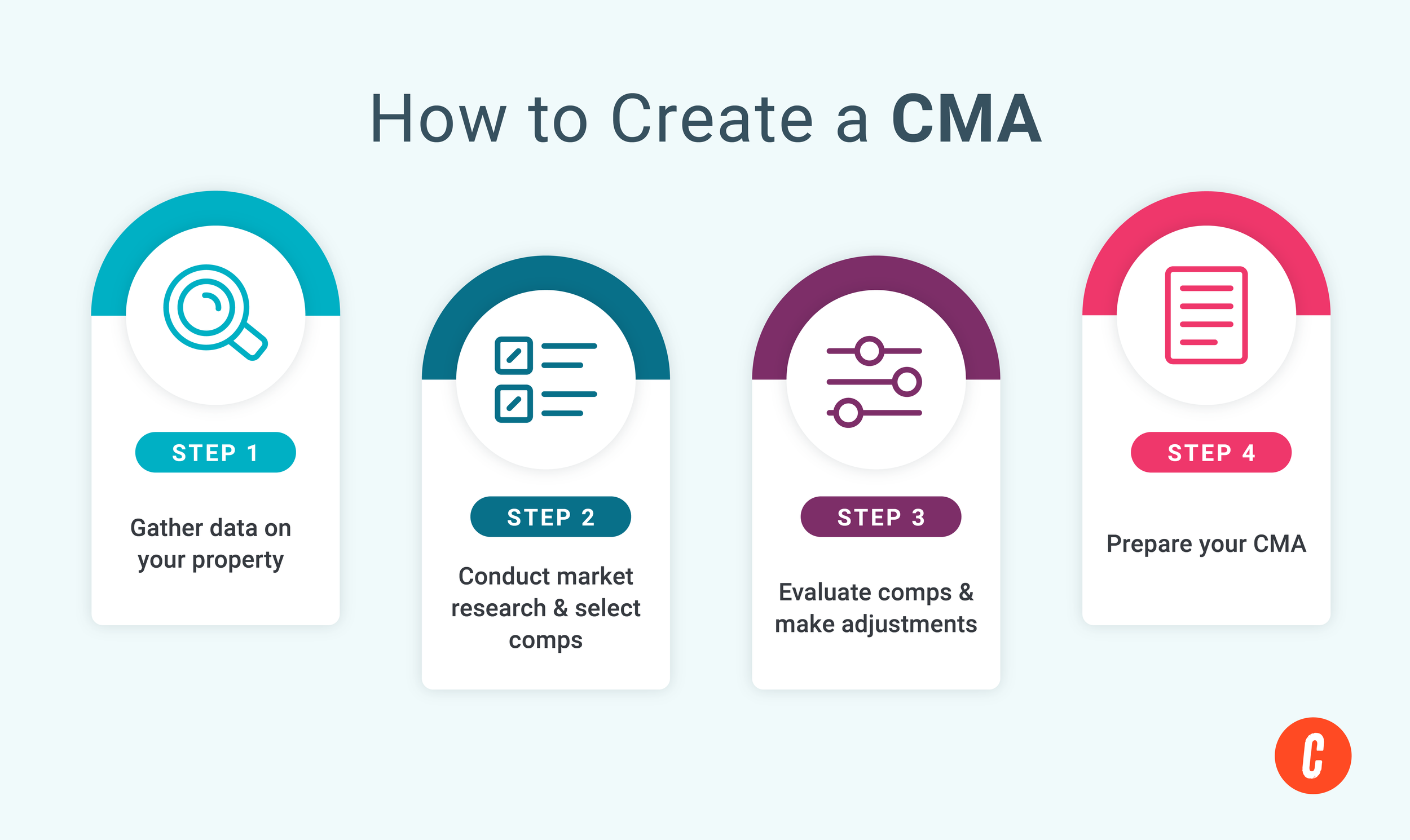
A strong CMA compares your home to similar properties and adjusts for the details that influence price most, including:
Square footage and layout
Bedroom and bathroom count
Overall condition
Location and neighborhood appeal
Lot size, views, and special features
Upgrades, renovations, or needed repairs
Current market conditions and competition
That is why two homes with similar square footage can still have very different values. A remodeled kitchen, better lot, stronger curb appeal, or more favorable location can all shift the pricing strategy.
What a Strong CMA Should Include
A good CMA should do more than hand you a number. It should explain the reasoning behind the price range.
That usually includes:
A review of the subject property
Neighborhood and market context
Comparable sold, pending, and active listings
Local pricing trends
Adjustments for upgrades, condition, or location differences
A strong CMA should also reflect your goals. If you want to sell quickly, pricing may need to be more competitive. If you have more flexibility, your strategy may look different. That is why a CMA is not just a valuation tool. It is also a pricing strategy tool.
Why a CMA Matters in Snohomish County
Snohomish County real estate is not one-size-fits-all. Countywide trends matter, but buyers respond to the details of a specific home and neighborhood.
Condition, commute patterns, lot quality, nearby competition, and overall presentation can all influence how buyers react to the same price point. A CMA helps translate bigger market trends into a strategy for your specific property.
That is especially important in a market where buyers may have more options than they did a year ago, but inventory can still feel tight in the right price range or neighborhood. Pricing too high can cause buyers to hesitate. Pricing too low can leave leverage behind.
CMA vs. Appraisal vs. Assessed Value
Homeowners often hear three different numbers discussed:
Comparative Market Analysis
A CMA is typically prepared by a real estate professional to help determine a pricing strategy for a home sale or purchase.
Appraisal
An appraisal is an independent valuation, usually ordered by a lender to support financing.
Assessed Value
Your assessed value is used for property tax purposes. It may not reflect what buyers are willing to pay in today’s market.
That is why assessed value is not the same as market value, and why a CMA can be much more useful when you are making a real estate decision now.
Frequently Asked Questions
Is a comparative market analysis the same as an appraisal?
No. A CMA helps guide pricing strategy, while an appraisal is an independent valuation often required by a lender.
Does a CMA only use sold homes?
No. A strong CMA may include sold, pending, and active listings to show where the market has been and where it may be moving.
Can I use my assessed value instead of a CMA?
Not if your goal is to price your home for today’s market. Assessed value is for taxation and may not reflect current buyer behavior.
What happens if an appraisal comes in low?
A low appraisal can affect financing. Depending on the situation, buyers and sellers may renegotiate, the buyer may bring in more cash, or the transaction may not move forward.
Final Thought
A comparative market analysis helps you make smarter real estate decisions with real market data, not assumptions. Whether you are thinking about selling, buying, or simply planning your next move, the right CMA can give you a clearer picture of value and a better strategy for what comes next.

The Snohomish Market Is Shifting. Here’s What That Means for You
A shift is happening in Snohomish real estate market trends, and it is catching many sellers and buyers off guard.
From where I sit, working right here in Snohomish, the market feels noticeably different than it has over the past few years. The urgency that once defined every transaction has softened. Conversations are more thoughtful. Decisions are taking longer. And that change is worth paying attention to.
We are seeing a clear increase in inventory. More homes are hitting the market, and they are staying available longer. For buyers, this creates something that has been rare in recent years: options. Instead of competing against multiple offers within days, many buyers now have the space to compare, evaluate, and move forward with intention.
At the same time, buyer demand has slowed. This does not mean buyers have disappeared. It means they are more cautious. They are asking more questions, running the numbers more carefully, and making decisions at a pace that feels comfortable for their financial situation.
Home prices are responding accordingly. They are not falling off a cliff, but they are softening. What we are seeing is a natural adjustment as the market searches for balance between supply and demand.
A big part of this shift comes down to consumer confidence. Right now, many people are feeling uncertain. Inflation is still high, and rising gas prices are adding pressure to everyday budgets. That combination is changing how buyers think about homeownership.
The focus has shifted from purchase price to monthly payment. Buyers want to know what this home will cost them each month, and whether it fits into their lifestyle long term. That mindset is shaping everything from the homes they choose to the offers they write.
For sellers, this creates a new reality. Pricing a home correctly from the start matters more than it has in years. The days of testing the market with an aspirational price and expecting multiple offers are largely behind us, at least for now.
That said, homes are still selling. The ones that stand out are well-prepared and thoughtfully priced. Presentation matters. Strategy matters. And patience plays a bigger role than it used to.
For buyers, there is real opportunity in this market. Increased inventory means less competition. It also means more negotiating power. Buyers can ask for inspections, request repairs, and include contingencies that protect them without feeling like they will lose the home.
This creates a quieter advantage. Buyers can take the time to make decisions that align with their long-term goals instead of reacting under pressure.
It is also important to remember that Snohomish real estate market trends do not always follow national headlines. What is happening locally can look very different from what you see in broader reports. That is why understanding the nuances of this specific market matters.
A question I hear often is whether it is better to wait or to act now. The honest answer is that it depends. Your timeline, your finances, and your goals should guide that decision more than any headline or prediction.
Real estate has always been a long-term investment. Short-term shifts can feel unsettling, but they do not change the bigger picture for those who are making thoughtful, well-planned moves.
If you are considering buying or selling, the most helpful approach right now is to focus on what you can control. Look closely at affordability. Choose a home that fits your lifestyle. Make decisions that support your long-term plans.
This market is not about rushing. It is about clarity and preparation.
And for those who are willing to approach it that way, there is still plenty of opportunity here in Snohomish.

What Buyers Should Know Before Buying a Home in Snohomish WA
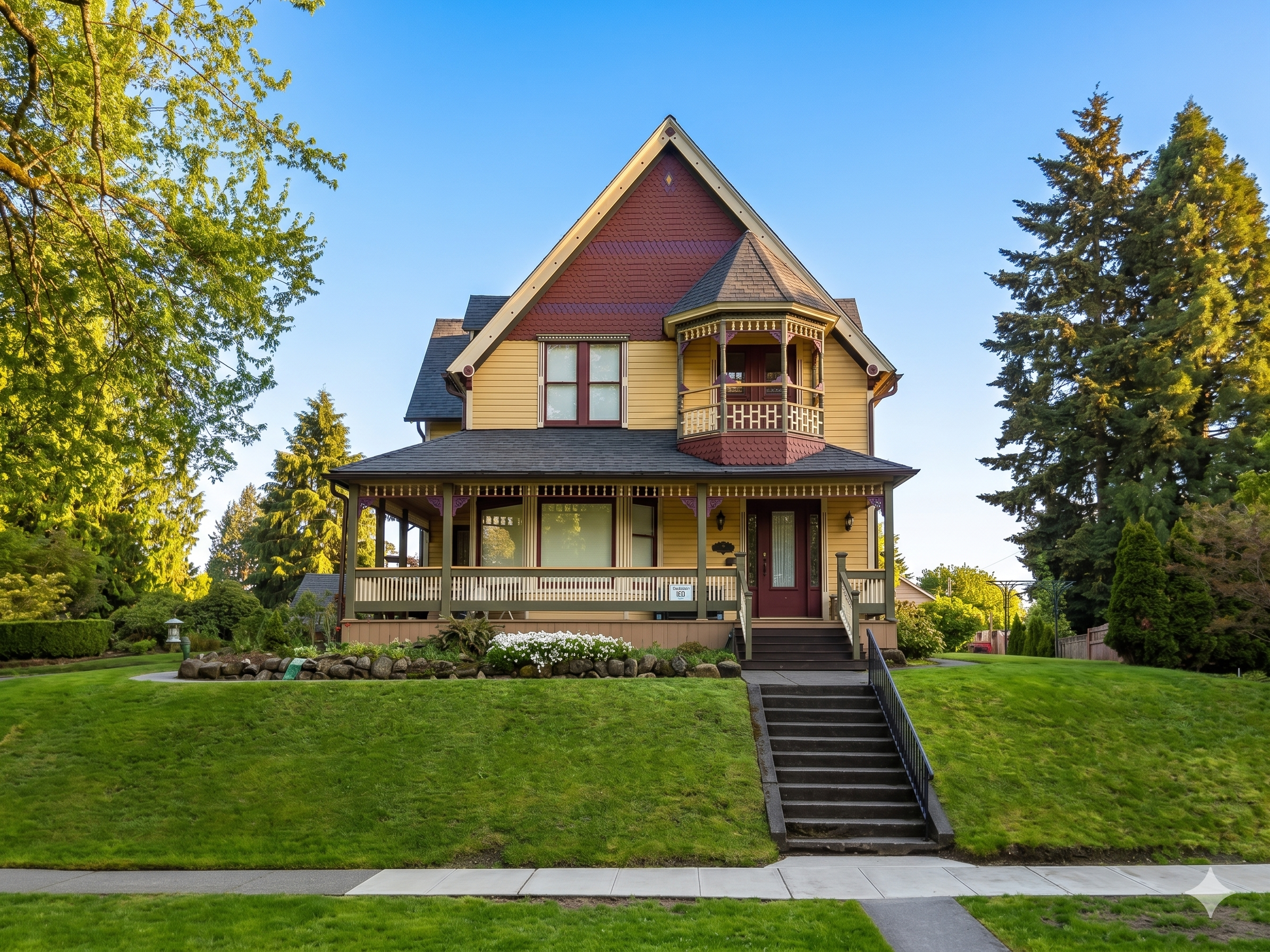
Buying a home in Snohomish WA requires more than watching new listings appear online. The Snohomish real estate market includes historic homes, acreage properties, established neighborhoods, and micro-markets that behave very differently from one another. Understanding those differences can significantly impact both your offer strategy and long-term investment.
If you’re exploring Snohomish homes for sale, here are the key things buyers should know before making a move.
1. Neighborhood Differences Matter More Than You Think
Snohomish is not one uniform market.
Downtown Snohomish homes often carry a pricing premium due to walkability, preserved historic character, and limited inventory. Buyers here are typically competing for charm, location, and long-term desirability.
In contrast, Three Lakes real estate appeals to buyers who want acreage, privacy, detached shops, and lake access. Property values here are influenced by land usability, septic systems, and improvements rather than walkability.
Established neighborhoods such as Dutch Hill, Lord Hill, Fobes Hill, and Blackman’s Lake each have their own pricing dynamics and buyer demand patterns. Some offer proximity to town with quieter streets, while others provide larger lots or hillside views.
Before purchasing, it’s important to evaluate how each neighborhood aligns with your lifestyle, commute, and long-term goals.
Explore:
• Snohomish homes for sale
• Downtown Snohomish homes
• Three Lakes real estate
2. Condition Is Critical in the Snohomish Market
Buyers in the Snohomish housing market are increasingly condition-sensitive.
Historic homes may include:
• Older electrical systems
• Foundation considerations
• Original windows
• Smaller closets and traditional floor plans
Acreage properties often involve:
• Septic systems
• Private wells
• Detached shops or outbuildings
• Land maintenance requirements
Inspection contingencies remain common in Snohomish. Buyers should carefully evaluate roof condition, septic documentation, drainage, and structural integrity before finalizing a purchase.
The right home is not just about charm or acreage. It’s about understanding long-term maintenance and realistic ownership costs.
3. Pricing Strategy Has Shifted
The Snohomish real estate market continues to show strength, but buyers are paying closer attention to affordability.
Interest rates influence monthly payments, and buyers are more analytical than during peak frenzy years. Well-priced homes still attract strong interest, especially in Downtown Snohomish. Overpriced homes, however, tend to sit longer.
In areas like Three Lakes, comparable sales can be difficult to find because each property is unique. Land usability, shop quality, and improvements often impact perceived value more than simple square footage.
Understanding how pricing psychology works within each Snohomish micro-market is critical when writing an offer.
4. Long-Term Value in Snohomish
Many homeowners in Snohomish settle long term. Limited turnover in desirable neighborhoods contributes to steady demand and historically stable values.
Whether you are purchasing a historic home near First Street, an acreage property in Three Lakes, or a residence in Dutch Hill or Blackman’s Lake, thinking long term often leads to the strongest outcomes.
Snohomish continues to attract buyers who value small-town character, community feel, and proximity to larger employment centers.
Final Thoughts
Buying a home in Snohomish WA is not just about finding a listing. It’s about understanding neighborhood dynamics, inspection realities, pricing strategy, and long-term positioning.
If you’re evaluating Snohomish homes for sale, working with a Snohomish Realtor who understands Downtown Snohomish, Three Lakes, and the surrounding neighborhoods can help you move forward with clarity and confidence.
Reach out anytime to discuss your goals or review current opportunities in the Snohomish real estate market.

Best Places to Retire in Snohomish County - Peaceful living, scenic views, and smart long-term choices
Discover the best places to retire in Snohomish County, from coastal towns to quiet communities with lifestyle, convenience, and long-term comfort.
Retirement should feel simpler. More time for the things you enjoy, less time dealing with traffic, upkeep, and a home that no longer fits your lifestyle.
If you want peaceful living without giving up access to healthcare, shopping, parks, and community, Snohomish County is one of the most appealing places to retire in Washington. Whether you picture water views, walkable neighborhoods, or a quieter home base near trails and family, the right town can support both your lifestyle now and your comfort later.
Why retirees are drawn to Snohomish County
Snohomish County offers a balance that many retirees are looking for: natural beauty, everyday convenience, and a range of communities with very different personalities.
Depending on where you settle, you may be able to enjoy:

Access to parks, trails, and waterfront areas
Nearby medical care and regional hospitals
Transit connections for appointments, errands, or airport travel
Single-level or lower-maintenance housing options
Communities that feel active, connected, and easy to navigate
The best retirement choice is not just about finding a beautiful home. It is about choosing a location that makes daily life easier and gives you flexibility as your needs change.
What to look for in a retirement-friendly community
Before choosing where to retire in Snohomish County, focus on the features that matter most in everyday life.
Look for:
Convenient access to healthcare and emergency services
Homes that support aging in place, such as fewer stairs and practical layouts
Easy grocery, pharmacy, and shopping access
Walkable areas, trails, or nearby parks
Transit options, even if you still plan to drive
A strong sense of community and connection
A home can look perfect online, but the neighborhood is what often determines how comfortable retirement really feels.
Best places to retire in Snohomish County
Edmonds
Edmonds is one of the strongest choices for retirees who want a walkable, coastal lifestyle. The waterfront, local shops, dining, and community feel give it an almost vacation-like quality while still offering practical access to services and care.
Why retirees like Edmonds:
Scenic shoreline and beach access
Charming downtown with shops and restaurants
Strong healthcare access nearby
Good regional transit connections
Edmonds is especially appealing if you want beauty, convenience, and a more established, active community.
Mukilteo
Mukilteo is a great fit for retirees who want quieter surroundings, water views, and ferry access. It offers a relaxed pace while still being close to larger service hubs in Everett and Edmonds.
Why retirees like Mukilteo:
Beautiful waterfront setting
Easy access to the Mukilteo ferry
A quieter residential feel
Convenient access to healthcare nearby
For retirees who value scenery and a peaceful pace, Mukilteo stands out.
Mill Creek
Mill Creek is ideal for retirees who want comfort, convenience, and a polished suburban feel. It is especially attractive for downsizers who want low-maintenance living without feeling disconnected.
Why retirees like Mill Creek:
Town Center shopping and dining
Well-kept neighborhoods
Nearby parks and trails
Easy access to medical care and regional connections
Mill Creek works well for those who want everyday convenience in a calm, attractive setting.
Snohomish
Snohomish appeals to retirees who love small-town charm, historic character, and a slower pace. It offers a strong sense of place while still being close enough to larger nearby services.
Why retirees like Snohomish:
Historic downtown and local character
Access to the Centennial Trail
Strong community feel
A more relaxed pace than busier urban areas
If your ideal retirement includes charm, local history, and a little more breathing room, Snohomish is worth a look.
Lake Stevens
Lake Stevens is a good option for retirees who want a community-centered lifestyle with access to parks, water, and a range of housing choices.
Why retirees like Lake Stevens:
Lake-oriented lifestyle
Parks, community events, and open space
Convenient access to Everett-area services
A balance of activity and affordability compared with some nearby markets
Lake Stevens can be a great fit if you want a more casual, active environment without giving up convenience.
Arlington
Arlington is often a favorite for retirees who want more space and a quieter pace. It offers access to outdoor recreation and has a more relaxed feel while still supporting everyday needs.
Why retirees like Arlington:
More room and lower-density living
Access to parks and trails
Local healthcare options
A quieter setting that still feels connected
Arlington makes sense for retirees who want elbow room without feeling remote.
Stanwood
Stanwood is a strong choice for retirees who want a smaller-town atmosphere, community pride, and access to open space. It offers a comfortable pace and often feels less hectic than more built-up parts of the county.
Why retirees like Stanwood:
Small-town character
Community parks and outdoor recreation
Space and flexibility
Practical access to clinics and daily essentials
For retirees looking for peace, community, and a little more room, Stanwood is an appealing option.
How to choose the right town for your retirement
The best place to retire in Snohomish County depends on how you want to live.

Ask yourself:
Do you want walkability or more privacy?
Is waterfront living important to you?
Do you want to be close to a ferry, transit, or major healthcare services?
Would a smaller home or single-level layout better support your future needs?
How much maintenance do you want to handle?
Start with lifestyle first, then narrow your search by home features, location, and long-term practicality.
Final thoughts
Snohomish County offers several strong retirement options, but the right fit depends on what matters most to you. Edmonds and Mukilteo offer scenic coastal appeal. Mill Creek and Lake Stevens deliver convenience and community. Snohomish, Arlington, and Stanwood offer a quieter pace with room to breathe.
Retirement is not just about finding a home you love today. It is about choosing a place that supports comfort, independence, and peace of mind for the years ahead.
If you are thinking about downsizing or relocating, we can help you compare communities, neighborhoods, and home styles to find the right fit for your next chapter.

What Is Escrow in Real Estate? How Escrow Works for Snohomish County Buyers and Sellers
Learn what escrow means in real estate, how the escrow process works in Snohomish County, and why it matters for a smooth, secure closing.
What Is Escrow in Real Estate?
If you’re buying or selling a home in Snohomish County, you’ve probably heard the word escrow and wondered what it actually means.
It’s one of the most common real estate terms, and one of the most misunderstood. Many people hear it during a transaction, nod along, and still are not fully sure what escrow does or why it matters.

Here’s the simple answer: escrow is the process that helps protect the buyer, the seller, the money, and the paperwork until the transaction is ready to close.
When escrow is handled well, it creates structure, reduces risk, and helps your closing stay on track.
Escrow, Explained Simply
Escrow is a neutral third-party process that holds money and important documents until the terms of the contract have been met. Once those conditions are satisfied, the funds and documents are released according to written instructions.
In practical terms, escrow helps make sure no one gets ahead of the deal.
The seller does not give up ownership without confirmed funds. The buyer does not release funds until the agreed terms have been completed.
That’s what makes escrow such an important part of a real estate transaction.
Why Escrow Confuses So Many People
Part of the confusion is that people use the word escrow to describe two different things.
The first is transaction escrow, which is the process that happens between mutual acceptance and closing.
The second is a mortgage escrow account, which some lenders use after closing to collect money for property taxes and homeowners insurance as part of the monthly payment.
When buyers and sellers talk about escrow during a home sale, they are almost always talking about transaction escrow.
How the Escrow Process Works
Escrow acts as the coordination hub of the closing process. While the buyer is working through inspections and financing, and the seller is preparing for the move, escrow is helping manage the documents, funds, and final steps behind the scenes.
A typical escrow process looks like this:
1. Mutual acceptance
The buyer and seller agree to the contract, and escrow is opened.
2. Earnest money is deposited
The buyer delivers the earnest money deposit as part of the agreement.
3. Inspections and negotiations take place
The buyer completes inspections and may negotiate repairs, credits, or other changes based on the findings.
4. The lender processes the loan
If the buyer is financing the purchase, underwriting, appraisal, and final approval happen during this stage.
5. The Closing Disclosure is issued
For financed transactions, the buyer must receive the Closing Disclosure at least three business days before closing. This gives the buyer time to review final numbers and ask questions before signing.
6. Documents are signed and the loan is funded
Signing often happens shortly before the official close date, followed by lender funding.
7. Recording happens with the county
Once the documents are recorded, the ownership transfer becomes official.
8. Closing is confirmed
After recording, the sale is considered closed and possession happens according to the agreement.
What Escrow Actually Does
Escrow plays a major role in keeping a real estate closing secure and organized. Its job may include:
holding funds until all contract conditions are met
coordinating signatures and closing documents
preparing documents for recording
disbursing funds correctly at closing
This is what helps create a smoother transaction for both buyers and sellers.
What Escrow Does Not Do
Escrow is important, but it is not responsible for everything.
Escrow does not determine whether the home is in good condition. That is the purpose of inspections and due diligence.
Escrow does not automatically renegotiate repairs, credits, or contract dates. Any changes still need to be agreed to and documented properly.
Escrow also does not replace the lender. If financing is delayed, escrow cannot close the transaction until the lender is ready.
Why Escrow Matters
Escrow matters because it helps protect everyone involved in the sale.
It helps ensure that:
funds are handled securely
documents are completed correctly
the timeline stays realistic
the transfer becomes official through recording
For Snohomish County buyers and sellers, that structure can make a big difference. Real estate transactions involve large sums of money, tight deadlines, and a lot of moving parts. Escrow helps bring order to all of it.
Common Misunderstandings About Escrow
One of the biggest misconceptions is that escrow is just where earnest money sits. In reality, it is the full process that manages the secure handling of money and documents from contract to closing.
Another common misunderstanding is that the first closing numbers are final. Final costs can shift based on lender updates, insurance premiums, credits, or prorations.
And recording is not just a formality. It is the step that officially confirms the transfer in the public record.
Smart Questions to Ask Before Closing
As closing gets closer, asking the right questions can help prevent last-minute stress:
What changed between the Loan Estimate and Closing Disclosure?
Are negotiated credits reflected correctly?
What is my final cash to close?
How should I safely verify wiring instructions?
When will documents be sent for recording?
Simple questions like these can help you catch issues early and feel more confident going into closing day.
Final Thoughts
Escrow may work behind the scenes, but it is one of the most important parts of the home buying and selling process.
When you understand how escrow works, the transaction feels less overwhelming. You know what to expect, what questions to ask, and why each step matters.
If you’re buying or selling a home in Snohomish County, a clear escrow process can help your closing feel smoother, safer, and far less stressful.
Need help buying or selling in Snohomish County? The Serviss Group can guide you through every step of the process, including what to expect during escrow, so you can move forward with confidence.

How to Buy a Home in a Competitive Market (Snohomish County Guide 2026)
Learn how to win in a competitive Snohomish County real estate market with smart strategies, strong offers, and proven local insights.
How to Buy a Home in a Competitive Market
Win the home, not just the offer.
If you’ve been house hunting in Snohomish County, you’ve likely felt it, homes move fast, and the best ones attract multiple offers within days (sometimes hours).
In this kind of market, speed helps, but strategy wins. The goal isn’t to submit more offers. It’s to submit the right offer, on the right home, with a plan that gets you to closing.
Understand the Market You’re Competing In
A competitive housing market usually comes down to one thing: low inventory.
Snohomish County has recently hovered well below the 4–6 months of inventory considered “balanced,” meaning buyers should expect competition, especially for move-in ready homes in desirable areas.
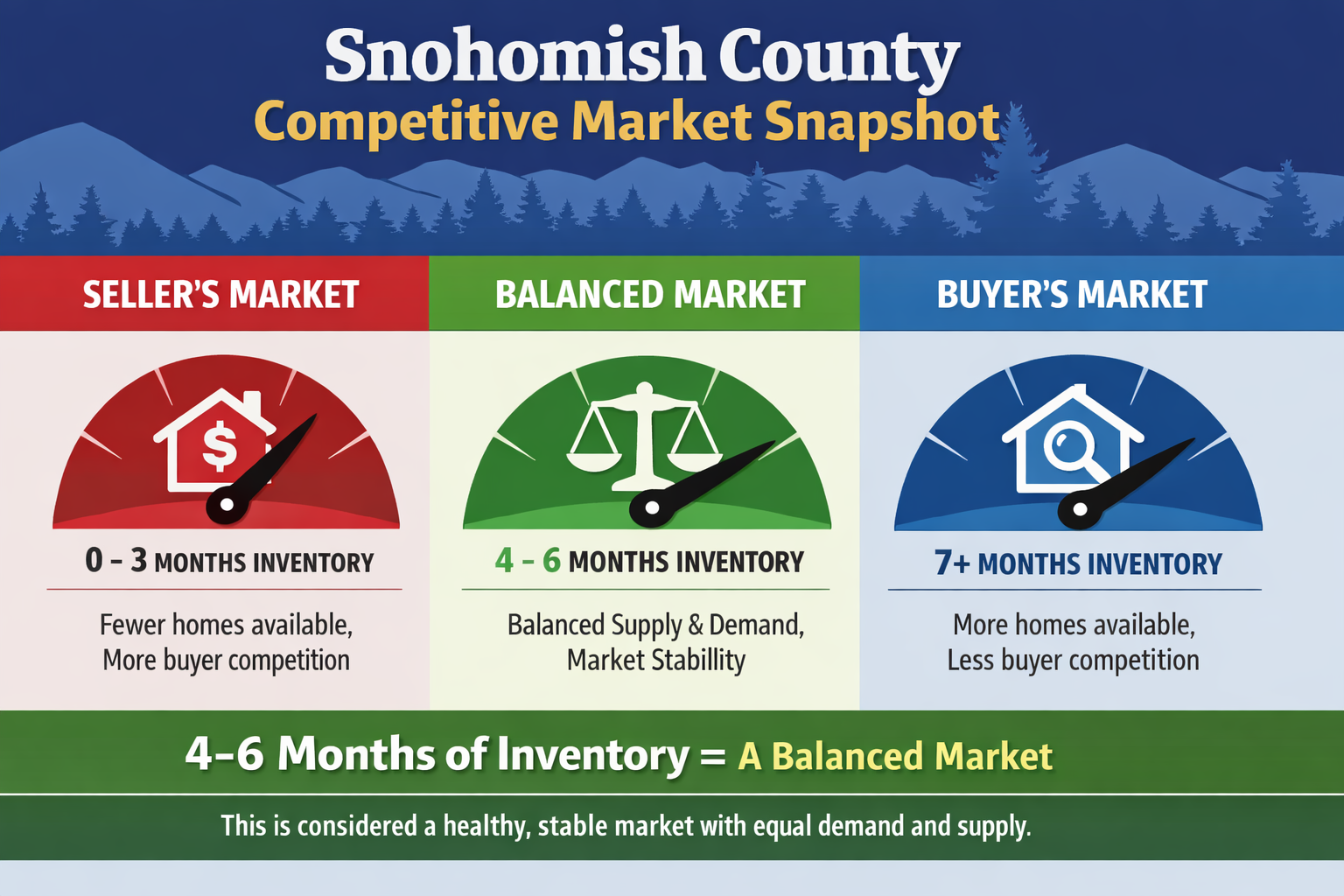
What this means for you:
Multiple-offer situations are common
Pricing matters, but terms often matter just as much
Sellers prioritize offers that feel reliable and clean, not just high
Get Fully Prepared Before You Start Touring
The strongest buyers aren’t the fastest, they’re the most prepared.
1. Get a Strong Pre-Approval
Not all pre-approvals are equal. A fully underwritten or well-documented pre-approval signals to sellers that your financing is solid, and less likely to fall apart.
2. Plan Your Cash Beyond the Down Payment
Be ready for:
Earnest money deposit
Inspection costs
Potential appraisal gap
Earnest money, in particular, shows you’re serious, and can strengthen your offer when used strategically.
3. Know Your Appraisal Strategy
In competitive markets, homes can sell above appraised value.
Before you write an offer, decide:
Will you cover an appraisal gap?
How much risk are you comfortable with?
A capped appraisal gap can help you stay competitive without overexposing your cash.
Shop Smarter (Not Just Faster)
Define Your Focus First
Snohomish County is full of micro-markets, what works in Mill Creek may not apply in Lake Stevens or Arlington.
Know your:
Must-have features
Budget comfort (not just max approval)
Location priorities (commute, schools, lifestyle)
Clarity helps you act quickly without second-guessing.
Use a Simple Tour-to-Offer System
Set up instant listing alerts
Tour strong homes ASAP
Evaluate with a pre-set checklist
Be ready to write same-day if it’s a fit
This prevents rushed decisions while keeping you competitive.
Write an Offer Sellers Will Choose
In multiple-offer situations, sellers are asking one key question:
“Which buyer is most likely to close?”

What Makes an Offer Stand Out
Strong, clean financing
Realistic (or flexible) closing timeline
Thoughtful contingency strategy
Clear, professional presentation
Price matters, but certainty often wins.
Use Escalation Clauses Carefully
Escalation clauses can help you stay competitive without overbidding upfront, but they can also reveal your top number.
Always decide your walk-away price before using one.
Skip the Love Letters
Buyer letters can create fair housing risks and are increasingly discouraged. If you want to stand out, do it with strong terms, not personal details.
Stay Competitive Without Taking on Bad Risk
Inspection Strategy
Instead of waiving inspections entirely, consider:
Shortened timelines
Focusing on major systems
Using disclosures to guide decisions
You’re not looking for perfection, you’re avoiding costly surprises.
If the Appraisal Comes in Low
You typically have three options:
Renegotiate
Pay the difference
Walk away (if your contract allows)
This is why having a plan before you offer is critical.
The Bottom Line
Winning in a competitive market isn’t about being reckless, it’s about being ready.
The buyers who succeed in Snohomish County:
Know their numbers
Move quickly with confidence
Write clean, strategic offers
That’s how you go from “getting offers in” to actually getting the keys.