

LEARN MORE ABOUT THE LOCAL MARKET.

How Septic Inspections Work for Rural Washington Buyers

If you're buying (or selling) rural property in Washington State, one question you'll need to answer before closing is: how does septic inspection work when buying or selling rural property in Washington State, and what does it actually cost you if something goes wrong?
Unlike a roof or a furnace, a failing septic system can cost anywhere from a few hundred dollars to fix or $40,000 or more to replace, depending on what the inspector finds and how the soil responds. In neighborhoods like Three Lakes and Fobes Hill, where many homes were built in the 1970s and 1980s with original gravity systems still in place, we see a septic contingency on nearly every acreage deal we handle. The contingency is not a formality. It is the buyer's financial safety net.
This article walks through exactly what happens during a Washington septic inspection, what the current county rules require, what you will realistically pay, and how to write a contingency that actually protects you.
How septic inspection works when buying rural property in Washington State
A septic inspection is not a visual walkover. It is a physical, component-by-component evaluation that starts with paperwork and ends with the inspector's hands in the ground. Understanding the full sequence helps buyers & sellers know what they're paying for, and what to watch for in the final report.
Locating the system and pulling As-Built records
Every permitted septic system in Washington should have an As-Built drawing on file with the county health department. This document shows the tank location, drainfield footprint, and system type. In Snohomish County, buyers and agents can pull these records through the county health department's OnlineRME database by searching the property address or tax ID. When an inspector arrives on-site, they start by reviewing those records and then physically probe and locate the access lids. Missing or incomplete As-Built records on older rural properties should stop you cold, they can complicate future repair permitting and sometimes indicate the system was never properly permitted in the first place.
Tank inspection: sludge measurement, scum layers, and baffle checks
Once the inspector removes the access lids, they measure the sludge layer at the tank bottom using a sludge stick and the floating scum layer at the top. The 12-inch rule is the key benchmark: if the sludge layer sits within 12 inches of the outlet baffle, the tank needs pumping. The inspector also checks the inlet and outlet baffles for damage, deterioration, or absence entirely. Baffle condition matters because damaged baffles allow solids to pass into the drainfield, which accelerates failure in the most expensive part of the system.
Drainfield, distribution box, and pump tests
The inspector evaluates the distribution box for even flow, then walks the drainfield area looking for surfacing effluent, soggy ground, or unusual vegetation patterns. Any of those signs point to drainfield failure, which is where the costly problems live. For pressurized or alternative systems, the inspector also runs operational tests on the pump, checks alarm functionality, and verifies that mechanical components are performing as designed.
What a complete inspection report documents
A thorough inspection report covers the system type and all major components, the inspection date and inspector credentials, measured sludge and scum depths, observed deficiencies, and recommended repairs. Where county rules require it, the report must also be submitted to the local health department. Buyers should receive this report before closing and read every line of it, not just the summary section. If a deficiency is listed anywhere in that document, it belongs in your repair or credit negotiation. For more on why hiring an experienced inspector matters, see Reasons to Get a Professional Inspection.
Washington's county rules and the coming point-of-sale requirement
Washington does not yet have a single uniform statewide rule for septic inspections at property transfer, but that is changing. For now, county rules drive the requirements, and they vary significantly. The subsections below cover what buyers in Snohomish counties need to know right now.
How inspection intervals are set by system type statewide
Washington's baseline inspection frequency depends on system type. Conventional gravity systems require inspection every three years. Pressure distribution, mound, and sand filter systems require annual inspection. Alternative systems like aerobic treatment units (ATUs) and drip irrigation systems require inspection every six months to annually depending on the manufacturer's specifications. Many older rural properties in Snohomish County have original gravity systems that may not have been professionally inspected within the required three-year window, which is exactly why a pre-sale inspection matters so much in these transactions. For an accessible overview of routine inspection tasks and intervals, see Washington State University's guide to inspecting your septic system.
Snohomish County's pre-sale rule and the February 2027 statewide mandate
The Snohomish County Board of Health adopted an ordinance in April 2026 requiring all septic systems to be inspected by a certified septic professional before a property is sold. The rule takes effect November 1, 2026. The inspection is valid for up to one year before closing, and tanks must be pumped if the inspector determines it is necessary. Systems installed within the 12 months before a sale are exempt from the requirement. This local rule is part of a broader pattern: Washington State's new law makes property-transfer inspections mandatory for all counties starting February 1, 2027, and Snohomish County adopted its own ordinance now specifically to come into compliance with that state law ahead of the deadline.
The scale of this change is bigger than it might first appear. Snohomish County has roughly 84,000 private septic systems, and about 2,800 septic properties change hands each year. While many of these systems are on rural acreage, a large number also sit in more populated areas such as Lynnwood and Mukilteo, so this rule reaches well beyond the Three Lakes and Fobes Hill acreage market. Buyers and sellers anywhere in the county with a septic system on the property should expect the new requirement to apply to their transaction.
The county's Report of Property Transfer program will require a certified septic professional to complete the inspection, with pumping required where the inspector finds it necessary. The Health Department has said it designed the program with input from partners across the community over the past year, with the explicit goal of keeping the process practical so that planning ahead does not slow down a closing. Through the department's Savvy Septic program, homeowners can also access rebates, grants, and expert guidance to help keep their systems functioning properly, which is worth flagging to sellers who are budgeting for repairs ahead of a sale. The Health Department has said it will run outreach and education for realtors, septic contractors, and homeowners through the summer and fall of 2026 to help everyone prepare before the rule takes effect. Buyers transacting in Snohomish County right now are already operating under the local version of that requirement; see local reporting on the rule change in the HeraldNet coverage. The statewide rule simply makes the same standard universal.
Red flags that can change or kill a rural deal
Not every inspection finding is a crisis. Knowing the difference between a negotiation point and a transaction-ending problem changes how you respond at the table. Red flags generally fall into three categories: tank-level issues, drainfield failures, and aging system indicators, and each calls for a different response.
Tank-level problems that are usually negotiable
Damaged or missing baffles, high sludge levels requiring pumping, deteriorated risers or lids, and effluent filters needing replacement are common findings with defined repair costs in the $300 to $1,500 range. These are negotiation items. You can request a seller credit, ask for repairs completed before closing, or factor the cost into a price adjustment. None of them justify walking away from a property you otherwise want. We often see that most of the time, the seller will just take care of these repairs at the time of the septic inspection.
Drainfield failures and what they mean for the transaction
Surfacing effluent, saturated soil above the drainfield, or a distribution box showing uneven or backed-up flow, any of these signals drainfield failure. This is the most expensive septic problem a buyer can encounter. A failed drainfield in rural western Washington costs $3,000 to $12,000 to repair and $15,000 to $40,000 or more for a full system replacement, since labor costs, clay soils, and environmental permitting push totals well above national averages. When an inspector documents drainfield failure, the discovery does not just create a repair line item. It changes the fundamental economics of the deal, and your offer price needs to reflect that immediately.
Why aging systems in neighborhoods like Three Lakes deserve extra scrutiny
Rural Snohomish neighborhoods with homes built in the 1970s through 1990s often have original gravity systems approaching or past their design life. Signs of an aging system include a single-compartment concrete tank, no risers installed over the access lids, and a drainfield with no documented maintenance history in the county's records. These are not automatic deal-killers, but they signal that a thorough inspection by an experienced inspector is non-negotiable, and that the As-Built records review matters more than usual on these properties.
Septic inspection cost in Washington
Washington septic inspection costs run higher than national averages, driven by regional labor rates, environmental permitting requirements, and the complexity of alternative system types common in this market. This cost is typically paid for by the seller/homeowner.
Base inspection and required pumping fees
A standard septic inspection in Washington runs $300 to $700 depending on system type and site accessibility. Most inspectors require the tank to be pumped before or during the inspection for accurate sludge and scum measurements. In Snohomish County, pumping adds $650 to $1,000 to the total. Budget $1,000 to $1,500 combined for a thorough pre-sale inspection with pumping included. Some counties also charge a report-filing fee of $50 to $150 when submission to the health department is required, so confirm that with your inspector upfront.
Sellers who want to offset some of this cost, or the cost of any repairs the inspection turns up, should also ask the Health Department about the Savvy Septic program's rebates and grants before assuming every dollar comes out of pocket.
Repair and replacement cost ranges buyers should factor into their offer
Minor repairs, baffle replacement, pump servicing, and distribution box repair, typically run $300 to $1,500. Drainfield repair in the Pacific Northwest ranges from $3,000 to $12,000. Full system replacement, tank and drainfield together, runs $15,000 to $40,000 or more in western Washington, which aligns with the drainfield failure figures above. Costs can exceed $50,000 on sites with difficult access, high groundwater, or sensitive environmental designations. Treat any drainfield discovery as an immediate trigger to recalibrate your offer price, not a problem to sort out after closing.
Who pays and how to write a contingency that protects you
Washington's default rules under the septic addendum
Washington real estate transactions commonly use a septic addendum that places inspection responsibility on the seller by default. The standard language reads roughly: the seller shall have the OSS inspected and, if the inspector determines it necessary, pumped by an OSS service company at seller's expense. Your agent should be attaching this addendum explicitly to the offer rather than relying on a generic inspection contingency. A generic contingency may not cover the full system scope, including distribution lines, the distribution box, or drainfield evaluation.
Choosing the right inspector and working with an agent who knows the territory
What credentials a Washington septic inspector must have
Washington requires septic inspections at property transfer to be performed by a certified operation and maintenance (O&M) specialist or a licensed engineer with onsite sewage system credentials. Verify that your inspector holds a current Washington State O&M certification and has documented experience with the specific system type on the property, whether that is a conventional gravity system, a pressure distribution setup, or an ATU. Your county health department maintains a list of approved inspectors and property-transfer requirements; review the local property-transfer guidance for specifics in Snohomish County as you choose a provider.
Why your agent's neighborhood knowledge changes the outcome
A generalist agent covering all of western Washington treats every septic contingency the same way. An agent with granular knowledge of specific rural neighborhoods approaches it differently. They know which subdivisions in Three Lakes have original 1970s gravity systems nearing the end of their design life, which parcels on Fobes Hill have documented drainfield repair histories in the county records, and how Snohomish County's health department processes inspection submissions before a closing deadline. Nicole Serviss and The Serviss Group (that’s us!) have built our practice around exactly this kind of hyperlocal depth, guiding acreage buyers through septic contingencies with a clear read on local system history, realistic repair cost ranges, and the negotiation leverage that comes from knowing the territory. When the inspection reveals a problem and the clock is running, that depth of local knowledge is the difference between a deal that holds together and one that falls apart.
The inspection that determines whether your price reflects reality
Understanding how septic inspection works when buying rural property in Washington State is not optional, it is how you protect yourself from absorbing a five-figure repair cost that should have been priced into your offer. On a rural Washington property, the septic system is not a supporting detail. It is a core component of what you are buying, and its condition directly determines whether the price you are paying is accurate. Pull the As-Built records before you finalize your offer. Know your county's current transfer rules. And make sure your offer includes a contingency that covers the full system scope, not just the tank.
Thinking About Buying Acreage in Snohomish County?
Septic systems, wells, land use, and inspections can dramatically impact both value and future costs. If you're considering a property in Three Lakes, Fobes Hill, Lord Hill, or another rural area, let's discuss what to look for before you make an offer.

Snohomish or Monroe: Which Town Should You Buy In?
Should I buy in Snohomish or Monroe, Washington? It's the question Nicole Serviss of The Serviss Group hears constantly from buyers who've narrowed their search to these two towns and still can't commit. Most of them have spent weeks comparing square footage, lot sizes, and kitchen finishes, scrolling listings late at night, building spreadsheets, without stopping to ask what actually determines long-term satisfaction: what does daily life look and feel like in each place? That's the real comparison.
Her honest answer is always the same: there's no universal winner. The right choice depends on three or four specific priorities, not a single deciding factor. Price, commute, lifestyle character, and flood exposure all point in different directions depending on who's asking.
This article walks through each factor clearly so you can figure out which town fits the life you're building, not just the budget you're working with.
What Your Budget Actually Buys in Each Town
The numbers tell a clear story. Monroe's current median sale price sits at $789,567, with a median price per square foot of $345 (per 2026 MLS data). Snohomish comes in higher on both measures, with a median sale price around $860,000 and a price per square foot closer to $469. That's a meaningful gap, especially on a fixed budget.
In Monroe, that price point tends to buy newer construction, subdivisions built in the 2000s and 2010s, larger lots, two-car garages, and layouts designed for how families actually live. Based on what local agents typically see at this price band, the Monroe cost of living appeals to buyers who want more square footage per dollar and prefer a home that's less likely to surprise them with aging mechanicals. Newer systems generally mean fewer unknowns at inspection.
In Snohomish, the same budget often produces something older, smaller, and more characterful. Homes near the historic downtown are Craftsman and Victorian-era builds, frequently on compact lots, and buyers pay a premium for the setting rather than the square footage. Snohomish real estate has historically held its value well, the town's walkability and distinct character generate consistent buyer demand, which tends to support strong sale-to-list ratios and shorter days on market compared to more generic suburban inventory. Price per square foot is just one lens. Lot size, home era, and location within town all shift the true value calculation significantly.
The Commute Reality Neither Town Likes to Talk About
Drive Times to Seattle and Bellevue
Both Monroe and Snohomish sit east of Everett, which puts Seattle roughly 45 to 90-plus minutes away during peak hours by car. Monroe, positioned farther east along US-2, consistently adds time to a Seattle-bound commute. Snohomish sits closer to the US-2 and I-5 interchange, which can trim meaningful minutes on a lighter traffic morning. On a typical weekday, Monroe to downtown Seattle runs approximately 45 to 60 minutes, while Monroe to Bellevue tends to land between 35 and 55 minutes depending on conditions, figures that shift considerably with incidents or weather on the pass.
Transit Options and Car Dependency
Snohomish commuters benefit from that proximity to the I-5 corridor, but neither town offers a fast, direct transit alternative. Getting to Seattle or Bellevue by bus from either location typically involves transfers and significantly longer travel times than driving. For most residents, car-dependent commuting is simply the practical reality. Rush-hour slowdowns can be dramatic, in some cases commuters experience multi-hour delays that turn a short drive into an all-day affair, highlighting why planning real commute runs matters for buyers evaluating these towns during peak travel.
For buyers commuting two or three days a week, the math changes. A longer drive to Seattle twice a week feels manageable in a way that five days a week simply doesn't. Before you commit to an address, calculate your true weekly commute cost in time, not just miles. The difference between Monroe and Snohomish on the US-2 corridor doesn't sound dramatic on paper, but it compounds across a year of Tuesday and Thursday drives.
Schools, Safety, and What the Data Says for Families
Both towns operate their own school districts, and both draw families specifically because of it. Monroe School District serves approximately 5,734 students across 13 schools. Snohomish School District is larger, with about 9,418 students across 19 schools. Snohomish High School carries a 7 out of 10 rating on GreatSchools, which places it solidly above average for the region, you can review the district profile and ratings on the GreatSchools Snohomish School District page.
Ratings matter, but they're one input, not a verdict. Class sizes, specific programs (AP course offerings, arts, athletics), and the actual school assigned to a given address all factor in as much as aggregate scores. School boundaries don't always follow city limits, so buyers should verify their specific address before assuming district assignment, especially in fringe areas and newer developments where boundary maps haven't always kept pace with growth.
On safety, both Monroe and Snohomish are considered relatively safe communities by Snohomish County standards. Monroe's violent crime rate runs at approximately 3.03 per 1,000 residents, which is slightly below Washington state's rate of roughly 3.26 per 1,000 (based on recent state reporting). Snohomish is a small historic town with a low overall crime profile, though city-level figures should be confirmed through local police department or FBI/NIBRS data before making assumptions. Variation within each town matters as much as the city-wide averages. Buyers coming from Seattle or Bellevue often find that reference points shift when evaluating suburban community safety, checking the specific neighborhood, not just the city, is always the right approach.
Town Character and the Daily Life Difference That Sticks
Monroe feels like a town still finding its identity. Newer subdivisions have expanded the footprint considerably over the past decade, bringing big-box retail access, a more suburban street pattern, and a family-oriented community that's still taking shape. Buyers drawn to Monroe tend to want newer homes with modern mechanicals, easy access to the Cascades via US-2, and the practical convenience of major retail within a short drive. The daily pace is relaxed, car-centric, and uncomplicated.
Snohomish delivers something different. The historic downtown is a genuine destination, with antique shops, local restaurants, and a riverfront that draws visitors from across the county on weekends. Buyers drawn to Snohomish want to feel like they live somewhere with roots, not just a ZIP code. That character comes with real trade-offs: older housing stock, potential historic preservation considerations on certain properties, and lot sizes that, based on typical parcel configurations in the historic core, are often too compact for the detached shop or outbuilding that many Monroe buyers specifically seek out.
This is the comparison that matters most for long-term satisfaction. Price and commute are calculable. Lifestyle fit is harder to quantify, but in Nicole Serviss's experience working with buyers in both markets, it's the factor people most often point to when reflecting on whether they made the right call, far more than the price-per-square-foot differential. For an overview of core buyer priorities in our area, readers often start with our guide 3 Essential Things Every Buyer Should Know About Snohomish Real Estate, which covers site-selection, flood checks, and common inspection surprises.
Flood Zones and the Insurance Cost Most Buyers Miss
Both towns sit near rivers that flood. Monroe runs alongside the Skykomish River and Lake Tye, and FEMA flood maps identify specific neighborhoods in the regulated floodplain. Snohomish carries similar exposure near the Snohomish River, with certain river-adjacent areas mapped as Special Flood Hazard Areas. If a home falls within a FEMA SFHA and carries federally backed financing, flood insurance isn't optional, it's required at closing and every year after. For local guidance on Monroe's approach to flood risk mitigation, see the city's Flood Protection and Management Program.
Standard homeowners insurance excludes flood damage entirely. A separate flood policy through the National Flood Insurance Program adds a real line item to your monthly housing cost, and that cost varies based on the property's flood zone designation and whether the seller has an elevation certificate on file. Some properties in Zone AE or Zone X carry dramatically different premium profiles even on the same street.
Before making an offer on any specific address in either town, request the FEMA flood zone status and ask your agent whether an elevation certificate exists. This single check can meaningfully change the true cost of ownership. It's one of the steps The Serviss Group walks every buyer through before an offer goes in, because flood exposure doesn't show up on a Zillow listing card.
Picking the Right Town for Your Actual Goals
Here's the honest framework. Monroe tends to suit buyers who prioritize newer construction, more square footage, land access, outdoor recreation via US-2, and a lower price per square foot. They're typically willing to trade a slightly longer commute for a home that requires less maintenance guesswork. Snohomish tends to suit buyers who value historic character, a walkable downtown, a distinct community identity, and consistent resale demand driven by lifestyle appeal. They're willing to pay a premium for a home with a story.
Neither town is objectively better, they serve different priorities. The buyers who struggle to choose are usually the ones who haven't yet gotten specific about which trade-offs they can live with and which they can't. Once those priorities are clear, one of these towns almost always pulls ahead.
Before committing to a neighborhood, tour both towns on a weekday morning and a weekend afternoon. Drive your actual commute route during real traffic, not Google Maps' optimistic estimate. Verify flood zone status, school district assignment, and insurance requirements for any specific address you're seriously considering. These aren't due-diligence boxes to check after falling in love with a listing, they're the inputs that determine whether the math works. For a practical walkthrough of local neighborhoods and how they differ, consult our Snohomish County Neighborhood Guide.
Should I Buy in Snohomish or Monroe, WA? The Fastest Way to Make the Call
Deciding whether to buy in Snohomish or Monroe, Washington looks close on paper right up until you're standing in both towns and running the actual numbers on specific homes. Price bands, commute routes, neighborhood character, and flood exposure stop being abstract the moment you're looking at real inventory with someone who knows what each dollar actually buys on each street. For up-to-date local market snapshots you can cross-reference, the Monroe housing market and localized reports from Realtor.com are helpful starting points.
Homes in both markets move quickly when priced right, getting clear on your priorities before you start touring means you're ready to act when the right property comes up, rather than still working through the trade-offs. If you want tactical tips for competing in this market, see our guide How to Buy a Home in a Competitive Market (Snohomish County Guide 2026), which lays out offer strategy, inspection contingencies, and escalation clauses in plain language.
The Serviss Group works both markets daily. Nicole Serviss can walk you through the same price band in Monroe and Snohomish side by side, pointing out the flood zone boundaries, the school assignments, and the neighborhood dynamics that listings never mention. If the trade-offs still feel close after reading this, the most direct way to resolve it is standing in both towns with someone who knows them both well, and that's exactly what Nicole offers.
Frequently Asked Questions: Snohomish or Monroe, Washington?
Is it cheaper to buy in Monroe or Snohomish, WA?
Monroe is generally less expensive. As of 2026, Monroe's median sale price is around $789,567 ($345/sq ft) compared to Snohomish at roughly $860,000 ($469/sq ft). Monroe typically offers more square footage per dollar, while Snohomish commands a premium for its historic character and walkable downtown.
Which town has a better commute to Seattle?
Snohomish has a slight commute advantage. Its closer proximity to the US-2 and I-5 interchange can shave meaningful time off a Seattle or Bellevue drive compared to Monroe. Neither town offers strong transit alternatives, so both are effectively car-dependent commutes.
Are there flood zone risks in Snohomish and Monroe?
Yes, in both towns. Monroe has flood-risk areas near the Skykomish River and Lake Tye; Snohomish has exposure near the Snohomish River. Always check the FEMA flood zone status and ask about an elevation certificate before making an offer, flood insurance can add meaningful cost to monthly ownership expenses.
Which school district is better, Monroe or Snohomish?
Both districts serve their communities well. Snohomish School District is larger (about 9,418 students across 19 schools) and Snohomish High School holds a 7/10 GreatSchools rating. Monroe School District serves approximately 5,734 students across 13 schools. Program offerings, class sizes, and your specific assigned school matter as much as aggregate ratings, verify the boundary for any address you're considering.

Is Now a Good Time to Buy a Home in Snohomish, WA?
Is now a good time to buy a home in Snohomish, Washington? It's the question most buyers are circling right now, and it deserves a data-driven answer, not reassurance. Prices feel high. Rates haven't dropped in any meaningful way. And yet your rent keeps climbing, and homes in Snohomish keep selling. That tension is legitimate. The answer lives in the numbers.
This article pulls from current 2026 Snohomish County market data, NWMLS, Redfin, and local brokerage reports to give you an honest read on whether now makes sense to buy. Nicole Serviss and her team at The Serviss Group monitor Snohomish's market daily, and this analysis reflects the same framework they walk buyers through in their first consultation. We'll cover prices, inventory, rates, competition, and end with a straight verdict.
What Snohomish home prices are telling us in 2026
The median price picture right now
The median sale price for single-family homes in Snohomish County is sitting at approximately $740,000 to $750,000 in spring 2026, based on NWMLS and Redfin data (March, April 2026 reports). If you're targeting the city of Snohomish specifically, the 98290 zip code, the median climbs closer to $860,000, according to Redfin's March 2026 city-level data, reflecting the premium attached to the historic core and relatively tight supply in that submarket. These numbers are your anchors for budget planning before you look at a single listing.
What's more telling than the number itself is what it signals about trajectory. Prices aren't surging. They're not crashing either. The Snohomish County market is running largely flat to modestly positive, a very different environment from the runaway appreciation cycles most buyers remember from 2020 and 2021.
Year-over-year and quarterly movement
The year-over-year picture is mixed depending on the data source and the specific month. Redfin shows the March 2026 median essentially flat versus March 2025, while some monthly snapshots come in down 3% and others tick up about 1.4%. The consistent thread across all sources is no major appreciation spike and no broad crash. That's not a non-answer. It's actually informative. You're not buying into a market running away from you, and you're not waiting for a collapse the data simply doesn't support. For additional perspective on last year's trends, see What Really Happened in the Snohomish County Housing Market in 2025, and How It Stacks Up to the Past, Helping Families Buy and Sell to Upsize to the Home of their Dreams.
Quarter-over-quarter, prices followed the typical Snohomish seasonal pattern: softening through winter, then recovering modestly into spring. NWMLS forecasts project roughly 1% appreciation over the next 6 to 12 months, with inventory growth keeping any upside capped. That's a stable environment, not an exciting one, but stability is exactly what allows buyers to plan. You can review the broader market snapshots directly via the NWMLS monthly market snapshot.
Is now a good time to buy a home in Snohomish, Washington, based on inventory?
How much supply has opened up in 2026
Snohomish County inventory jumped 58% year-over-year in April 2026, according to NWMLS data. Active listings are running between roughly 1,858 and 2,479 homes depending on the month and data source. That's a material shift from the extreme tightness buyers faced in prior years and one of the most buyer-friendly changes in the 2026 market. More choices, more time to evaluate, and far fewer situations where you're competing sight-unseen on a property you barely had time to walk through.
That said, the inventory surge needs context. More homes on the market doesn't automatically translate into negotiating power. Supply in this cycle has been concentrated in higher price bands and properties with condition issues, which means move-in-ready homes priced accurately are still moving quickly, while dated or overpriced listings are sitting. The character of available supply matters as much as the raw count. If you want to scan current listings to get a sense of what's active in specific neighborhoods, check the current listings in Snohomish.
What months of supply actually means for your offer strategy
Snohomish County sits at roughly 2.0 to 3.0 months of supply in spring 2026, depending on the data window and source, NWMLS county snapshots reported approximately 3.0 months in April 2026, while tighter city-specific measures run closer to 2.0 to 2.4 months. A balanced market, where neither buyers nor sellers hold structural leverage, runs between 4 and 6 months. Below that threshold, sellers still have the upper hand, and that's where Snohomish sits today. The gap has narrowed, but it hasn't closed.
The directional shift matters, though. Supply is moving the right way for buyers, and that trend is real. Twelve months ago, buyers had even less breathing room. Today, you can make a reasoned offer without assuming you'll automatically face five competing bids. The leverage hasn't flipped, but the environment is measurably less hostile than it was.
Mortgage rates and what they actually cost you each month
Where rates sit for Snohomish-area buyers right now
Washington state buyers are looking at 30-year fixed rates in the 6.5% to 7.0% range in May 2026. The national benchmark has been running closer to 6.36% to 6.42%, but Washington-specific quotes from major lenders are coming in at 6.49% to 6.99% APR depending on the lender, your credit profile, and how many points you're buying down. Rates briefly dipped below 6% in late February 2026 before climbing back to the mid-6% range by May and have remained largely sideways since, according to national rate tracking data and local lender quotes. Buyers waiting for a meaningful rate drop should understand that no such rescue appears imminent based on current data. You can compare up-to-date Washington mortgage rates directly via Washington mortgage rates at Bankrate.
The monthly payment math on a Snohomish purchase
At 6.5% on a $750,000 purchase with 10% down, your principal and interest payment lands around $4,270 per month. On an $860,000 city-of-Snohomish purchase with the same down payment, that climbs to roughly $4,900 before taxes and insurance. Affordability is genuinely tight, and there's no point pretending otherwise. The more useful framing: the rate environment has stabilized. Buyers aren't fighting a rapidly moving target the way they were in 2022 and 2023. A known rate, even a high one, is a plannable rate. You can stress-test the budget, lock in, and move forward with a clear picture rather than a moving one.
How competitive is the Snohomish market right now?
Days on market and the sale-to-list ratio
Homes in Snohomish County are sitting on the market for approximately 28 to 36 days in spring 2026, a meaningful increase from the near-instant pace of earlier cycles. The sale-to-list ratio is running between 98.8% and 100%, meaning most homes are clearing at or very close to asking price. This is not a frenzy. It's also not a buyer's clearance sale. Low-ball offers on well-positioned homes are still losing, but buyers are no longer walking into every situation expecting a bidding war. See the median days on market data for Snohomish County for an alternate data source on listing velocity.
What the competition data means for your approach
The market is rebalancing, not collapsing. Homes with strong condition and accurate pricing still move in under two weeks. Overpriced or dated listings are sitting longer, and that creates selective opportunity for buyers who know how to read the difference. The buyers winning in this environment arrive pre-approved, have done their homework on neighborhood-level comps, and move decisively when a well-priced home hits the market. Deliberate is winning right now. Passive is losing. If you want a practical playbook for acting in this market, review our guide How to Buy a Home in a Competitive Market (Snohomish County Guide 2026), Helping Families Buy and Sell to Upsize to the Home of their Dreams.
The honest verdict: is now a good time to buy a home in Snohomish, Washington?
The case for moving forward in 2026
Here's the bullish argument, stated plainly: prices are stable, not accelerating fast enough to create panic, but also not declining in a way that rewards waiting. Inventory is the best it's been in several years. The rate environment, while elevated, is known and consistent. For buyers with a 5-plus year horizon, the math increasingly favors locking in now over speculating on a rate drop that may not arrive in time to matter. Every month of renting is a month of equity not building, and for most buyers in a market where NWMLS forecasts project modest continued appreciation through late 2026, that gap compounds quietly.
When waiting might actually make sense
Be honest with yourself about your foundation. If your down payment is thin, your employment situation is uncertain, or your timeline is under three years, waiting is the right call regardless of what the market is doing. Seasonal patterns also suggest that late summer and early fall 2026 may bring slightly softer conditions if inventory continues rising and demand cools from its spring peak. That's not a reason to stall indefinitely, but it's worth factoring in if you're two to three months away from being truly ready.
Neighborhoods to target and your next step as a buyer
Where buyers have the best conditions right now
Not every part of Snohomish County moves at the same pace, and that distinction matters for your strategy. Based on The Serviss Group's ongoing local market activity, outer corridors like Three Lakes and the acreage-heavy areas around Lord Hill and Fobes Hill tend to have longer days on market and more room for negotiation, particularly on properties with specific land or infrastructure considerations. Downtown Snohomish is a different story: historic homes in the 98290 zip code carry a premium, turn over faster, and leave less room for buyers to play hardball. Matching your budget and lifestyle to the right micro-market is more valuable than any county-wide average. For a forward-looking perspective from The Serviss Group, see the 2026 Snohomish County Housing Outlook: What Buyers & Sellers Need to Know Now, Helping Families Buy and Sell to Upsize to the Home of their Dreams.
Downtown Snohomish (98290): tight inventory, faster pace, premium pricing on Craftsman and Victorian-era homes
Three Lakes and outer acreage corridors: more negotiating flexibility, longer days on market, specialized considerations around land use and septic systems
Lake Stevens and Monroe adjacencies: broader inventory, strong value relative to city-of-Snohomish pricing, growing buyer interest from Seattle-area relocators
The Homebuyer Roadmap: turning data into a plan
Knowing the data is step one. The harder part is translating that data into a pre-approval timeline, a neighborhood target list, and an offer strategy calibrated to current conditions. That's where most buyers stall. The Serviss Group offers a free Homebuyer Roadmap built specifically for buyers navigating the Snohomish, Washington market, covering everything from first steps to closing day. If you've read this far and you're ready to move from informed to active, that's the clearest next step available to you.
The bottom line
The data doesn't hand you a perfect green light or wave a red flag. What it gives you is a framework. Prices are holding and inventory is the best it's been in years, while competition has cooled from its recent peak. Rates remain elevated but stable. For buyers with a solid financial foundation and a long-term view, buying a home in Snohomish, Washington in 2026 represents a more measured entry point than most of the past decade offered.
The buyers who win here show up prepared, pre-approved, clear on their target neighborhoods, and ready to act when the right home appears. If that's the buyer you want to be, The Serviss Group is ready to help you get there.

What Buyers Should Know Before Buying a Home in Snohomish WA
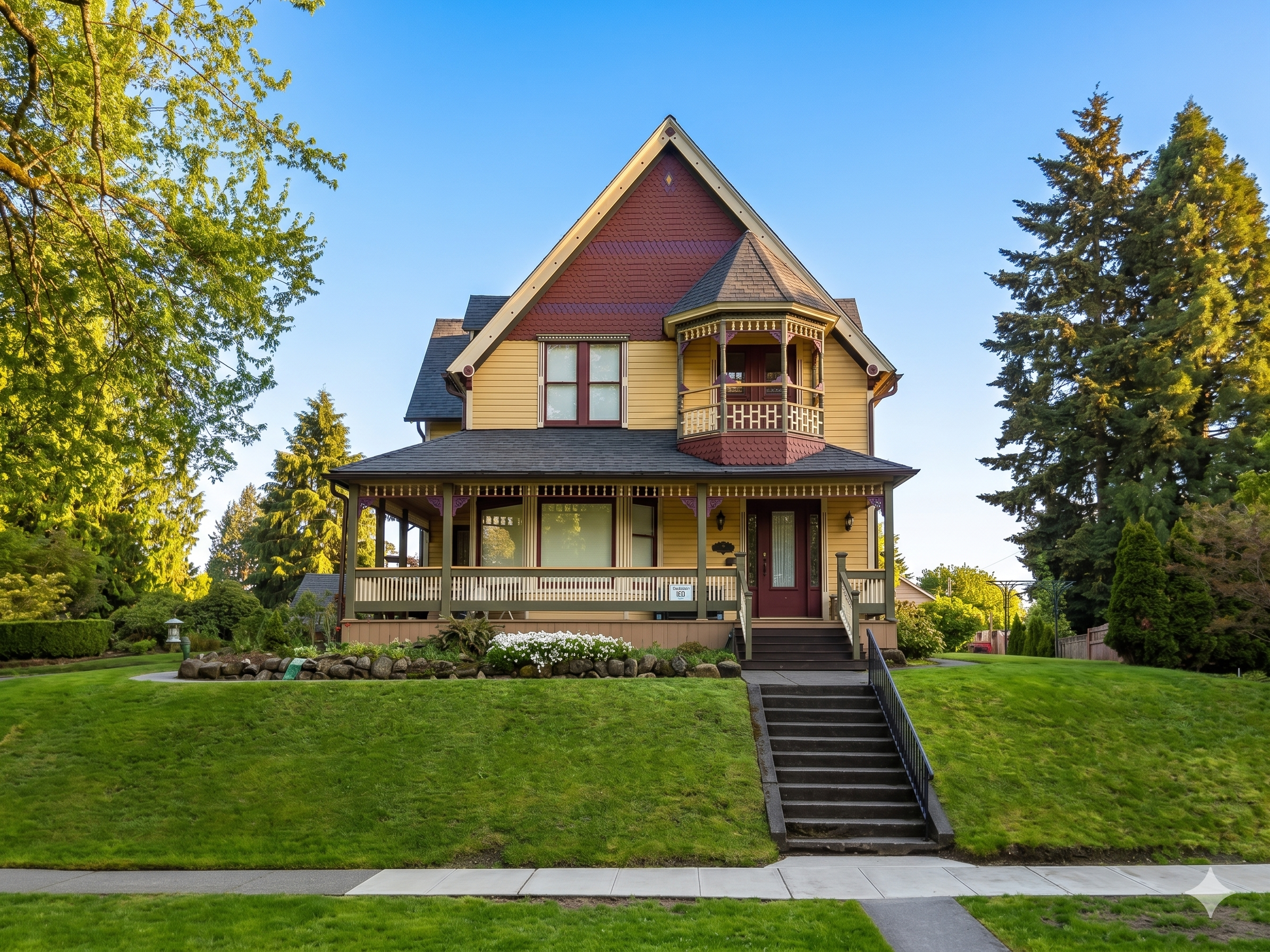
Buying a home in Snohomish WA requires more than watching new listings appear online. The Snohomish real estate market includes historic homes, acreage properties, established neighborhoods, and micro-markets that behave very differently from one another. Understanding those differences can significantly impact both your offer strategy and long-term investment.
If you’re exploring Snohomish homes for sale, here are the key things buyers should know before making a move.
1. Neighborhood Differences Matter More Than You Think
Snohomish is not one uniform market.
Downtown Snohomish homes often carry a pricing premium due to walkability, preserved historic character, and limited inventory. Buyers here are typically competing for charm, location, and long-term desirability.
In contrast, Three Lakes real estate appeals to buyers who want acreage, privacy, detached shops, and lake access. Property values here are influenced by land usability, septic systems, and improvements rather than walkability.
Established neighborhoods such as Dutch Hill, Lord Hill, Fobes Hill, and Blackman’s Lake each have their own pricing dynamics and buyer demand patterns. Some offer proximity to town with quieter streets, while others provide larger lots or hillside views.
Before purchasing, it’s important to evaluate how each neighborhood aligns with your lifestyle, commute, and long-term goals.
Explore:
• Snohomish homes for sale
• Downtown Snohomish homes
• Three Lakes real estate
2. Condition Is Critical in the Snohomish Market
Buyers in the Snohomish housing market are increasingly condition-sensitive.
Historic homes may include:
• Older electrical systems
• Foundation considerations
• Original windows
• Smaller closets and traditional floor plans
Acreage properties often involve:
• Septic systems
• Private wells
• Detached shops or outbuildings
• Land maintenance requirements
Inspection contingencies remain common in Snohomish. Buyers should carefully evaluate roof condition, septic documentation, drainage, and structural integrity before finalizing a purchase.
The right home is not just about charm or acreage. It’s about understanding long-term maintenance and realistic ownership costs.
3. Pricing Strategy Has Shifted
The Snohomish real estate market continues to show strength, but buyers are paying closer attention to affordability.
Interest rates influence monthly payments, and buyers are more analytical than during peak frenzy years. Well-priced homes still attract strong interest, especially in Downtown Snohomish. Overpriced homes, however, tend to sit longer.
In areas like Three Lakes, comparable sales can be difficult to find because each property is unique. Land usability, shop quality, and improvements often impact perceived value more than simple square footage.
Understanding how pricing psychology works within each Snohomish micro-market is critical when writing an offer.
4. Long-Term Value in Snohomish
Many homeowners in Snohomish settle long term. Limited turnover in desirable neighborhoods contributes to steady demand and historically stable values.
Whether you are purchasing a historic home near First Street, an acreage property in Three Lakes, or a residence in Dutch Hill or Blackman’s Lake, thinking long term often leads to the strongest outcomes.
Snohomish continues to attract buyers who value small-town character, community feel, and proximity to larger employment centers.
Final Thoughts
Buying a home in Snohomish WA is not just about finding a listing. It’s about understanding neighborhood dynamics, inspection realities, pricing strategy, and long-term positioning.
If you’re evaluating Snohomish homes for sale, working with a Snohomish Realtor who understands Downtown Snohomish, Three Lakes, and the surrounding neighborhoods can help you move forward with clarity and confidence.
Reach out anytime to discuss your goals or review current opportunities in the Snohomish real estate market.